A fuse that blows twice is not a fuse problem. It is a short you have not found yet.
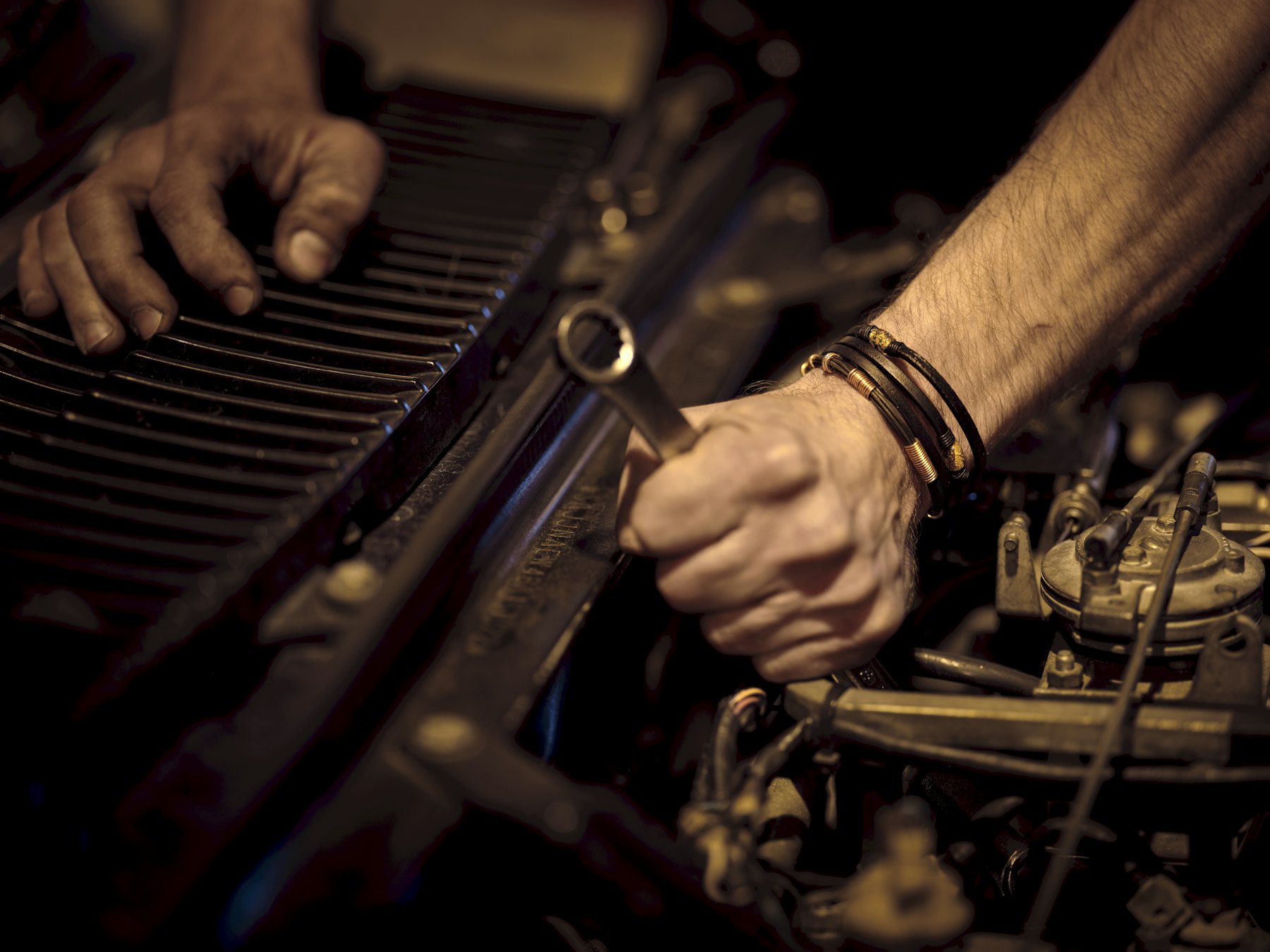
We repair the wire itself: chafed harnesses, chewed insulation, cooked sections near the exhaust and connectors that crumble when you touch them. Soldered joints, adhesive lined heat shrink and the harness put back where it was meant to run.
- Open 24 hours, seven days
- No hourly minimum
- Repairs sealed against weather
- Cars, trucks, trailers and equipment
Wire does not fail in the middle of a straight run
It fails where something happens to it. Cross a bracket and the harness gets a rub point that works through the loom, then the insulation, then the copper. Route it near a manifold and the jacket goes hard and brittle until it cracks off in flakes. Run it through a firewall grommet that someone left out and the sheet metal edge does the cutting for you. Every repair on this page starts by finding the spot where the wire had a reason to give up.
That is why we do not just splice the break and leave. A wire that chafed through on a bracket will chafe through again in the same place if the repair goes back into the same position without protection. Fixing it properly means the joint, the insulation, the loom and the routing, and taking the extra ten minutes to zip tie it away from whatever cut it the first time.
What gets repaired mostChafe points at brackets and firewall passes, rodent damage, heat cracked insulation, corroded connector pins, trailer plugs and cable ends at the battery.
What you payWe tell you what the job runs before the truck leaves, and short repairs stay short jobs because there is no minimum to clear.
How we join wireSolder and adhesive lined heat shrink on anything exposed to weather or movement, correct gauge, correct terminals, sealed and supported.
Rodents are not a rare excuse, they are a regular Tuesday
Any vehicle that sits gets visitors. Seasonal trucks, second cars, trailers parked behind a shop, tractors between seasons, delivery vans idle over a long weekend. Mice and rats climb into the engine bay because it is warm and sheltered, and then they chew. Soy based insulation in a lot of modern harnesses does nothing to discourage this.
The damage has a signature. Several wires opened in one small area rather than a single clean break, bare copper showing in short bites, nesting material packed on top of the intake or in the airbox, and often a string of unrelated faults at once because a rodent does not care which circuit it is standing on. Sometimes a chewed wire shorts to the block and takes a fuse out immediately. Sometimes it simply thins the insulation and waits for the first rainstorm.
Repairing it is careful, slow work. Every damaged conductor gets identified against the diagram, cut back to good copper, joined at staggered positions so the repaired bundle does not turn into a lump, then sealed and reloomed. Guessing which wire went where is how a repaired harness comes back worse than it started.
Tape is a way of hiding a repair. Solder and shrink is a way of finishing one.
Patrick Freeman, owner
Heat, movement and water finish what a bad repair started
Three things kill automotive wiring, and a proper repair has to answer all three. Heat comes from exhaust components and hard working engine bays, and it bakes the plasticizer out of insulation until it goes stiff and splits. Movement comes from suspension travel, engine rock and door hinges, and it work hardens copper until a conductor snaps inside insulation that still looks perfect. Water comes from road spray, pressure washing and weather, and it wicks along inside a wire from any opening, corroding the strands under the jacket where nobody can see it.
That last one is the reason we seal joints instead of taping them. A crimp and tape repair on a frame rail will pass a test the day it is made. Then water wicks in, the strands green up, resistance climbs, and six months later a circuit that tests fine at rest browns out under load. The vehicle gets a new sensor it did not need, because the real fault is a bad repair nobody thinks to suspect.
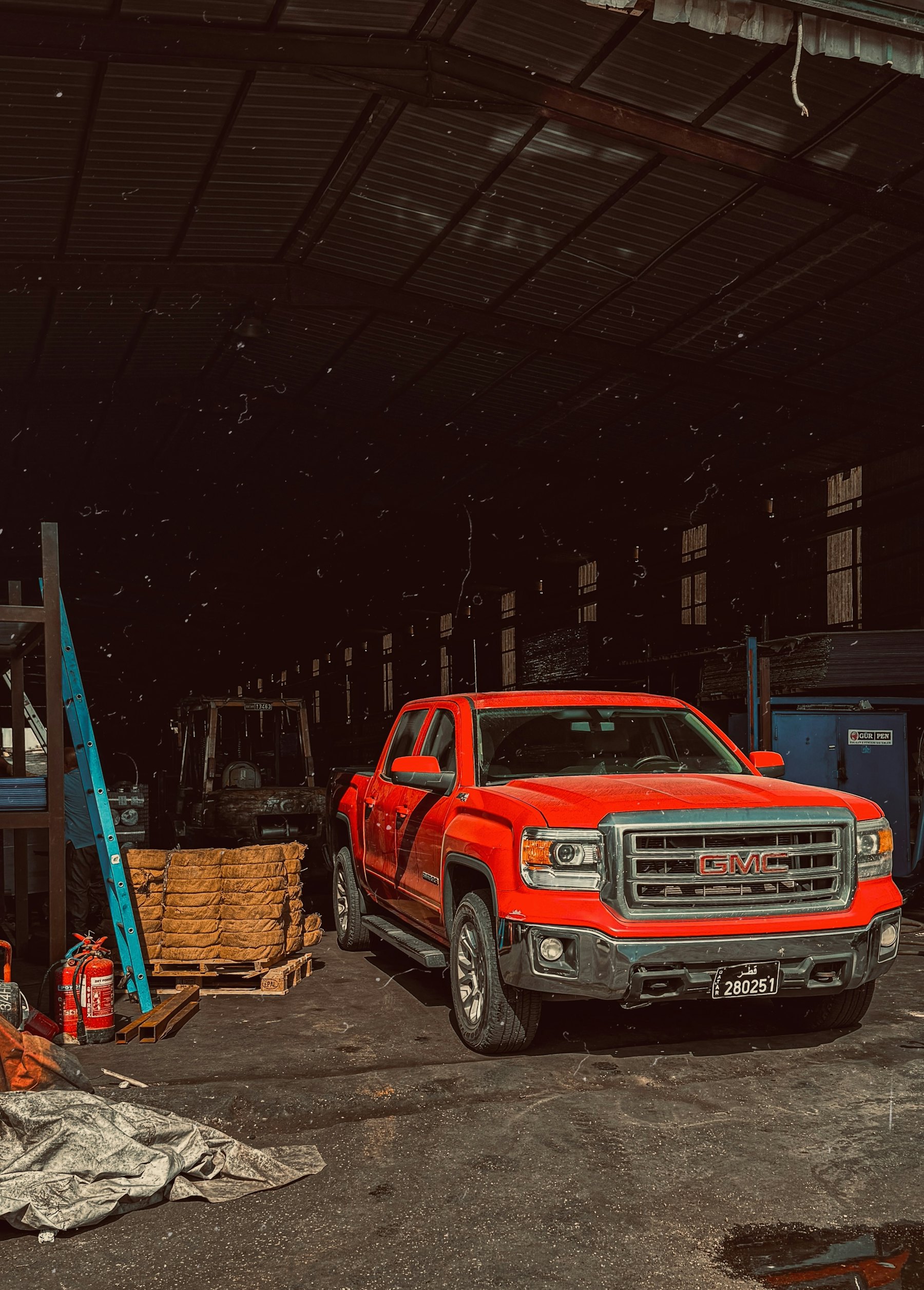
Adhesive lined heat shrink solves it cheaply. The adhesive melts and flows into the joint, then sets as a waterproof plug that also takes strain off the solder. It costs a few extra minutes and it is the difference between a repair that outlives the vehicle and one that comes back next winter. See the kind of work the truck turns up for.
Work that sits either side of a wiring repair
Finding the damage and repairing it are two different jobs. Sometimes you need both, sometimes the fault is a component at the end of a perfectly good wire.
Vehicle electrical diagnostics
When you know something is wrong but not where, this is the trace that finds the point before anything gets cut.
Battery cable replacement
Heavy cable, corroded lugs and cooked ends, which carry the most current and fail more often than the batteries they connect.
Trailer maintenance
Trailer cable, plugs and lighting live outdoors on the road surface, and they take the worst of the water and salt.
Starter replacement
A starter that clicks is often a cable or a solenoid feed rather than the starter, so the wire gets checked before the part.
Farm equipment electrical repair
Machinery that sits through the off season is exactly what rodents look for, and harvest is the worst time to discover it.
Industrial electrical repair
Plant machinery with vibration, heat and wash down exposure, where sealed joints matter more than anywhere else.
What gets asked about harness work
Most calls start with one of these. Ring the number if yours is not here and you will get a straight answer.
My fuse keeps blowing. Can I just fit a bigger one?
Please do not. The fuse is sized to protect the wire behind it, so a bigger fuse simply moves the failure point from a part you can replace in ten seconds to a harness buried in the vehicle, and that is how electrical fires start. A fuse that blows repeatedly is telling you a conductor is touching metal or a component has shorted internally. We find which, repair it, and put the correct rating back in.
Something chewed my wiring. Can that be repaired or does the harness need replacing?
In most cases it is repaired rather than replaced. We identify every damaged conductor against the diagram, cut each back to clean copper, join them at staggered points so the bundle stays flexible, then seal and reloom the section. Full harness replacement is a last resort for damage so extensive that repairing it would take longer than fitting a new one, and it is rarely necessary.
Why solder? A crimp connector is faster.
Faster on the day, and slower over the life of the vehicle. An uninsulated barrel crimp squeezed with the wrong tool holds mechanically but lets water in, and the strands corrode inside the joint where you cannot see them. Resistance climbs quietly until the circuit misbehaves under load. Solder plus adhesive lined heat shrink gives a joint that is sealed, supported and not going to come back as a mystery fault later.
The lights on my trailer work sometimes. Is that the trailer or the truck?
It can be either, and testing settles it quickly. We check what the truck socket is delivering on each pin, then check the trailer side separately. Trailer wiring lives closer to the road than anything else on a rig, so corroded plug pins, cracked cable and grounds rusted to the frame are the usual answers. Intermittent trailer lights are also the kind of fault that gets noticed at a roadside inspection.
Can you repair wiring outside in bad weather?
Usually yes, and we carry what makes that possible. The concern with weather is getting moisture into a joint you are about to seal, so we shelter the work area, keep the section warm and dry while it is open, and seal as we go rather than leaving anything open. If conditions genuinely cannot support a proper repair we will say so and make the vehicle safe rather than doing work that will fail.
Somebody already tried to fix this. Will you work on their repair?
Often that is the first thing we undo. Twisted wires under tape, a household connector in an engine bay, an unfused power tap off the ignition and mismatched gauge are all common, and any of them can be the fault you are chasing. We cut out what was done badly, redo the joint properly, and fuse anything that was drawing current without protection.
Bring us the wire, not a guess.
If a fuse keeps letting go, if something has been chewing under your hood, or if a previous repair is coming apart, tell us what the vehicle is and what it is doing. You get a number and a time before we set off, and the repair gets sealed properly so nobody is back here in six months.
HoursMonday to Sunday, 24 hours
Based inAmerican Canyon, CA
Start hereElectrical diagnostics · Battery cables · Contact