
It will not start. The useful question is what it does instead.
Cranking without firing, one click and silence, or a dashboard that goes dark when you turn the key are three completely different faults. We show up with a scan tool, a meter and a fuel pressure gauge and find out which one you have before anybody buys a part.
- Open 24 hours, seven days
- No hourly minimum
- Diagnosis before parts
- Gas and diesel, light and heavy

Three symptoms, three different trucks full of causes
Nothing at all, where the key turns and the dash barely lights, points at power. A dead or disconnected battery, a corroded ground, a failed ignition switch, a security system that has decided the key is not the key. None of that involves the engine itself, which is why throwing a starter at it is an expensive way to be wrong.
One loud click and then silence usually means the battery has enough left to pull the starter solenoid in but not enough to spin the motor, or the starter itself has a dead spot. A rapid machine gun clicking is almost always low voltage rather than a bad starter. Those two sound similar over the phone and behave completely differently once a meter is on them.
Cranking normally but never catching is the interesting one, because the electrical system has already proved it works. Now the engine is missing fuel, spark or compression, and there are ways to check each of those at the roadside in a few minutes each. That is the case where arriving with test equipment instead of a box of parts saves real money.
Worth telling us on the phoneWhether the dash lights stay bright while cranking, whether it ever caught and died, what you were doing when it quit, and whether it has done this before.
How the charge worksYou are told what the visit runs before we head out, and because there is no minimum to clear, a fifteen minute answer is billed like a fifteen minute answer.
CoverageNapa and Solano first, plus Sonoma, Marin, Contra Costa and Alameda when the call makes sense. See where we run.
Fuel, spark, compression, or a connection
An engine needs air, fuel, spark and compression at the right moment. A no-start means one of those is missing, and the whole trade of diagnosis is eliminating them in the cheapest order rather than the order that happens to be convenient.
Codes come first, because the computer often already knows. A crankshaft position sensor that has failed will say so, and a car that cannot see the crank will not fire no matter how healthy the fuel system is. From there it is fuel pressure at the rail, spark at a plug, and if both of those are present and it still will not run, a compression check tells you whether a timing belt or chain has skipped.
The unglamorous answer, far more often than anyone expects, is a connection. A green ground strap, a chewed wire behind a fender liner, a relay that has stopped closing, a fuse nobody looked at. Those cost nothing to fix and are invisible unless somebody is actually looking, which is the difference between a diagnosis and a guess.
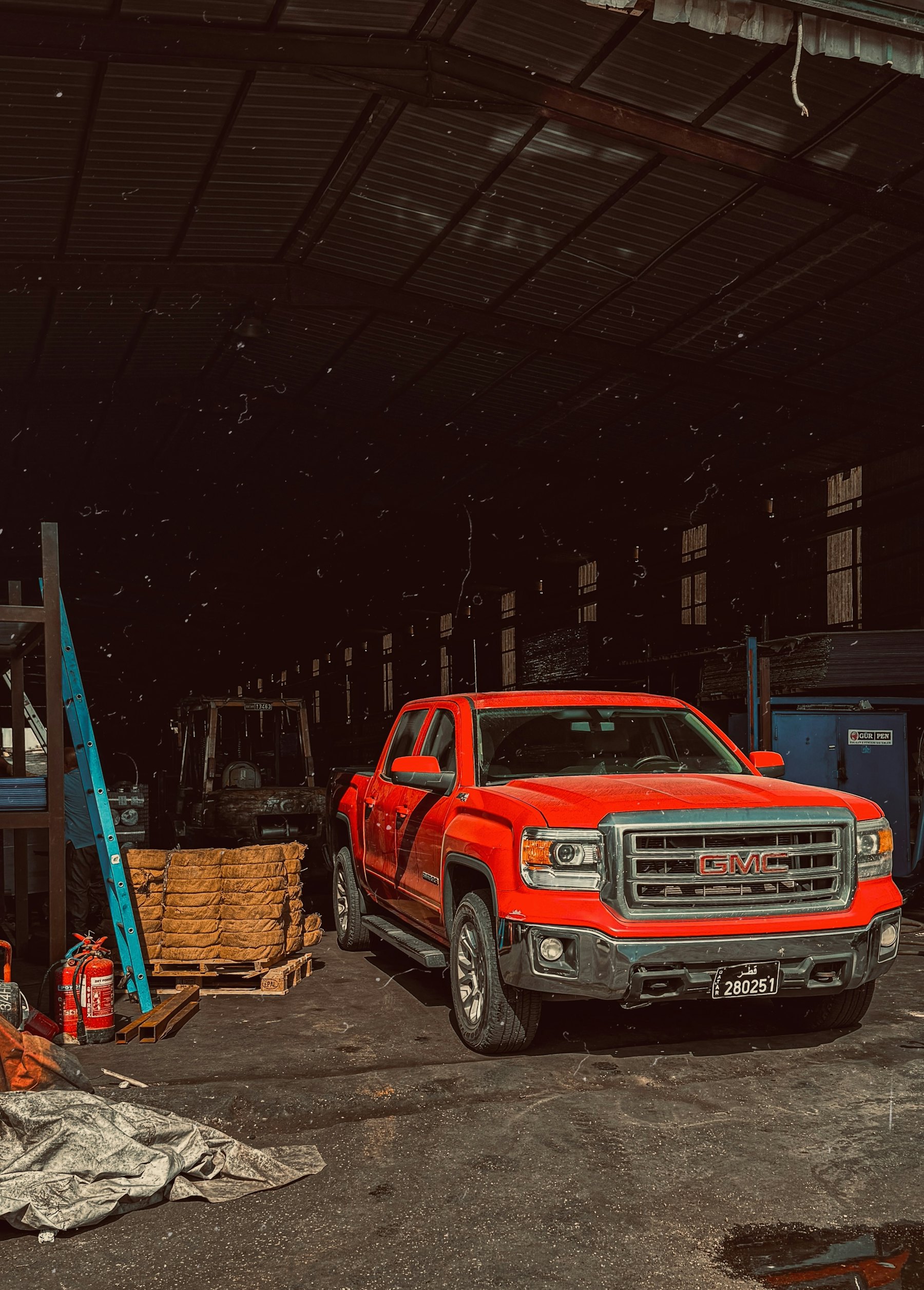
Where a no-start call usually ends up
Diagnosis is the first half. Most of these repairs we can carry out on the same visit, which is why the diagnosis is worth doing properly.
Mobile battery replacement
The most common ending. Tested under load first so nobody buys a battery that was never the problem.
Alternator replacement
When the charging system stopped working days ago and the battery has been quietly running the whole car since.
Starter replacement
A dead spot in the motor, a failed solenoid, or a starter that only works when the engine is cold.
Fuel system repair
No pressure at the rail, a pump that has stopped priming, or a filter that has finally packed up.
Jump start service
When you need it running now and answers after. We test while it is running so the next step is clear.
Mobile diagnostics
Warning lights, rough running and intermittent faults on a vehicle that does still start.

A diesel that will not light is its own problem
There is no spark to check. What replaces it is heat, which means glow plugs, a glow plug controller and the relay that feeds them. On a cold morning in Solano a single failed plug can be enough to stop a tired engine from catching, and the fault is often the controller rather than the plugs themselves.
The other classic is air in the fuel. A weeping fitting, a cracked primer, a filter housing that was not sealed after the last change, and the system loses its prime overnight. The truck cranks strongly, smells of diesel and never fires. Bleeding it through and finding where the air is entering is roadside work, and doing that at a shipper beats towing a tractor.
Then there is fuel that has gelled, water in the separator, or a lift pump that has given up. All of them look identical from the cab. We carry what it takes to test rail pressure and check the glow circuit, so the answer comes from a reading. If you want a sense of the kind of equipment we turn out for, the gallery is worth a look.
What arrives with us on a no-start
The tools are the service. Anyone can carry parts, and a parts cannon is exactly how people end up paying for a starter, a battery and a fuel pump to fix one relay.
- A scan tool that reads more than engine codesBody, chassis and immobilizer modules matter here. A car that will not start because it does not recognize its key throws nothing under a basic code reader.
- A digital multimeter and a voltage drop testThe single most useful test on the truck. It finds the corroded ground and the tired cable that look perfect and pass current until the moment a starter asks for real amperage.
- Fuel pressure gauge and a spark testerTen minutes to prove whether the engine is getting the two things it needs. Cheap to check, expensive to assume.
- A compression gaugeFor the engine that cranks fast, has fuel and spark and still will not run. Usually the answer nobody wants, but better found in the driveway than after a parts bill.
- Power and jump capabilitySo a vehicle that only needs voltage to run again is not sitting waiting while we confirm what is wrong with it.
He came out for an emergency oil change before the flash flooding hit.
Haley Macke, Google review
What people ask about a car that will not start
If yours is not answered here, phoning is quicker. There is always somebody on the other end of it.
What is the difference between a no-start and a car that cranks but will not run?
They are separate faults with separate causes. A true no-start means the engine is not turning over at all, which points at battery, cables, starter, ignition switch or security. Cranking without catching means the electrical side works and the engine is short of fuel, spark or compression. Knowing which one you have tells us what to test first.
Can you actually diagnose this at my house or does it need a shop?
Most of it is roadside work. A scan tool, a multimeter, a fuel pressure gauge and a spark tester cover the large majority of no-start causes, and none of them need a lift. What genuinely needs a shop is internal engine work, a skipped timing chain on some designs, or a transmission fault, and we will tell you plainly when you are in that territory.
Is the diagnosis charged separately from the repair?
You hear one number before we set off that covers coming out and finding the fault, and if the repair can happen on the same visit you hear that figure before we start on it. There is no minimum to clear, so being quick about it does not cost you more.
My truck is a diesel and it just cranks. What is that usually?
On a cold morning it is commonly the glow plug circuit, and often the controller or relay rather than the plugs. The other frequent cause is air in the fuel from a weeping fitting or a filter housing that lost its seal, which makes the engine crank strongly and never light. Both are testable where the truck is parked.
It started fine yesterday. Why now?
That pattern usually means something that was marginal finally crossed a line. A battery that was weak, a starter with a worn spot, a ground connection that corroded a little further, or a fuel pump that had been getting noisy. Intermittent faults are worth catching while the vehicle is actually failing, which is one reason we answer the phone at odd hours.
Do you work on commercial trucks and equipment too?
Yes. Tractors, box trucks, trailers and yard equipment are a large part of what we do, and a unit that will not start at a shipper or a weigh station is exactly the call we are built for. We come to where it is sitting rather than having it dragged somewhere first.
Tell us what it does when you turn the key.
That one sentence narrows the fault more than anything else you can give us, and it costs nothing to say. One phone number reaches the mechanic himself, whatever the hour. You will know what the visit runs and roughly how long we will be before you hang up.