The inspection comes to the yard. Nothing has to be driven anywhere.
California BIT and federal FMCSA vehicle inspections, performed where your trucks and trailers are parked. You end up holding the inspection documentation for each unit, and most minor faults get corrected during the same visit.
- Open 24 hours, seven days
- No hourly minimum
- At your yard or the shipper
- Trucks, trailers and towed equipment

What these two things actually are
BIT stands for Basic Inspection of Terminals, the California Highway Patrol program that covers motor carriers operating in this state. Part of what it looks at is whether the vehicles in a fleet are being inspected on a regular schedule and whether there is paperwork showing it. FMCSA is the federal side, and its rules include the periodic inspection every commercial vehicle is expected to have on a recurring basis.
Both come down to the same practical question for an owner: can you show that each unit was inspected, by whom, when, and what was found. That is a documentation problem as much as a mechanical one, and it is the part small carriers most often get caught out by. The trucks are usually fine. The folder is thin.
What we do is the inspection itself, against the applicable inspection criteria, on your vehicles, at your location. You receive the completed inspection documentation for each unit for your own records. We are a mobile repair outfit performing inspections and handing over paperwork. We are not the CHP, we do not issue certifications or ratings, and nobody can promise you an outcome at a terminal audit. What we can do is make sure the vehicles have genuinely been gone through and that you have the records in hand.
Who needs thisMotor carriers operating commercial vehicles in California, including small outfits running a couple of trucks who are often surprised the requirements apply to them at all.
CostYou know what it’ll cost before the truck leaves, and with no hourly minimum a short inspection is not padded out to fill an hour.
Where we comeYour terminal, your yard, or the shipper where the unit happens to be sitting. Tell us where the trucks are and we will work out the visit.
What gets gone through on each unit
The inspection follows the applicable criteria for the vehicle rather than a list we made up. Broadly, it covers the systems that put a truck out of service when they are wrong.
- Brake systemLinings and drums or pads and rotors, pushrod stroke and adjustment, air system for leaks and build rate, low pressure warning, parking brake, and the trailer side including the emergency system.
- Steering and suspensionSteering box, linkage and play, kingpins, springs and hangers, U-bolts, shocks, and air suspension components where fitted.
- Tires, wheels and rimsTread depth at each position, sidewall and casing condition, inflation, cracked or welded rims, missing or loose fasteners, and wheel seals.
- Lighting and electricalEvery required lamp, reflectors and conspicuity marking, wiring condition, and the trailer cord and connections that fail more often than anything else.
- Coupling devices and frameFifth wheel, kingpin, mounting and locking, safety devices on towed equipment, plus frame, crossmembers and cracks or corrosion that matter structurally.
- Exhaust, fuel and cabExhaust leaks and mounting, fuel tank mounting and lines, plus the cab items: wipers, mirrors, horn, seat belts, windshield condition and the emergency equipment aboard.
Faults found are usually faults fixed the same day
This is the practical advantage of an inspection done by somebody who repairs vehicles for a living, in a truck carrying parts. A great deal of what turns up is small: a burned out marker lamp, a brake out of adjustment, a chafed wire in the trailer cord, a loose clamp, a seal weeping, a mirror that will not stay put.
Sent elsewhere, each of those becomes a separate appointment on a separate day, with the unit traveling to reach it. Found during a visit at your yard, most are corrected before we leave, and the vehicle goes back into service already right rather than with a list of things to arrange.
Bigger findings are a different conversation. Anything structural, or a repair needing parts we do not carry, gets explained with what we measured, and you hear a price before anything proceeds. Some of it we can return and do at your yard. Occasionally something genuinely belongs in a shop with a lift, and we say that plainly instead of starting work we cannot finish properly.
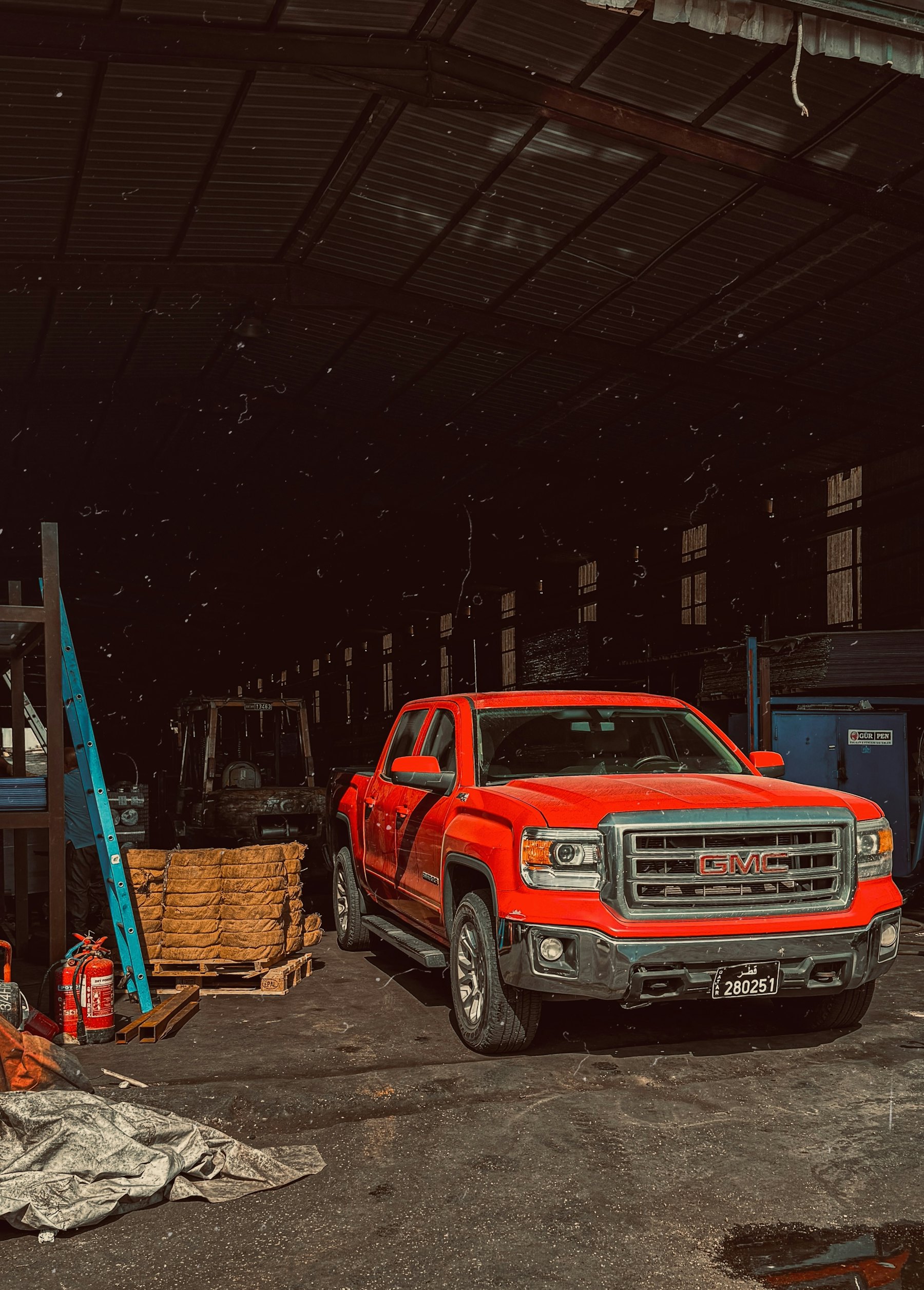
We inspect the vehicle and hand you the paperwork. What we will never do is tell you a truck is fine when the measurements say otherwise.
Freeman Roadside Repair
Related work carriers usually book alongside
An inspection tends to generate a short list. These are the pages covering what is normally on it.
Air brake repair
Adjustment, chambers and slack adjusters. The system that produces more out of service findings than any other.
Trailer maintenance
Lights, brakes, bearings and coupling on the half of the rig that gets inspected just as closely.
Fleet inspections
Your own preventive rhythm between the statutory ones, which is how units stay ready rather than becoming ready.
Commercial truck maintenance
The scheduled service side for heavy units, done at your yard on the same sort of visit.
Fleet maintenance reporting
Pulling the records together so the folder is complete before anybody asks to see it.
Mobile diesel mechanic
For the engine side findings, at the terminal, on trucks that should not be making the trip to a shop.
What carriers ask about inspections
Call if yours is not answered here. A real person picks up, at any hour of the day.
Can you come to our terminal instead of us sending trucks out?
That is the whole point of how we work. We come to your yard, your terminal, or the shipper where a unit is sitting, and inspect it there. Nothing has to be driven to a facility and no driver has to spend a shift waiting. For a carrier with several units in one place, doing them in a single visit is far less disruptive than sending them out one at a time.
Do you issue a certification or a rating?
No. We perform the inspection and give you the completed documentation for each vehicle to keep in your records. Ratings and enforcement decisions belong to the agencies, not to a repair company, and anybody promising you a guaranteed outcome is overselling. What we provide is a thorough inspection and the paperwork showing it was done.
Can you fix problems you find during the inspection?
Usually yes, for the smaller ones. Lamps, brake adjustment, wiring, clamps, seals and similar items are common findings and the truck carries parts for most of them, so they get corrected during the same visit. Larger repairs get priced first and scheduled, and if something truly needs a shop with a lift we tell you rather than attempting it in your yard.
We only run two trucks. Does any of this apply to us?
Very often it does, and small carriers are exactly who gets caught out. Whether these requirements reach your operation depends on your vehicles, weights and what you haul, so the honest answer is that you should confirm your obligations for your own operation. What we can tell you is that having each unit properly inspected with paperwork to show for it is worth doing regardless of how few trucks are involved.
How long does a single vehicle take?
Budget a couple of hours for a tractor or straight truck and less for a trailer, assuming nothing significant needs correcting along the way. Fixing faults as we find them adds time, which is normally time well spent because the alternative is a second visit. You get a realistic window when you call, based on what you actually run.
Can you work at night or on a weekend?
Yes, and for a lot of carriers that is the only sensible time, because it is when the equipment is finally all in one place. We are available around the clock, seven days, and the truck carries its own lighting and power so working after dark in a yard is normal rather than a complication.
Book the yard, not a shop appointment.
Tell us how many units, what they are and where they park, and we will tell you how long a visit takes and what it costs before you commit. Nights and weekends are normal for this work, not an exception.
HoursMonday to Sunday, 24 hours
Based inAmerican Canyon, CA
More on fleetsUptime management · Yard servicing · See the work