
Most of a dozer’s value rides underneath it.
Track frames, rollers, idlers, sprockets and final drives account for the bulk of what a bulldozer costs to own. Freeman Roadside Repair works on all of it where the machine sits, along with the blade and ripper circuits that actually move dirt.
- Open 24 hours, seven days
- No hourly minimum
- What it’ll cost before the truck leaves
- Small dozers through production iron

Buying a dozer is buying an undercarriage
Owners tend to shop dozers on horsepower and blade width. Then they spend the next several thousand hours paying for the part nobody asked about, which is everything between the track frame and the ground. Chains, links, pins, bushings, rollers, idlers, sprockets and the final drives that spin the whole loop. That is where the operating money goes, and it goes there whether or not anybody is watching it.
What makes the undercarriage different from the rest of the machine is that it wears as one connected system. A sprocket does not go bad on its own. It goes bad because the bushings turned, or the chain stretched, or the tension sat wrong for a few hundred hours, and now the tooth profile and the pitch no longer agree. Replace one piece in isolation and the mismatched parts around it chew the new piece up early.
When we look at a dozer undercarriage we measure the whole loop rather than condemning the loudest component. Pin and bushing wear, link height, rail width, roller flange condition, idler tread, sprocket tooth shape and the tension itself all get read together. That is what tells you whether you are looking at an adjustment, one component, or a rebuild that is better planned for than stumbled into.
Small dozersVineyard access roads, pads, ranch work and cleanup. Often lower hours, often run by whoever is free that day, and usually overdue for grease.
Production machinesGrading, mass excavation and ripping. High hours, hard duty, and a failure that idles scrapers and trucks along with the dozer.
What the job runsYou hear one figure covering the trip out and the work, with no hourly minimum standing in the way of a short visit. Tell us the model and hour count.
Tension is the cheapest repair on the machine
Track tension is set with a grease gun and a tape, costs almost nothing, and decides more about undercarriage life than any other single thing an owner controls. A chain run tight loads every pin, bushing, roller and sprocket tooth in the loop continuously. It does not fail dramatically. It just wears everything at once, faster, and the bill arrives as a rebuild that came due hundreds of hours early.
Run loose and the failure is the opposite kind. The chain whips, climbs the sprocket on a hard turn, and eventually comes off the idler entirely, usually in a place that makes recovery awkward. Wet clay packed into the frame pushes a correctly set chain toward the tight end of that range, which is why tension is a weekly reading here from the first rain through spring.
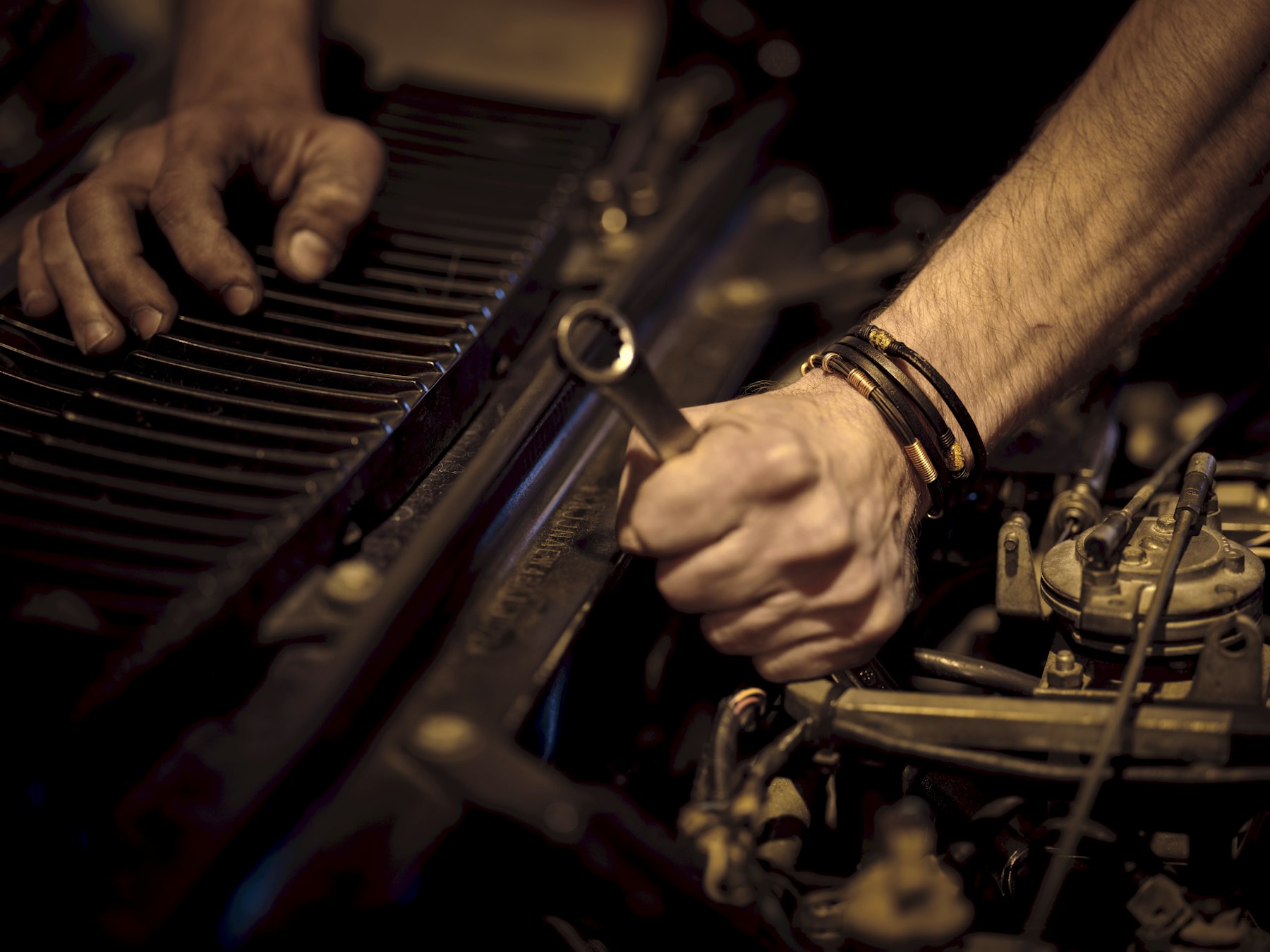
A dozer tells you it is wearing out long before it stops. The owners who listen keep their machines twice as long.
Patrick Freeman, owner
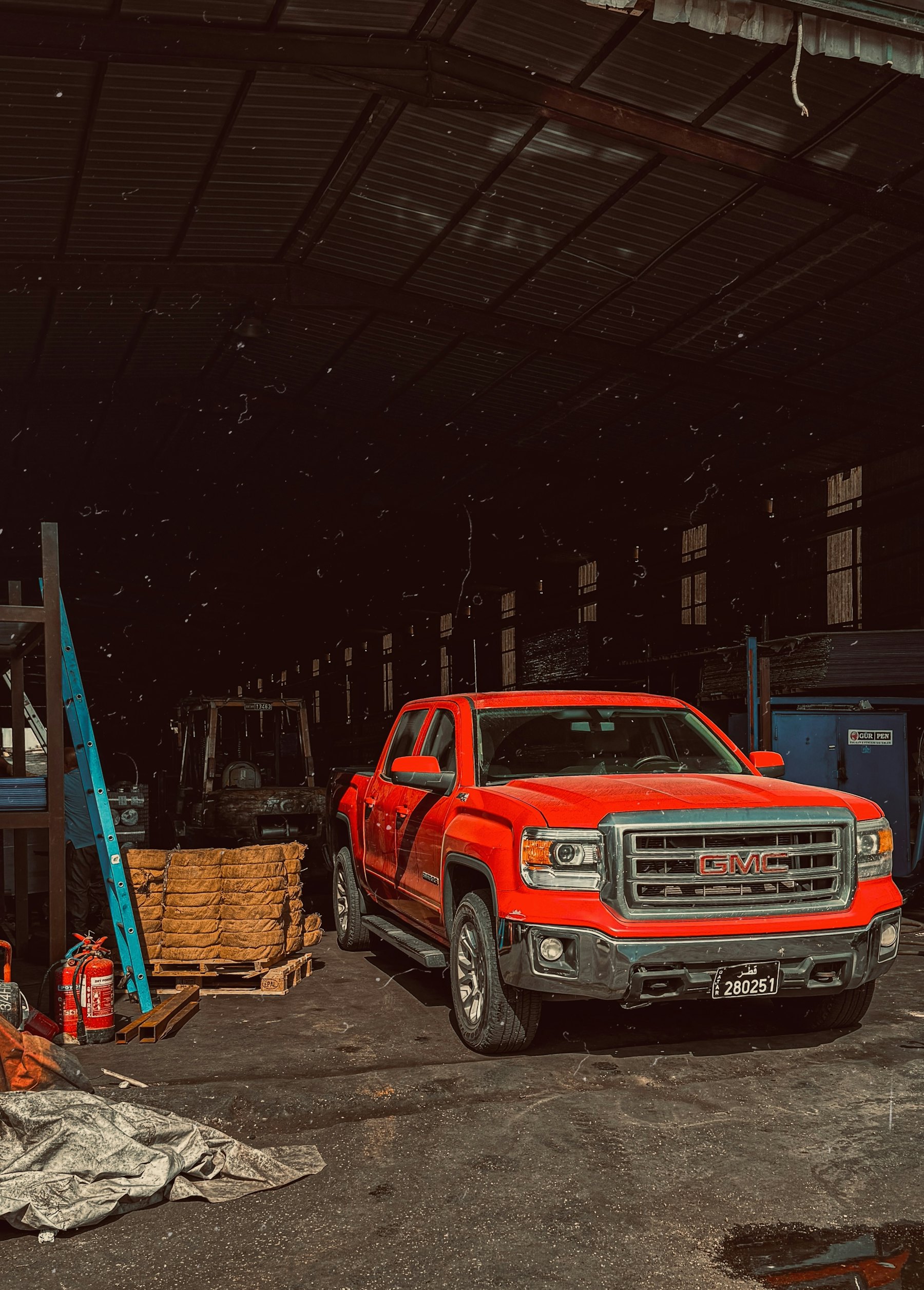
Where the machine is parked changes what we can do
A dozer is rarely sitting somewhere convenient when it quits. It is in the middle of a cut, on a fill that has not been compacted, or partway up a slope it was pushing. Every one of those changes what is safe to take apart, because the moment a track comes off or a final drive gets opened, the machine stops being able to hold itself.
Fill is the case people take least seriously. Loose material under a jack will let it walk or sink under load, and a dozer settling while somebody is inside the track frame is not a risk worth taking to save a tow. On loose ground we crib properly or ask for the machine to be walked onto something solid. On a slope, get it level before anybody picks up a tool.
None of that means the work belongs in a shop. Track pin and bushing service, roller and idler replacement, seal work, blade and ripper hydraulics and steering complaints are all field jobs on solid level ground. What we will tell you honestly is when the site is the problem rather than the machine.
Dozer work that happens on site
Nearly all of it, given level ground and room to work. Internal engine and transmission repair are the exceptions, and we say so before a wrench comes out.
Undercarriage measurement and repair
The whole loop read together: link height, bushing turn, rail wear, roller flanges, idler tread and sprocket profile, then a plan you can schedule.
Final drives and steering
Leaks, drag, whine and a machine that pulls to one side. Oil sampled, drives isolated, and the failing side identified before parts get bought.
Blade and ripper hydraulics
Lift, tilt, angle and ripper circuits tested under load. Drifting blades, slow lifts and weak tilt traced to cylinder, valve or supply.
Hoses and lines in the field
Burst and chafed lines matched and made up on the truck, routed clear of the track frame, then bled and worked before we leave.
No starts and electrical faults
Dead machines, charging faults, chewed harness sections and controller codes traced rather than guessed at.
Pins, bushings and cracked steel
Worn blade pins, sloppy push arms and cracked mounts repaired with the welding gear that rides on the service truck.
What actually keeps a dozer out of a rebuild
The habits below are unglamorous and they are the whole difference between a machine that reaches its hours and one that does not.
- Read tension weekly, not yearlyIt moves with wear, temperature and whatever the tracks are packed with. Two minutes with a tape prevents most of what we get called for.
- Clean the track frames outPacked clay wedges the chain, holds moisture against the rails and quietly tightens a correctly set track. Especially through a wet Napa winter.
- Grease the blade and ripper pins on scheduleDry pins wallow their bushings out, the linkage goes sloppy, and a cheap grease interval turns into pin and bushing work.
- Watch which way the machine driftsA dozer that has started pulling is telling you about a clutch, a brake or a drive. Early it is a repair. Late it is two.
- Pull final drive oil at serviceGlitter means gear material is coming off. Finding it at an interval is planning. Finding it after a failure is a replacement.
- Note the day something changedThe date a noise started or a function got slow narrows a diagnosis faster than any tool on the truck.
Bulldozer questions worth answering up front
Machine down and losing a shift? Skip the reading and dial. A mechanic picks up, day or night.
Can you repair a dozer track without a shop?
Most track work is a field job. Pin and bushing service, roller and idler replacement, chain repair and tension correction all happen on site given level, solid ground and room to crib the machine safely. What we need from you is somewhere the jacks will not sink. If the dozer is sitting in soft fill or partway up a slope, walking it onto firm ground first turns a difficult job into a routine one.
How do I know if my undercarriage is due?
By measurement, not by looking at it. Link height, bushing wear, rail width, roller and idler tread and sprocket tooth shape each get compared against the wear limits for your model, which gives you a percentage worn rather than a guess. That matters because the components wear as one loop, and putting new parts against badly worn mating parts wastes them. You end up with a schedule instead of a surprise.
My blade sinks overnight. Is the cylinder bad?
Maybe, but that is not the only cause and it is worth proving before buying a cylinder. A blade that settles can be cylinder seals bypassing internally, or a control valve that is not holding, or a leak-down through a line fitting. Each behaves differently in a hold test with the circuit isolated. We test first because a cylinder and a valve are very different repairs in both cost and downtime.
The dozer has started pulling to one side. What is that?
Three likely causes, and they get separated by testing rather than by feel. A steering clutch that is slipping, a brake that is dragging, or a final drive with internal trouble will all make a machine track crooked. Temperature readings across the two sides after a working run tell us a lot quickly, since a dragging brake or a failing drive runs hot. Driving it that way for weeks usually turns one repair into several.
Do you work on rented dozers?
Yes, and rental units are a regular call. We repair what stopped the machine and document what was found, which is what the rental company will want when the unit goes back. If a fault turns out to be something the rental yard should be handling under their own terms, we will say that plainly instead of doing work you should not be paying for.
How soon can somebody get out to a stopped dozer?
That depends on where the job is and what is already in front of you, and the window you get on the phone will be the real one. Napa and Solano are the short runs. Sonoma, Contra Costa and Alameda take longer, and a Sonoma back road takes longer still. The arrival time and the price come in the same call, before anybody commits to anything.
What is the dozer doing?
Model, rough hours and the symptom gets us most of the way. Track off, blade weak, pulling sideways or dead quiet, each one points at different parts of the machine.
HoursMonday to Sunday, 24 hours
Based inAmerican Canyon, CA
Nearby pagesMaintenance intervals · Jobsite work · Gallery