
Fairfield’s diesel work happens where the truck stopped earning.
A rig that will not crank at the end of a run. A dash light that means the aftertreatment is done cooperating. A fuel symptom that has been getting worse for a week. We come to the truck from American Canyon, diagnose it where it sits, and tell you what the job runs before anything is opened.
- Open 24 hours, seven days
- No hourly minimum
- Class 8 trucks and trailers
- Farm and heavy equipment
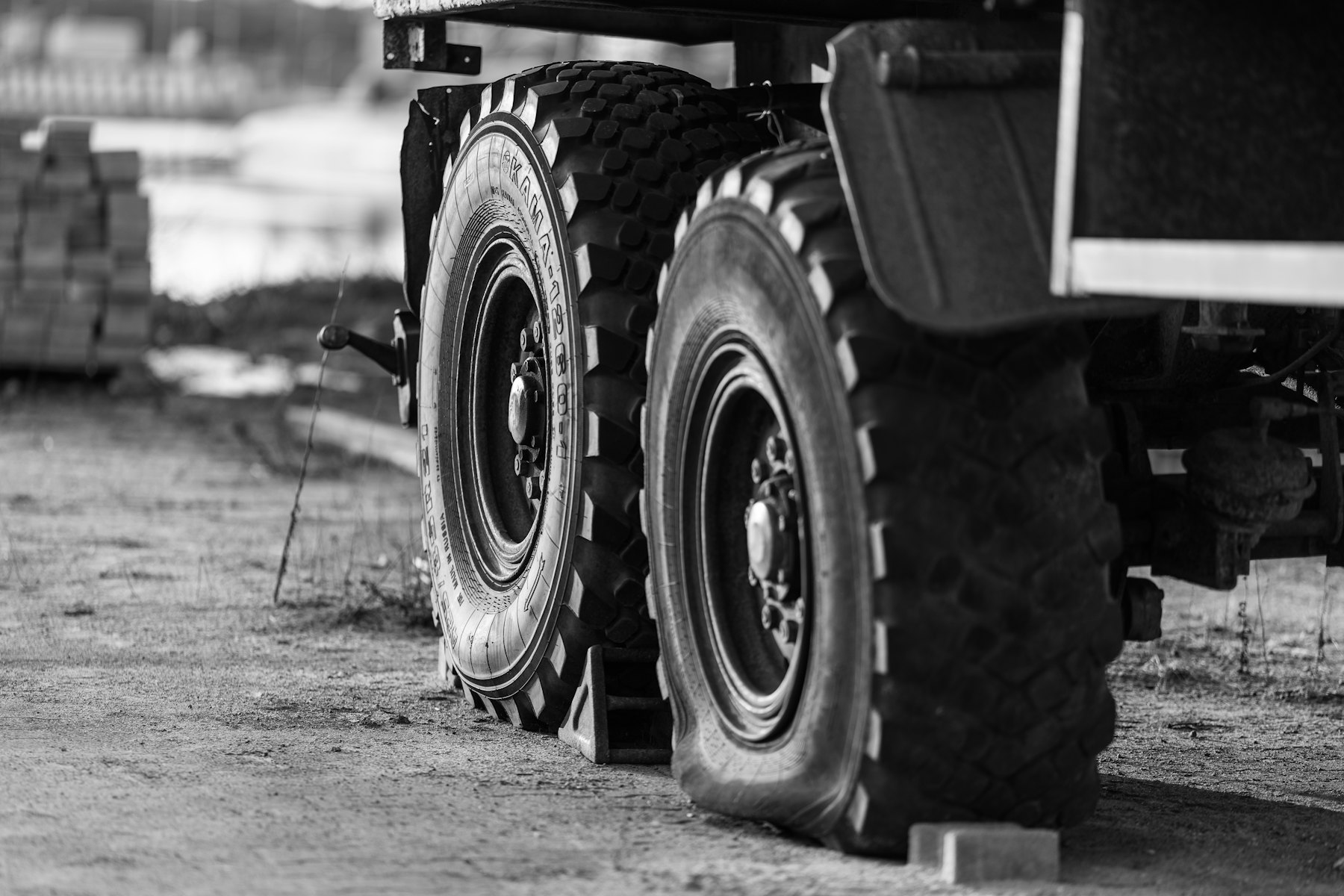
A parked truck is a truck that is not earning
This town sits on the I-80 freight corridor, which means the diesel work here is almost entirely about downtime rather than inconvenience. A commuter whose car quits loses an evening. An operator whose truck quits loses the load, the next booking, and whatever the customer on the other end thinks about reliability. That is the actual problem a mobile diesel mechanic solves: the gap between the fault happening and the wheels turning again, measured in hours rather than days of waiting for a shop bay.
Most of the commercial calls out of here are trucks and delivery vehicles that were working when the fault arrived, plus the yard equipment and farm machinery that sits at the ag and industrial edges of town. Air brake faults, electrical gremlins, no-starts and the failures that put a rig out of service until somebody with the right tools arrives. None of it is exotic. The hard part has never been the repair itself, it is getting a working mechanic to where the machine actually is.
Who callsOne-truck operators, small delivery fleets, yard and warehouse equipment, and the tractors and implements out toward the ag edges.
What comes inNo-starts, air brake faults, electrical trouble, aftertreatment warnings, fuel symptoms, hydraulics and overheating.
What you payWhat it’ll cost before the truck leaves, with no hourly minimum attached. Send the details if the vehicle is parked somewhere safe overnight.
Working out why it will not crank before anybody buys parts
- Cranks slowly, then not at allTwo batteries in series carrying a cold engine will mask a weak cell for months. The cheap test is a load check on both, because replacing one healthy battery alongside one dead one is a job you get to do twice.
- Cranks normally, never firesNow it is fuel or air, and the difference matters. Filters, lift pump, a line pulling air past a loose fitting, or a tank that has picked up water. The symptom narrows it fast if you measure instead of guessing.
- Dead silence at the keyUsually a connection rather than a component. Corroded grounds, a chafed harness, a starter relay or a solenoid. On a truck that has been working hard, vibration finds the weak joint eventually.
- Started yesterday, not todayThe most useful fact is what it did on the last run. A truck that lost power on a grade before it refused to start is telling you about fuel delivery, not about the starter.

The diesel jobs that get finished at the roadside
Most of this is doable where the truck is parked. The ones that are not become obvious within minutes of looking, and you hear about it then rather than three hours later.
Mobile diesel mechanic
The parent service. Diagnosis, repair and servicing for diesel trucks, fleet vehicles, farm machinery and heavy equipment, carried out on site.
Roadside assistance
For the moment the truck is stopped on a shoulder and the first priority is safety rather than diagnosis. Tires, jumps, fuel and fault finding.
Brake work
Air brake faults on commercial trucks and trailers, plus the pads and rotors on lighter fleet vehicles doing corridor mileage.
Aftertreatment faults
DEF system and DPF warnings read properly rather than cleared and hoped about. Sensors, dosing faults and regeneration problems.
Fuel systems
Filters, lift pumps, air in the lines, water in the tank, and the loss-of-power symptoms that show up before a no-start does.
Hydraulics and PTO
For the tractors, sprayers and implements out at the ag edges, diagnosed where the machine stands rather than after it has been trailered.

DEF and DPF lights halfway through a route
Nothing ruins a schedule faster than an aftertreatment warning lighting up with hours still to run. The problem is that these systems derate the engine on their own timetable, so a light that looks like a minor nuisance at Cordelia can turn into a truck crawling at a walking pace before the delivery is made. The decision you need is simple and it is also the one hardest to make from the driver’s seat: is this something that gets you home, or something that strands you in the dark on a freeway shoulder?
Reading the actual fault answers that. A dosing problem, a sensor that has failed, a regeneration that keeps aborting and a genuinely loaded filter all show the same warning and have completely different consequences. Some of them get sorted at the roadside and the truck finishes its route. Some mean the vehicle needs to come off the road before the derate makes the decision for you. Either way, clearing the code and hoping is the most expensive option on the table, because the fault is still there and now it has no warning attached.
How a fleet call runs from the phone to the wheels turning
Commercial work has a different shape from a dead commuter car. The vehicle is usually somewhere awkward, the clock is attached to money, and the person calling needs a decision rather than sympathy.
- What the truck did, not what the light saysDescribe the last run. Loss of power on a grade, a hard start that got worse over a week, a warning that came and went. That history is worth more than the code on the dash.
- A real window, based on the corridorFairfield is adjacent from American Canyon, but I-80 decides the actual timing at any given hour. You get the honest number rather than the one that sounds reassuring.
- Diagnosis before partsMeasuring first is what keeps an operator from buying the wrong component. On a diesel the cost of guessing is high enough that it is never the faster route.
- A price, then the workYou hear the figure before anything is opened, and that figure is what gets invoiced. Short jobs stay short on paper, because nothing here is billed by the hour.
- The honest verdict when a shop is neededSome failures need a bay, a lift or a day. Knowing that with certainty beats an afternoon of hopeful attempts at the edge of a freeway.
We’ve built our business around one simple promise: reliability when it matters most.
How the business was set up
Where the diesel calls come from
The freeway through town, the Cordelia junction, the yards and industrial blocks, Green Valley, and the farm ground at the edges. The Fairfield page covers the rest of the local work, and finished jobs are in the gallery.
What operators ask before they call it a day
Short answers. If the truck is already stopped, the phone is faster than reading.
Will you come out to a truck stopped on the corridor?
Yes, including the stretch of I-80 through town and the junction with I-680 at Cordelia. The first job on arrival is getting the vehicle and the people clear of live traffic, then the diagnosis starts. If the spot cannot be worked in safely you will be told that immediately rather than after an hour of trying.
Can you deal with a DEF or DPF warning mid-route?
That is a regular call. A dosing fault, a failed sensor, a regeneration that keeps aborting and a genuinely loaded filter all show similar warnings with very different consequences, so the fault gets read properly instead of cleared. Some of them end with the truck finishing its route, and you will know which you have before deciding anything.
My truck cranks but will not fire. Is that a tow?
Usually not. Cranking rules out most of the electrical side and points at fuel or air, which means filters, a lift pump, air drawn past a fitting or water in the tank. Those are roadside jobs on most vehicles. Describe what it did on the last run before it refused, because that history narrows it down faster than anything on the dash.
Do you work on trailers as well as the tractor?
Yes. Air brake faults, lights, bearings and tires on trailers are all part of the normal work, and a rig is only out of service until the whole thing is roadworthy. Farm implements and yard equipment get the same treatment, diagnosed where the machine is standing rather than after somebody has paid to move it.
I run one truck. Is it worth calling for something small?
Especially then. A one-truck operation has no spare vehicle, so a small fault left alone is the one that strands you on a Thursday with a load on. There is no hourly minimum here, which means a short job stays a short job on the invoice and the early call never costs you more than the late one.
Do you service fleets on a schedule rather than only breakdowns?
A good share of the commercial work here is arranged in advance, because the vehicle keeps working while it waits for its slot instead of sitting in a shop queue. Servicing, inspections and the catch-it-early repairs get done in a yard or a driveway at whatever hour the vehicle is actually parked.
Diesel help, day or night.
The phone goes to the mechanic directly, not to an office that opens at eight. Tell us what the truck is doing, where it is parked and what it was carrying when the fault arrived. You will have a real arrival window and a figure before the call ends, and in most cases the vehicle is earning again the same day rather than waiting on a flatbed and a shop queue.