
A mechanic rolling your way, not a dispatcher taking a message.
A tire gone on the freeway through town, keys shut in a car outside a store, a vehicle that cranked fine this morning and refuses now. We work out of American Canyon and Fairfield is adjacent, so the answer usually arrives where you stopped rather than on the back of a flatbed.
- Open 24 hours, seven days
- No hourly minimum
- A price before work starts
- Cars, trucks, farm and heavy equipment
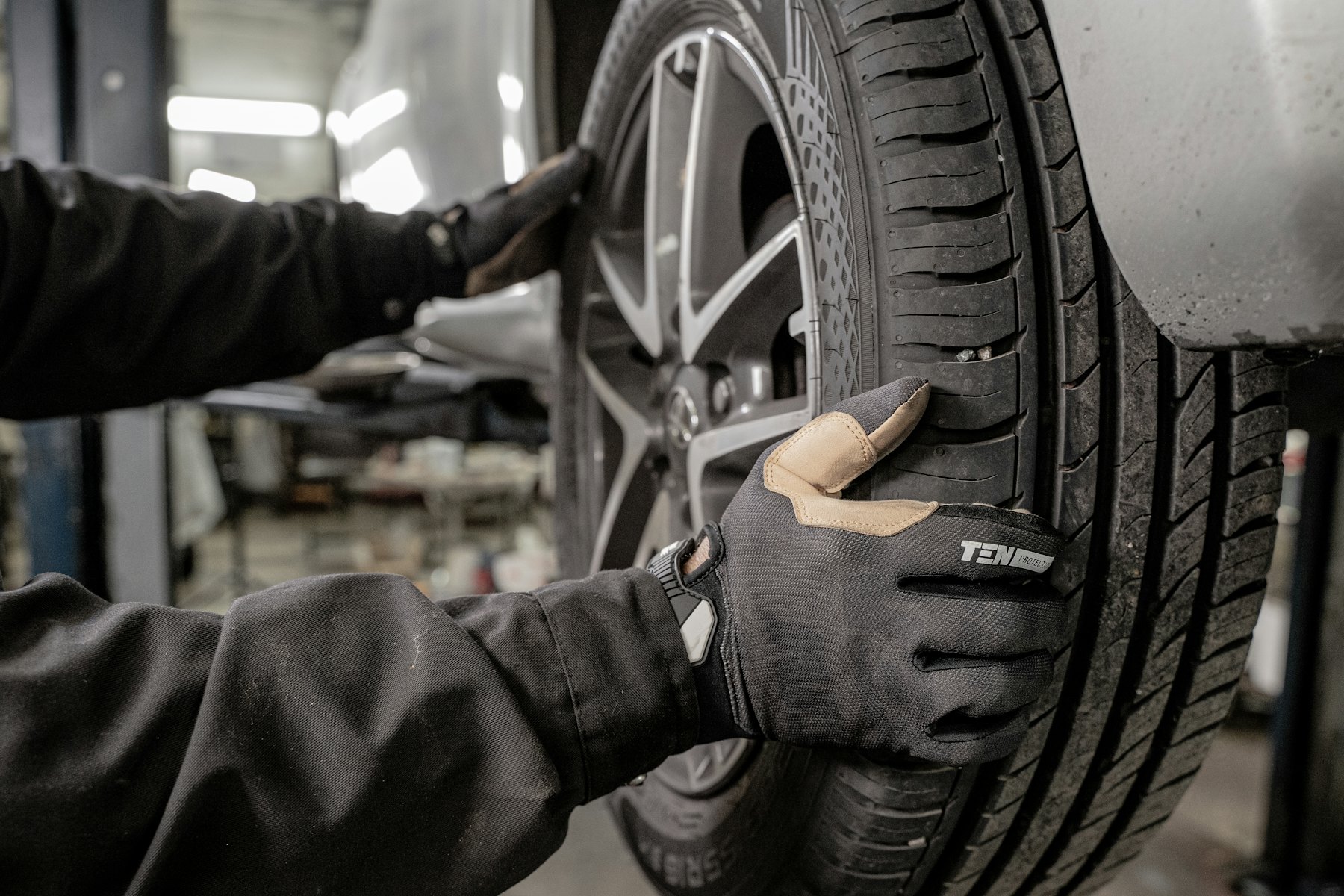
The freeway through town generates most of the calls
Fairfield sits on the I-80 freight corridor, and that single fact explains most of what comes in from here after dark. The freeway carries commuters heading toward Sacramento in one direction and the Bay in the other, plus a steady flow of commercial traffic that never really stops. Put that much mileage through one stretch of road and the failures stack up: tires that were already marginal, batteries running on borrowed time, cooling systems that quietly dropped their coolant over a week and then let go on a grade.
The Cordelia interchange, where I-80 meets I-680, is its own story. Traffic is heavy, the merging is constant, and a vehicle stopped anywhere near it is a hazard before it is a repair job. Those calls move to the front of the queue, and the first thing that happens is getting the vehicle and the people into a position where traffic is not the biggest danger. Diagnosis comes second. If the spot you are in cannot be worked in safely, we say so rather than pretending.
Where the calls landI-80 through town and the Cordelia interchange, I-680 south toward the Bay, Highway 12, and the roads around Travis AFB.
Typical jobA jump start that turns out to be a cable end, a lockout in a shopping-center stall, a flat with no usable spare, or a car that quit on the freeway after a normal week.
What you payWhat the job runs, agreed before anything starts, with nothing billed by the hour. Send the details if you are safe and it can wait an hour.
Lockouts and flats happen where people stop, not where they drive
- Keys on the seat, doors shutIt happens in retail lots across town and on the roads feeding Travis AFB, usually at the end of a shift when nobody has patience left. Doors get opened without damage to the vehicle and you drive off from the same stall.
- A flat in a parking spaceSwapping a wheel in a lot is simple work. The complication is that plenty of vehicles now carry a sealant can where the spare used to live, and sealant cannot save a tire with sidewall damage.
- Base traffic and shift timingVehicles around Travis move in waves, and a dead car blocking a lane at the wrong hour becomes everybody’s problem. Access onto the installation follows their rules, so we arrange where to meet the vehicle.
- Work vehicles in the yardsVans, service trucks and yard equipment parked in the industrial blocks. The same faults as a commuter car, with a day of lost work attached if they sit until morning.
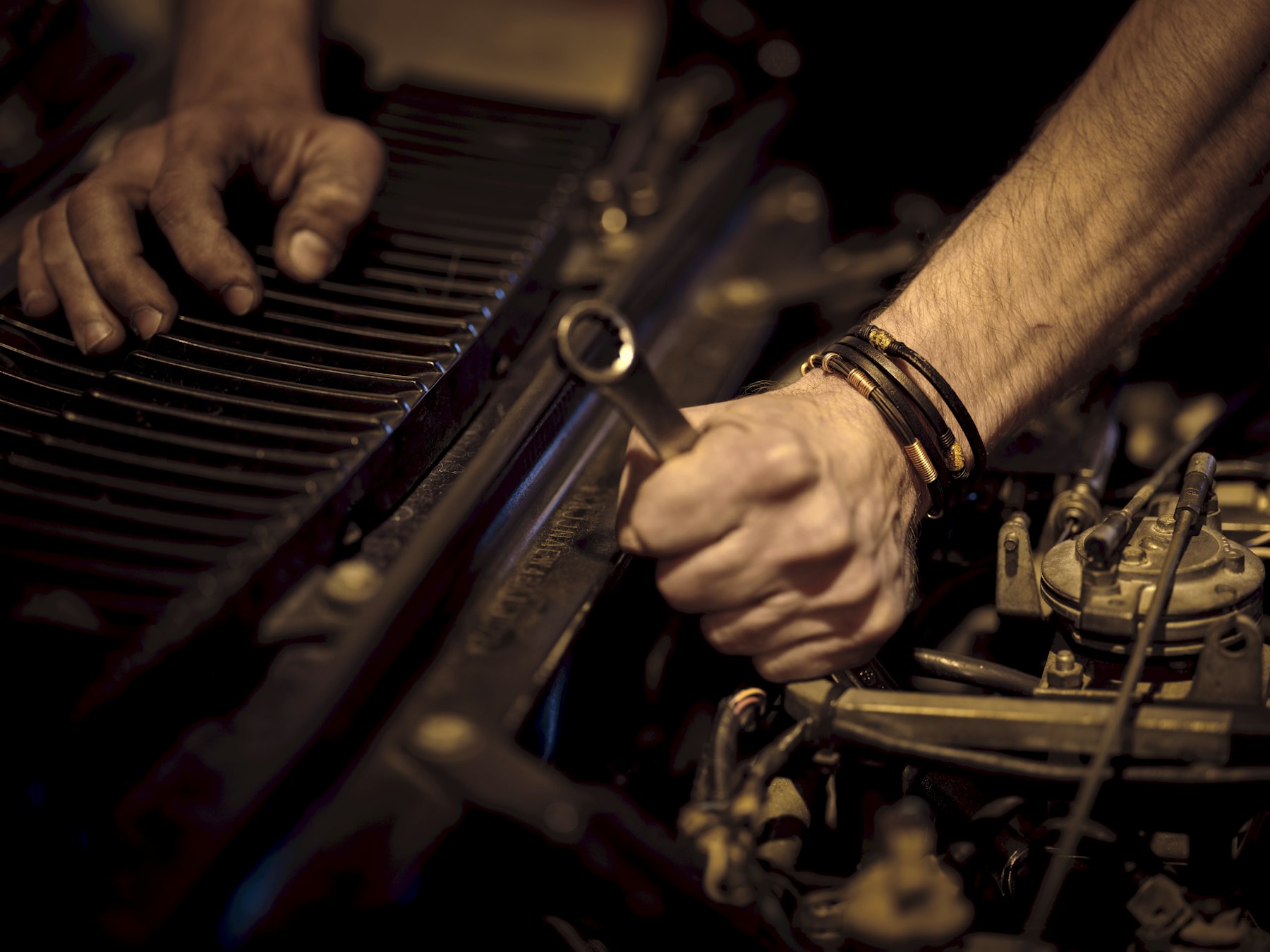
What gets handled on the spot
These run into each other constantly. A jump start that will not hold is a charging fault wearing a battery costume, and a tire that keeps going soft is usually a valve or a bead.
Roadside assistance
The parent service and everything underneath it. Jump starts, lockouts, flats, fuel and on-the-spot fault finding, anywhere around town.
Battery replacement
For when the test says the battery is finished rather than merely flat. Measured first, then changed in the space the vehicle is already sitting in.
Diesel work
Trucks, fleet vehicles and the heavier machinery that keeps this corridor moving. Same roadside approach, different tools in the back.
Flats and wheels
A wheel changed properly on the shoulder with the truck placed as a shield, or a spare fitted in a lot. Trailer tires included.
Lockouts
Doors opened without marking the vehicle. Common in the retail corridors and on the roads around the base.
Fuel and fluids
Running dry mid-commute is more common than anybody admits. Enough fuel to reach a station, or whichever fluid the vehicle is genuinely short of.
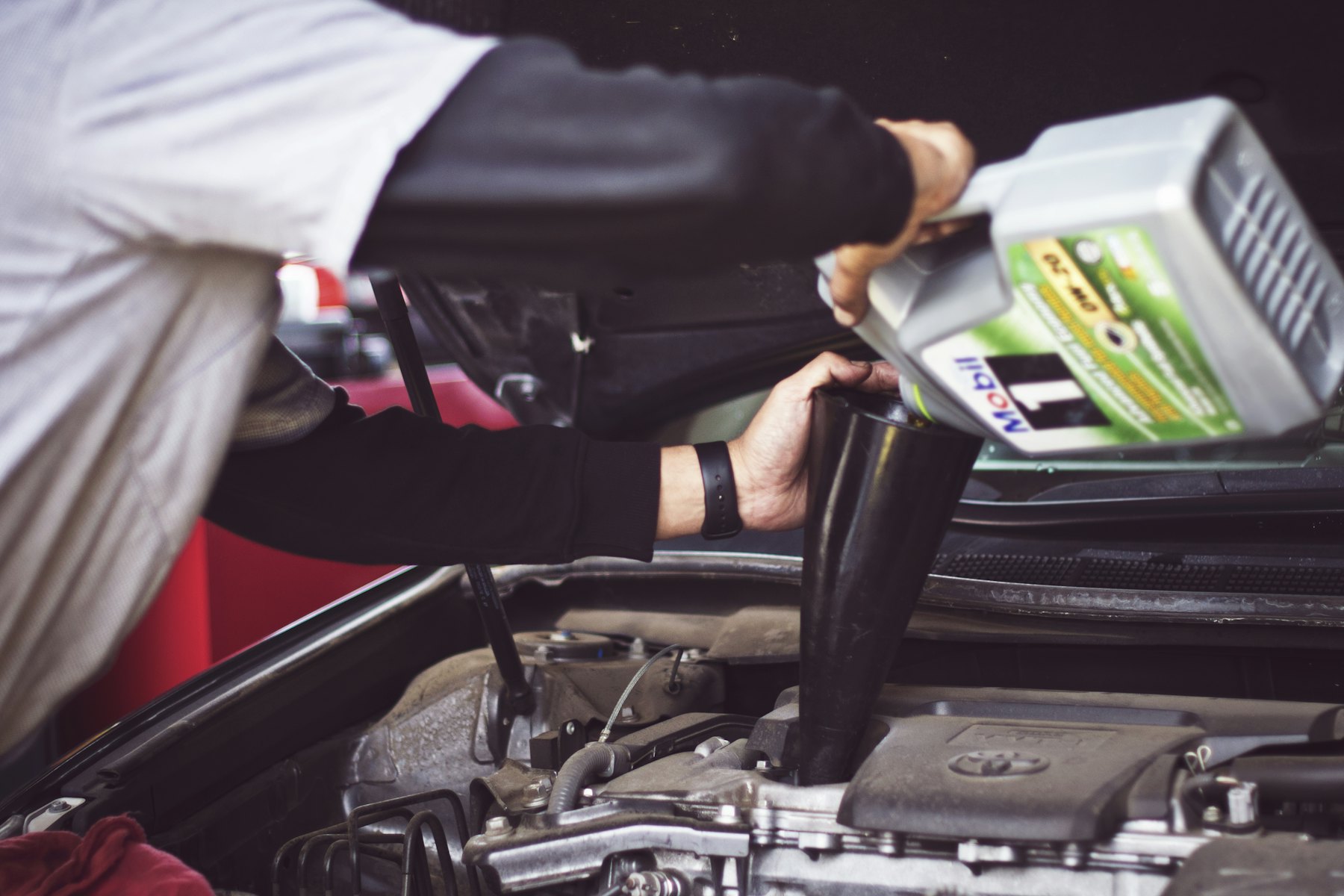
Why a long daily drive breaks things in a particular order
A Fairfield commute is not a short errand. People here run toward Sacramento or down into the Bay and back, five days a week, and that kind of mileage finds the weak component rather than waiting for it to announce itself. Brakes wear faster because of the stop-and-go at the interchange. Cooling systems get held at temperature for an hour at a time, which is when a tired hose or a thermostat gives up. Belts and bearings accumulate hours nobody counts. The vehicle feels fine right up to the morning it does not.
That is also why a jump start here is a test and not a favor. If the engine fires and the charging system holds voltage, you are done and back on the road. If voltage collapses the second the cables come off, the battery is spent and we can change it where you are parked. If it charges normally and dies again ten miles up the freeway, that points at the alternator, and knowing which of the three you have is what keeps you from buying the wrong part twice.
Solved at the roadside, or honestly a tow
Being straight about this is most of the value. Nobody gains from a mechanic who opens a job he cannot close, and nobody should pay for a flatbed when the work takes a quarter of an hour.
- Done where it stoppedBatteries, cables and terminals. Starters and alternators. Tires, including trailer tires. Fuel delivery. Hoses and belts on most vehicles. A caliper that has seized and is dragging a wheel.
- Usually done, occasionally notFuel delivery faults depend entirely on where the pump lives and whether the tank has to come down. That becomes obvious within a few minutes of looking, and you hear the answer immediately.
- Worth looking at either wayAn overheat on the freeway. Establishing whether it is a hose, a thermostat, a water pump or something internal decides whether you drive home or wait, and that is worth knowing before a truck is dispatched.
- Genuinely needs movingA brake line that has failed, a snapped timing belt, an engine that has seized, a transmission that will not take drive, or a vehicle stopped where there is no safe working room at all.
- The call that avoids the towRing before booking a flatbed. Describing the symptom costs nothing, and a good share of Fairfield callers discover theirs is the fifteen minute kind.
An honest, fast, and affordable solution people can count on, with nobody left stranded.
How the business was set up
The ground this covers around town
All of Fairfield, the freeway stretches either side of it, Green Valley and Cordelia, and out past the ag and industrial edges. The Fairfield page lists everything else that gets called in here, and there are photos of past work in the gallery.
What people ask while standing next to the car
Short answers. If yours is not covered, the phone is quicker than typing.
Will you come out to a shoulder on I-80?
Yes, including the stretch through town and the Cordelia interchange where I-80 meets I-680. The truck gets positioned so it stands between your vehicle and the live lane while the work happens. If the place you have stopped genuinely cannot be worked in safely, you will be told that straight, and we will work out the cheapest way to get somewhere it can be.
My car is dead in a shopping-center lot. Is that a tow?
Most of the time, no. A vehicle that will not turn over is usually a battery, a corroded terminal or a cable end, and all three get sorted in the parking space. Call before you arrange a flatbed, because paying to move a car that needs ten minutes of work is money gone for nothing.
Can you reach a vehicle near Travis AFB?
We handle the roads around the base regularly, and lockouts and no-starts out that way are routine calls. Getting onto the installation itself depends on their own access rules, so we agree on where to meet the vehicle when you ring rather than assuming.
I have a flat and no usable spare. Then what?
Plenty of vehicles now ship with a sealant can instead of a wheel, and sealant will not save sidewall damage or a shredded trailer tire. We carry what it takes to deal with a flat properly instead of leaving somebody kneeling at the edge of moving traffic. If the tire is past saving, you hear that before anything is taken apart.
How do I know whether it needs a tow before you arrive?
Describe what the vehicle actually did. One that cranks but never fires, one that is completely silent, and one that died on the freeway after a normal week are three separate faults with three separate answers. Most are fixable where you stopped, and you will get a real opinion rather than an automatic dispatch.
Is a call at two in the morning charged differently?
No. The visit and the work come to one figure, agreed before anything begins, with nothing billed by the hour and no night rate. This business exists because the owner watched too many people get told one number and then handed a bigger one.
Fairfield, whatever the hour.
The phone reaches the mechanic himself, not a call center. Tell us where in Fairfield you are stopped, what the vehicle did before it quit, and whether you are somewhere safe to wait. You will have a price and an honest arrival window before the call ends, and more often than not you will drive away under your own power.