A mechanic comes to the shoulder, not a tow truck.
Most breakdowns are a battery, a belt, a hose, a tire or a dead starter. Those get fixed where the vehicle stopped. Freeman Roadside Repair rolls with the tools and the common parts, so the call usually ends with you driving away instead of following a flatbed.
- Open 24 hours, seven days
- No hourly minimum
- A real number before we roll
- Cars, trucks, trailers and fleet

Fixed where it stopped, or moved: which one you are looking at
Roadside work splits cleanly in two, and knowing which half you are in saves you money before anyone shows up. The first half is everything a mechanic can finish on a shoulder or in a parking lot with hand tools and the parts on board. Dead battery, corroded cable, blown serpentine belt, split coolant hose, flat tire, no fuel, a starter that has given up, a fuse or relay that took out the fuel pump. Those are repairs, and a repair ends with the vehicle moving under its own power.
The second half is everything that needs a lift, a press, a hoist, or a torque figure you cannot reach on gravel. Transmission work, a head gasket, a snapped axle, a wheel bearing that has already eaten the hub, rotted hard line along the frame. On those we tell you straight that it needs to be moved, and we say it on the phone when we can, so you are not paying for a visit that was never going to finish.
Where it gets useful is the gray band between them, because that band is wider than most people expect. A truck that will crank but not start is often a relay or a ground, which is twenty minutes at the roadside, and it is worth diagnosing before anyone calls a tow. Patrick has been turning wrenches for more than twenty five years, and a lot of that experience is simply knowing what can be saved on the spot.
Call with these four thingsWhere you are sitting, what the vehicle is, what it did right before it quit, and whether you are on a shoulder or somewhere off the traffic lane. That is enough to load the right parts.
What you payYou hear what the job runs before the truck leaves, and there is no hourly minimum waiting underneath it. A short fix is billed short.
How far we runNapa and Solano are the daily ground. Calls regularly pull us out to Contra Costa, Alameda, Marin and Sonoma as well. Check the coverage map.
Working a live shoulder without becoming the second accident
The dangerous part of roadside repair is rarely the repair. It is standing on the painted line of an interstate at night while traffic moves past at seventy. Before a wrench comes out, the service truck gets parked as a shield: angled behind the vehicle, offset toward the traffic side, lights going, so anything drifting out of the lane hits steel and not a person. That positioning is deliberate, and it is why the truck sometimes parks in a spot that looks strange from the driver’s seat.
Some locations cannot be made safe, and we will say so rather than work them. A blind curve on Highway 12, the inside shoulder of a bridge deck, a narrow stretch of Highway 37 with water on one side and no room on the other, the ramp gore points where I-80 and I-680 merge. In those spots the honest answer is that the vehicle has to be moved first, and we will tell you that instead of taking the call and hoping.
What we ask of you is simple and it matters more than people think. Get out on the side away from traffic, stand well behind the guardrail rather than in the vehicle, and leave the hazards on. Sitting inside a stopped car in a live lane is the single riskiest thing a stranded driver does.
The calls that make up most breakdown work
Each of these has its own page with the detail on it. If you already know which one you are looking at, go straight there. If you do not, describe the symptom on the phone and we will work it out together.
Jump starts
A boost, then an answer about whether it was the battery, the alternator or something draining overnight.
Flat tire service
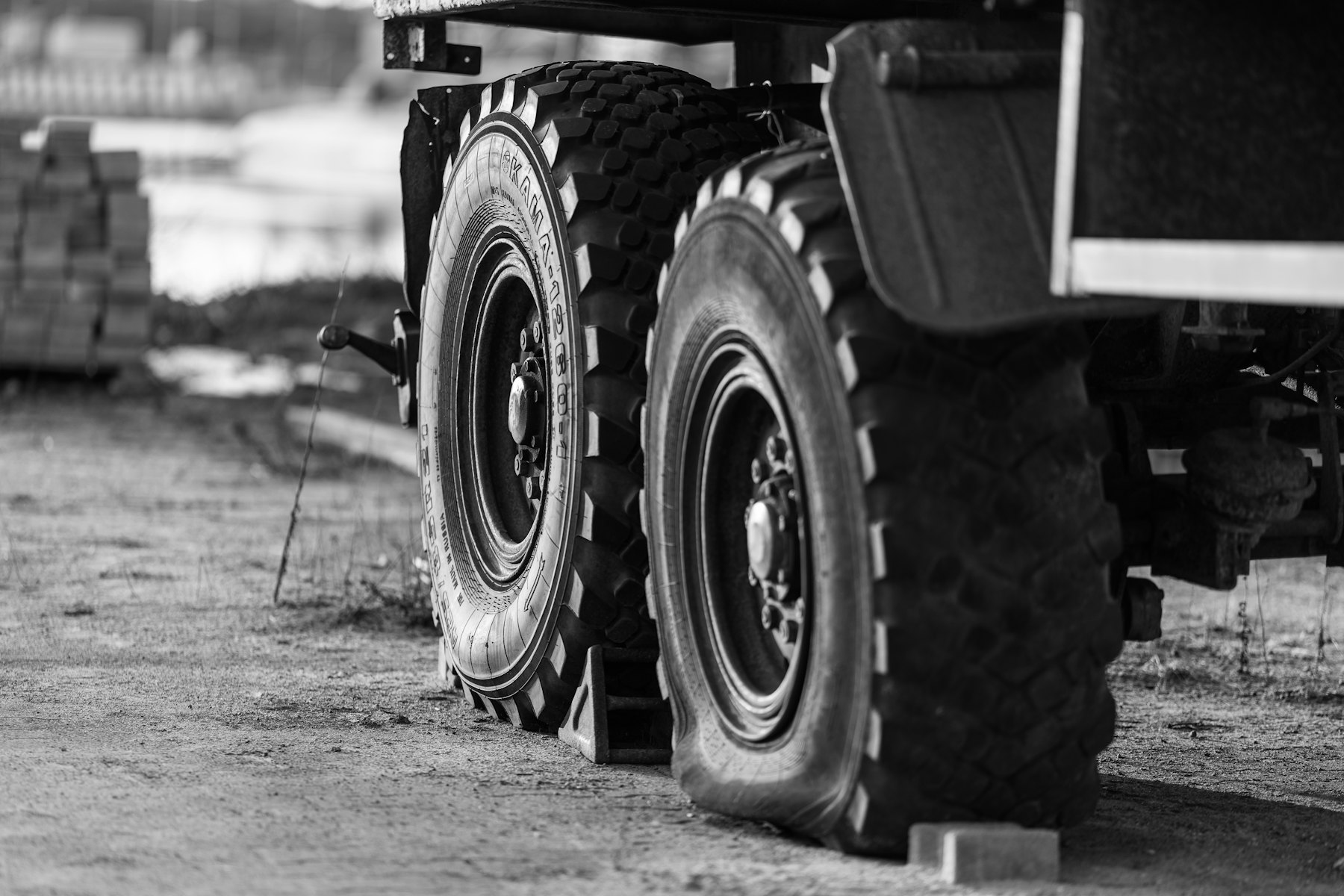
Spare fitted, tire swapped, or an honest read on whether a sidewall can be saved at all.
Lockout service
Keys shut inside the cab. Opened without breaking trim or the weather seal.
Breakdown assistance
The call where nobody knows what failed yet. Diagnosis first, then a decision about fixing or moving.
After hours repair
The work nobody else answers for. Nights, weekends and holidays are ordinary hours here.
No start diagnostics
Cranks but will not fire, or will not crank at all. Traced to fuel, spark, ground or starter before parts get bought.
The corridors where these calls actually happen
Breakdown work clusters in predictable places, and after a few years you learn the map by the kind of call each stretch produces.
- I-80 through Fairfield, Vacaville and CordeliaThe heaviest mixed traffic in the county. Commuter cars in the morning, freight all day, and the grade out of Cordelia that finds every marginal cooling system in summer.
- I-680 and the Benicia bridge approachLong climbs and slow crawls. Overheating and belt failures show up here, and the shoulders narrow badly near the span, which changes where a truck can safely park.
- Highway 29 up the Napa valleyTourist traffic, delivery vans and vineyard equipment sharing two lanes. Turnouts are scarce, so getting a stopped vehicle clear of the lane is usually the first job.
- Highway 37 and Highway 12Exposed, narrow, and the least forgiving roads we work. Wind, water alongside, and few places to stand. Some spots on these we will decline outright and say why.
- Weigh stations and truck stopsA truck pulled out of line at a scale is losing money by the minute. These are the calls we push hardest on, because the fix is often an air leak or a light and the clock is the real problem.
Why this business exists in the first place
Get there fast, fix it properly, and bill the number we said on the phone.
Patrick Freeman, owner
Patrick spent years working for other repair companies before starting this one in 2022, and the thing that pushed him out was watching how stranded people got handled. Quoted one figure and billed another. Told two hours and seen in five. Charged an hourly minimum for a job that took ten minutes. Left waiting because a dispatcher had a more profitable call.
So the rules here are short. You get a price before work starts. There is no hourly minimum. Nobody gets left on the side of the road because their job was too small to be worth the drive. That last one is not a marketing line, it is the reason the phone gets answered at three in the morning.
What stranded drivers ask first
If you are on a shoulder right now, stop reading and call. Typing takes longer than telling someone.
Are you a tow company?
No. We are mobile mechanics, which means we come to fix the vehicle rather than to move it. That is better for you on most breakdowns, because a battery, belt, hose, tire or starter gets solved on the spot for far less than a tow plus a shop visit. When a vehicle genuinely has to be moved we tell you and you can arrange a tow with that knowledge.
How fast can somebody get to me?
It depends where you are and what is already running. You get a realistic arrival window on the phone, not a number designed to keep you from calling somebody else. Napa and Solano are close ground. Further out in Contra Costa, Alameda, Marin or Sonoma the window stretches and we say so before you commit.
Can everything be fixed on the roadside?
No, and anyone who says otherwise is selling you a visit. Batteries, belts, hoses, tires, fuel problems, starters, alternators and most electrical faults finish where the vehicle sits. Transmissions, head gaskets, axles and rotted brake line need a lift and proper support. We sort your problem into one of those two piles before the truck rolls.
What if my location is too dangerous to work?
Then we will not work it, and we will tell you why. Blind curves, bridge decks, ramp merge points and the narrow stretches of Highway 37 and 12 leave no safe room for a person to stand. In those cases the vehicle has to be moved somewhere workable first. Refusing a spot like that is not us dodging the job, it is the only responsible answer.
Do you handle commercial trucks and trailers?
Yes, and a good share of the work is exactly that. Tractors, trailers, box trucks, work vans and heavy equipment at a yard, a shipper, a jobsite or a weigh station. A truck held at a scale is bleeding money every minute, so those calls get treated as urgent regardless of the hour.
Is there a charge if the vehicle cannot be fixed there?
You know the figure before anyone drives out, including what happens if the diagnosis ends with needing a shop. Nothing gets added afterward and there is no hourly minimum underneath it. The whole business was built because the owner got tired of watching people billed a number they never agreed to.
One number, any hour, anywhere on the map.
Tell us where you are sitting and what the vehicle did before it quit. You will have a price and an arrival window before the call ends, and the truck leaves with the parts your symptom points at.
HoursMonday to Sunday, 24 hours
Based inAmerican Canyon, CA
Also hereBreakdown help · Gallery · Reach us