
Brakes fixed in the driveway, the yard, or the shoulder.
Grinding, pulsing, a pedal going soft, a caliper locked up after a wet week. Freeman Roadside Repair carries pads, rotors and the tools to bleed a system, so most brake jobs finish where the vehicle already is.
- Open 24 hours, seven days
- No hourly minimum
- Price up front, before the truck leaves
- Cars, trucks, trailers and fleet
What we can actually do at the roadside
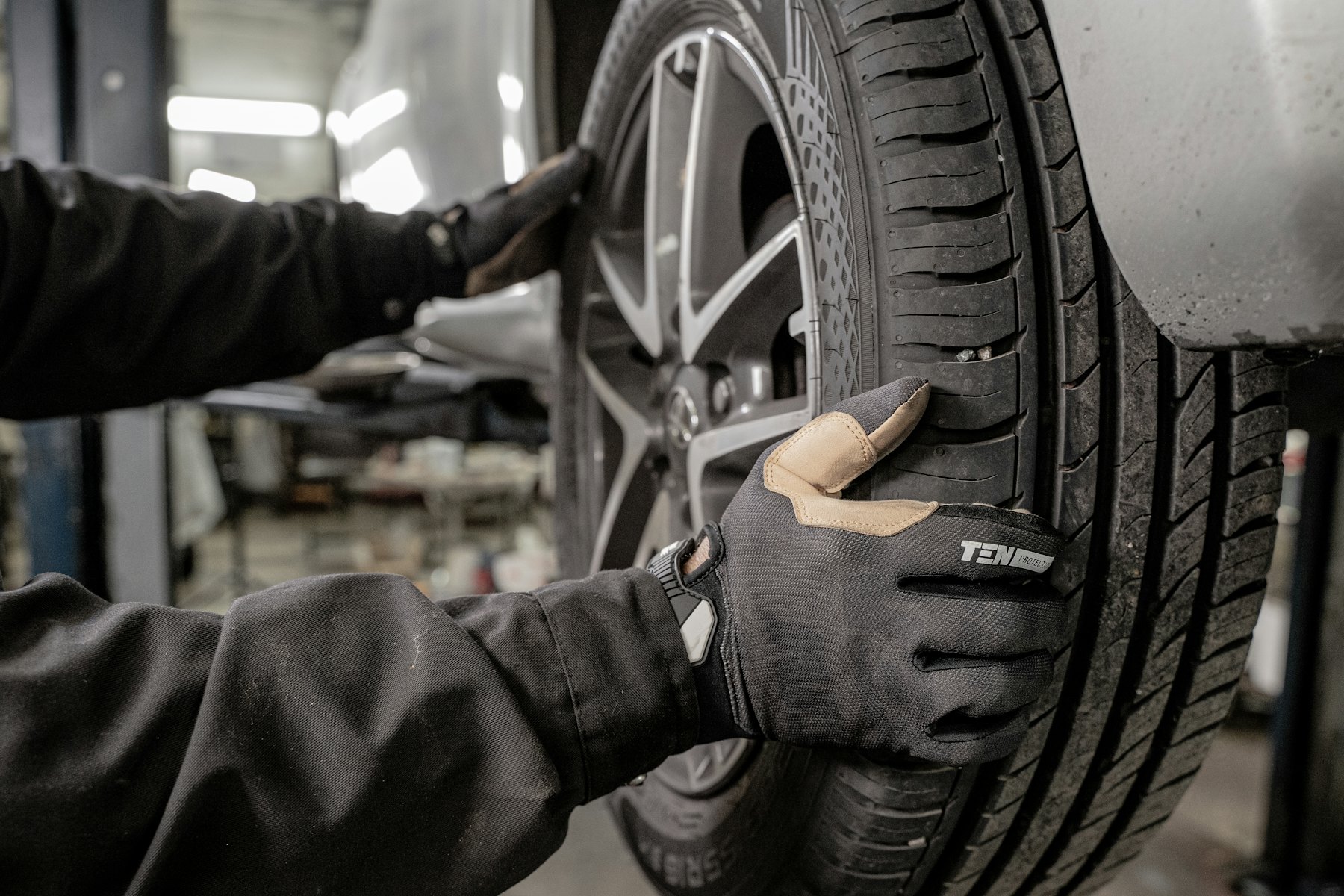
A brake job away from a lift is a question of what the truck carries and what the vehicle needs. Pads and rotors on most cars, pickups and light trucks are straightforward work on jack stands: pull the wheel, press the piston back, swap the pads, seat the new rotor, torque everything to spec and bed it in on a short drive. Calipers and flexible lines are the same story as long as the fittings are not rusted into the knuckle.
Hard lines that have rotted along the frame, master cylinders, and vacuum booster work are heavier jobs. We will tell you on the phone which side of that line your vehicle is on, and if it needs a lift we say so instead of starting a job we cannot finish. That honesty is the reason most of our brake work comes from people who called us once for something else.
Air brakes on commercial trucks and trailers are a different trade again. We do chamber and slack adjuster work, and we do it at your yard or the weigh station, because a truck with a dragging brake is not going anywhere on its own.
Symptoms worth a callA squeal that turns into a grind, a pedal that sinks while you hold it at a light, the steering wheel shaking under braking, a burning smell after a hill, or a parking brake that will not release on a cold morning.
What it costsYou get a price up front, before anything comes apart. No hourly minimum means a ten-minute pad inspection is billed like ten minutes.
Where we goHome ground is Napa and Solano. Brake calls also pull us into Contra Costa, Alameda, Marin and Sonoma most weeks. See the full map.
You describe the noise. We arrive with the parts.
- The phone callYear, make, model, and what you hear or feel. That is usually enough to know whether it is pads, a warped rotor or something hydraulic.
- The priceYou hear what the job runs before the truck rolls. If the parts have to be fetched, you hear that too.
- The workWheels off, measurement taken, pads and rotors replaced, hardware cleaned and greased, everything torqued to the manufacturer’s figure.
- The bed-inA short drive with controlled stops so the pad material transfers evenly. Skipping this is why cheap brake jobs judder a month later.
The rest of the brake work we carry parts for
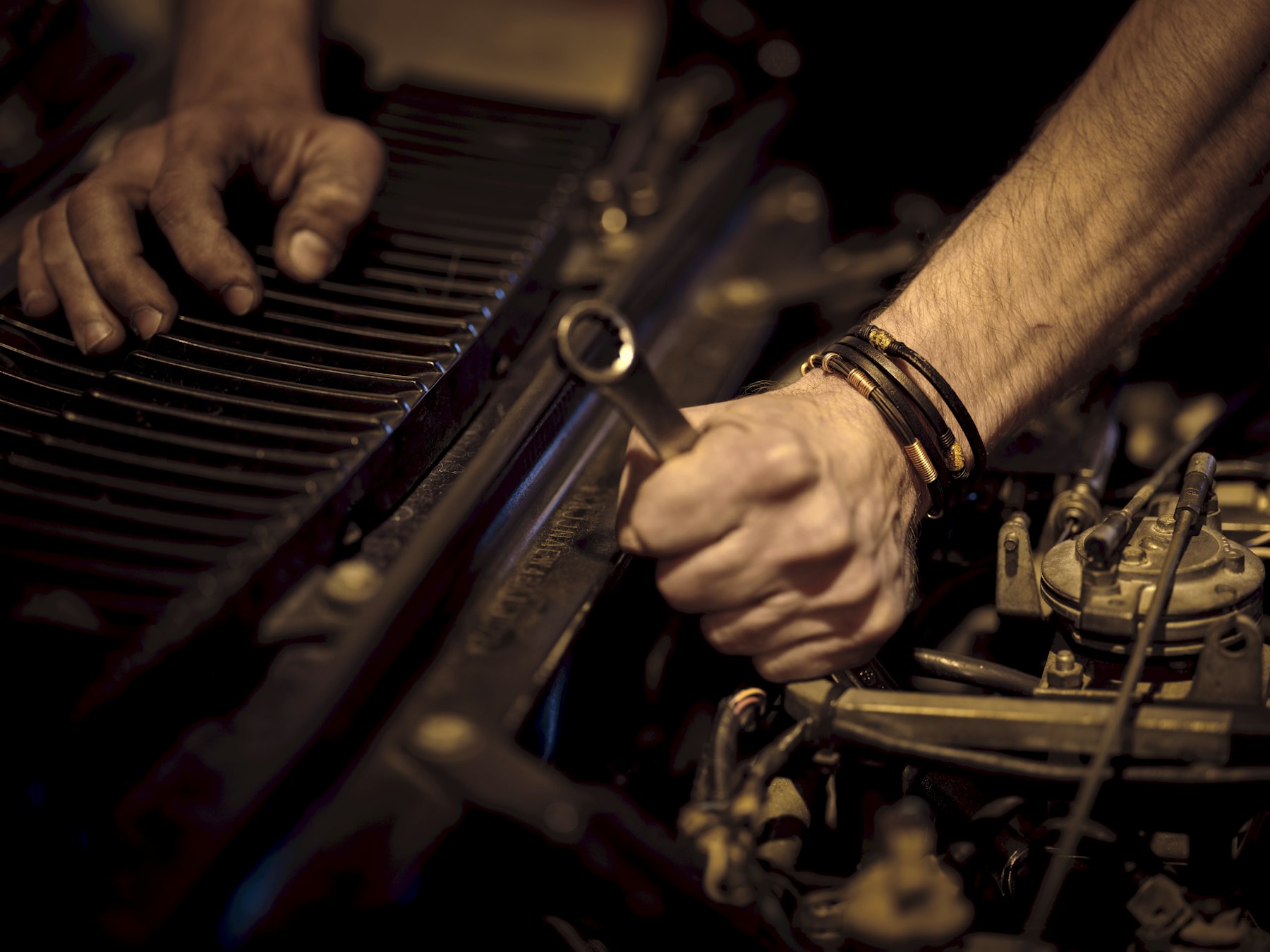
Most of these overlap. A caliper that stuck has usually cooked a rotor, and a soft pedal after a pad change is almost always air in the line rather than a new fault.
Brake pad replacement
The common job. Pads, hardware, a clean and grease of the slide pins, and a measurement of what is left on the rotor.
Brake rotor replacement
When the disc is under minimum thickness, scored, or warped enough to shake the wheel under braking.
Brake caliper replacement
A piston that will not retract drags the pad, cooks the rotor and pulls the car to one side. Replaced and bled on site.
Brake line repair
Flexible hoses and accessible hard line. Rotted frame line usually wants a lift, and we will say so.
Brake fluid flush
Old fluid holds water, boils on a long descent and rusts the inside of the system. Flushed and bled at your location.
ABS diagnostics
A light on the dash, a wheel speed sensor reading wrong, or a pump that will not cycle. Scanned and traced before anything is replaced.
Brake work that keeps a yard moving
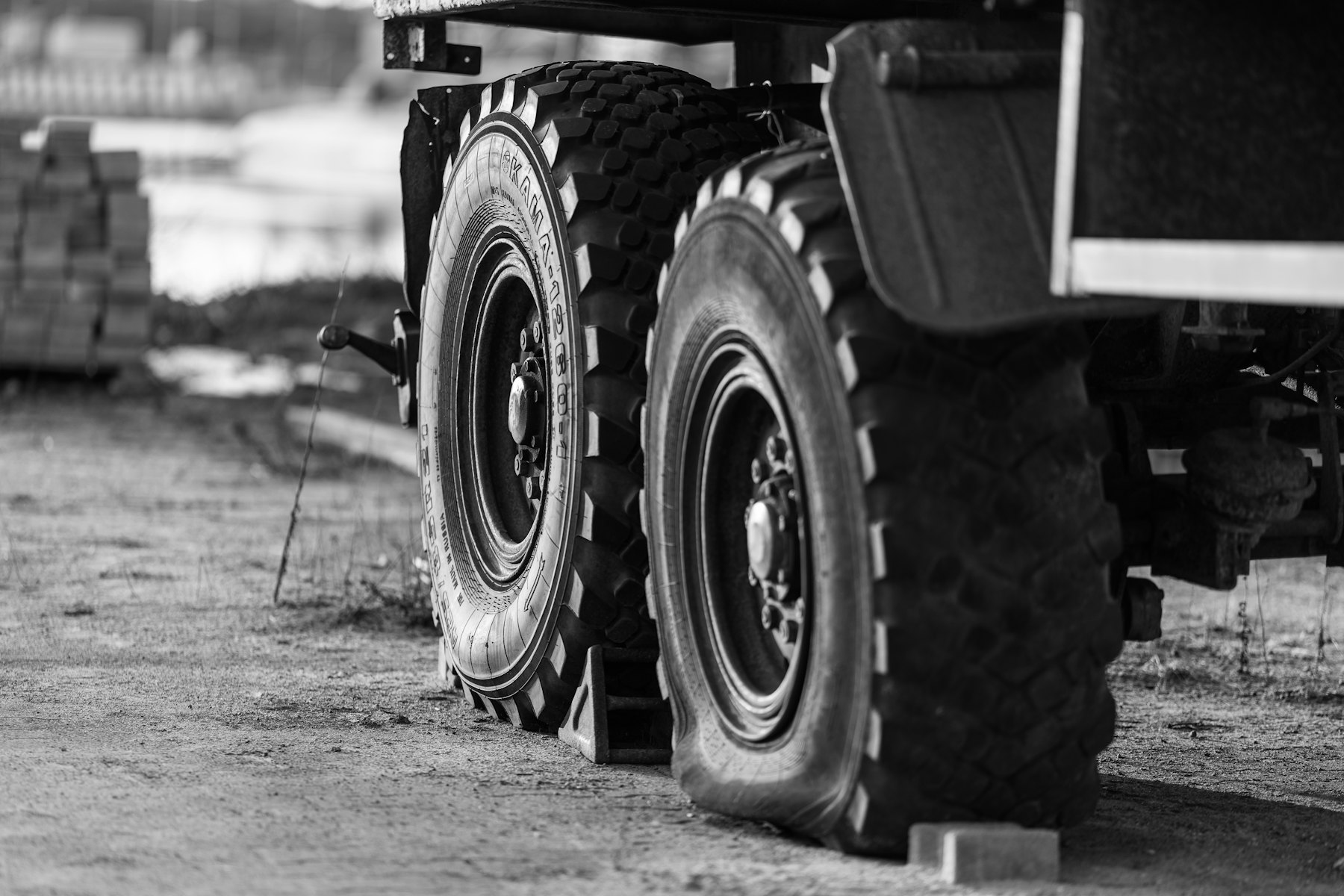
A delivery van with a dragging brake burns fuel and eats a tire every few weeks. A box truck that fails a roadside inspection on brake adjustment is out of service until somebody fixes it. Both of those are cheaper to solve at your yard, at whatever hour the vehicle is actually sitting still, than to solve by sending a driver to a shop during business hours.
We schedule brake service around dispatch rather than the other way round. That means early mornings before the run, evenings after it, and weekends when the lot is full. For outfits running more than a handful of vehicles we will work through the fleet a few units at a time, measuring pad and rotor thickness on each and flagging what will need doing in the next quarter, so the work spreads out instead of arriving all at once as breakdowns.
If you are already having fleet inspections done, brake measurement is part of that visit and costs nothing extra to record. The point of writing it down is that a pad at three millimeters is a scheduling decision, while the same pad ignored for two months is a rotor, a caliper and a tow.
What we carry, and why it matters at the roadside
The difference between a mobile brake job that finishes today and one that turns into two visits is almost always parts availability. These are the things that live in the truck rather than being fetched.
- Pads and rotors for common platformsHalf-ton pickups, the usual sedans and crossovers, and the vans that make up most working fleets around Napa and Solano. Less common vehicles get sourced first, then scheduled.
- Hardware kits and lubricantSlide pins, clips and shims. Reusing cooked hardware is why a new set of pads starts squealing within a month, and it is the corner most cheap brake jobs cut.
- Fluid and a bleed setupDOT 3 and DOT 4, a pressure bleeder and a catch bottle, so a caliper or hose replacement finishes with a proper bleed instead of a pedal that feels soft.
- A scan tool that talks to ABSElectronic parking brakes have to be retracted with a scan tool before the pads come out, and putting them back without one is how a caliper gets destroyed. Wheel speed sensor faults get read here too.
- Torque wrenches, not an impact gunLug nuts and caliper bracket bolts get the manufacturer’s figure. Over-torqued lugs warp a brand new rotor, which is a warranty argument nobody needs.
The figure you hear on the phone is the figure on the invoice. No hourly minimum, no padding a short job into a long one.
How the pricing works
What people ask before a brake job
If yours is not here, the phone is faster than typing. There is always someone on the other end.
Can you really do brakes without a lift?
Yes, on jack stands, which is how brake work was done long before every shop had a lift. Pads, rotors, calipers and flexible hoses are all accessible with the wheel off. What needs a lift is rotted hard line along the frame or a master cylinder buried behind other components, and we tell you that on the phone rather than after we have started.
How long does a brake job take at my house?
An axle of pads and rotors on a typical car or pickup runs about an hour and a half once we are parked. Add time for seized hardware, a caliper that has to come off, or a full fluid flush. You get a realistic window when you call, not a number designed to get us in the driveway.
Do you bring the parts, or do I?
We bring them. The truck carries pads and rotors for common cars, pickups and light trucks. For less common vehicles or heavy duty applications we source the parts first and schedule once they are in hand, so the vehicle is not sitting apart while we wait on a counter.
My pedal goes to the floor. Is that still a roadside job?
Sometimes. A pedal that sinks slowly usually means a failing master cylinder or a leak, and a leak at a flexible hose or caliper is repairable on site. If the line has let go somewhere along the frame, the vehicle should not be driven and may need to go somewhere with a lift. Call before you drive it.
Can you do brakes on my work truck or trailer?
Yes. Air brake chamber and slack adjuster work on commercial trucks and trailers is part of what we do, along with electric trailer brakes and the wiring behind them. We come to the yard, the shipper, or wherever the unit is parked, which is usually cheaper than paying for a tow to a truck shop.
Do you charge a call-out fee on top of the work?
You get one price up front that covers the visit and the job, and there is no hourly minimum. The reason the business exists is that the owner watched too many people get quoted one number and billed another, so the number you hear on the phone is the number you pay.
Brakes are the one thing worth calling about today.
A grinding pad is metal on metal and every mile makes the repair bigger. One number reaches the mechanic directly, any hour. Tell us the vehicle and what you hear, and you will have a price and an arrival window before we hang up.