
The pump is in the tank. Whether that stays roadside work depends.
A vehicle that cranks fine and catches for two seconds before dying is telling you something specific. Freeman Roadside Repair tests for it, tells you what the job runs, and replaces the pump where the vehicle already sits when access allows.
- Open 24 hours, seven days
- No hourly minimum
- Tested before anything is replaced
- Cars, pickups, vans and work trucks

Access is the whole question
On almost everything built in the last thirty years the fuel pump lives inside the fuel tank, submerged in gasoline, because the fuel it sits in is what cools it. That single design decision is what makes this job different from an alternator or a starter. You cannot simply unbolt it from the outside. You get to it one of two ways, and which way your vehicle allows decides whether we finish in your driveway this afternoon or whether the vehicle needs to go somewhere with a lift.
The good version is an access panel. Plenty of manufacturers put a hatch under the rear seat or under a carpeted panel in the cargo floor, directly above the pump module. Many pickups, a lot of vans, and a fair number of sedans are built this way. Pull the seat bottom or lift the panel, disconnect the lines and the wiring, twist off the lock ring, lift the module out. That is genuinely roadside work, and it is why we ask for the year, make and model before anything else.
The other version means dropping the tank. Straps unbolted, filler neck disconnected, lines and wiring released, and the whole tank lowered on a jack while still holding fuel. That is heavy, it is a two-person job on a full tank, and it wants level ground and room to work. We will do it at a yard or a wide driveway on the right vehicle. On a gravel shoulder with traffic going past, we will not, and we will tell you that straight away instead of starting something we cannot safely finish.
What points at the pumpCranks a long time before catching, fires and dies immediately, a rising whine from the rear of the vehicle, loss of power climbing a grade, or stalling that gets worse once everything is hot.
What the job runsYou hear one number before a single line is disconnected, and it covers coming out to you. Ten minutes of testing is billed as ten minutes, because there is no hourly floor.
How far we comeNapa and Solano are the daily ground. Fuel work regularly takes us into Contra Costa, Alameda, Marin and Sonoma as well. Check the coverage map.
Nobody should replace a pump on a guess
- Listen at the fillerKey on, engine off. A healthy pump primes for a couple of seconds. Silence points one direction, a loud whine points another.
- Check what feeds itA pump that never got power is not a bad pump. Relay, fuse, inertia switch and the ground all get checked before the fuel does.
- Put a gauge on the railReal pressure numbers against the manufacturer’s spec, watched while cranking and while running.
- Decide access, then pricePanel or tank drop, and what that means for doing it here. You get the number and the plan in the same phone call.
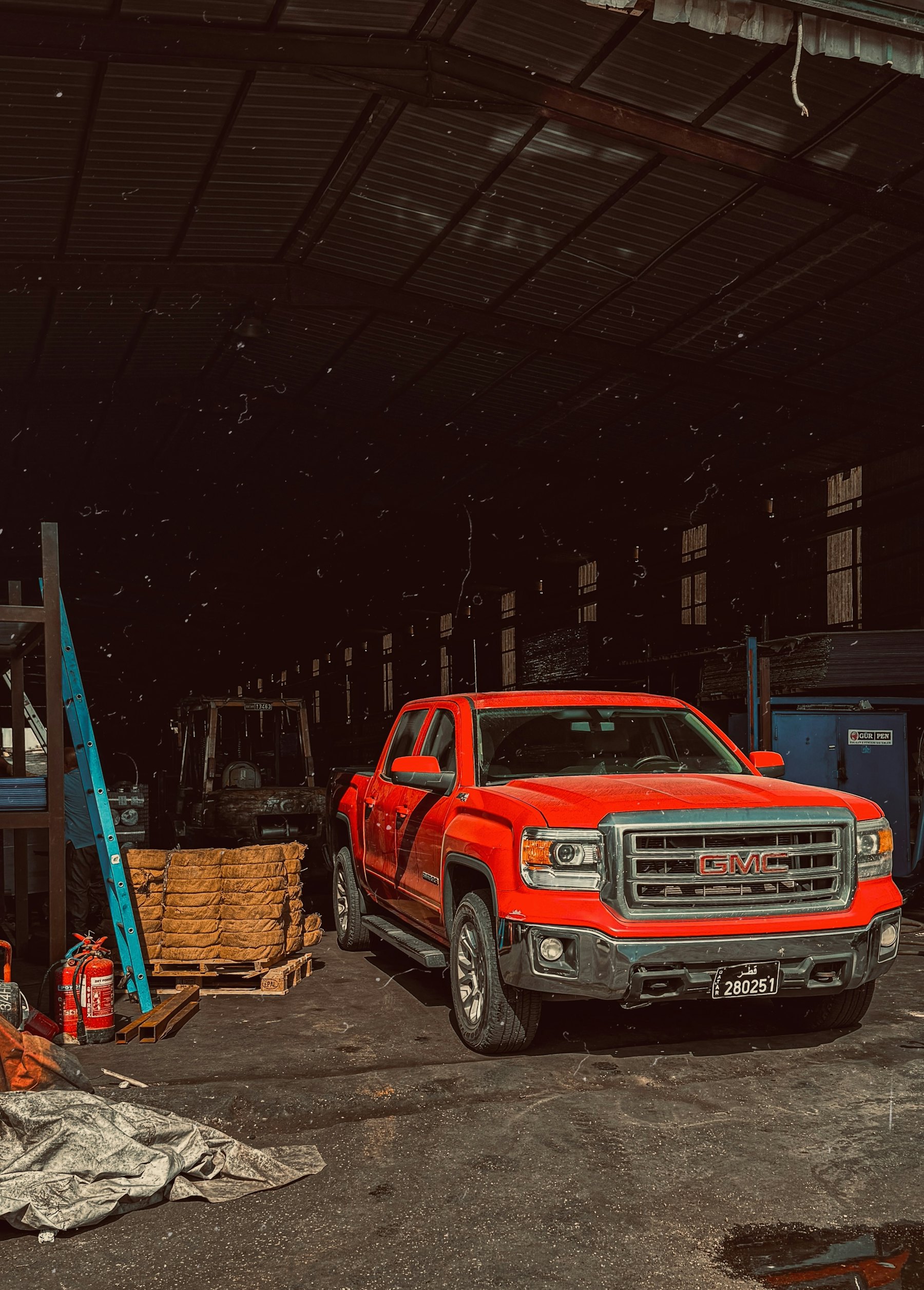
Running it low is what kills them
Most failed pumps were not defective. They were cooked, slowly, by an owner who treated the bottom quarter of the tank as usable range. The pump sits in the fuel because gasoline carries heat away from the motor windings. Drop the level below the pump and it runs in air, gets hot, and loses a little life every time. Do it for two years and the failure arrives on a hill, in traffic, in the dark.
- The quarter-tank habitRefuel before the needle reaches the bottom quarter. It is the cheapest fuel pump maintenance that exists and it costs nothing but a little planning.
- Sediment lives at the bottomRust, water and debris settle low in the tank. Running low draws them straight into the strainer and then into the pump.
- Heat compounds heatA pump that is already struggling gets hotter, and a hot pump is why so many quit in the afternoon and restart after the vehicle has sat overnight.
- A blocked filter works it harderMaking pressure against a restriction is extra load. A neglected fuel filter shortens the pump’s life behind it.
- Vehicles that sitStandby equipment and seasonal vehicles fail differently: fuel goes stale and varnishes, and the pump is asked to push it on the first cold start of the year.
The jobs next to this one
Fuel faults rarely arrive alone. A failing pump often comes with a strainer full of sediment, and a no-start blamed on the pump is sometimes a relay that costs a fraction of it.
Fuel system diagnostics
Pressure and volume measured properly, so the part that gets replaced is the part that failed.
Fuel filter replacement
An overdue filter starves the engine and loads the pump. Replaced at the same visit while the system is already open.
No-start diagnostics
Fuel, spark or compression. Established first, so nobody buys a pump for a battery problem.
Fuel injector replacement
A clogged or leaking injector produces a rough idle and misfire that can read like fuel starvation.
Check engine light diagnostics
Lean codes and fuel trim data narrow the search well before anything comes apart.
Diesel fuel system service
Diesel lift pumps, filters and water separators are their own trade, handled at your yard or the jobsite.
We would rather spend twenty minutes proving it is the pump than sell you one that was never the problem.
Patrick Freeman, owner
Asked before we roll
Anything not covered here is faster on the phone. Somebody answers at any hour.
Can a fuel pump actually be replaced at my house?
Often yes. If your vehicle has an access panel under the rear seat or the cargo floor, the pump module comes out from above and the whole job happens on your driveway. If the tank has to come down, it needs level ground and room to work, so a yard or a wide driveway is fine and a narrow shoulder is not. We establish which one applies from the year, make and model on the phone.
How do I know it is the pump and not something else?
You do not, until it is tested, and that is the point. A dead relay, a corroded ground, a plugged filter and a failed crank sensor all produce a vehicle that will not start. We check power and ground to the pump first, then put a gauge on the fuel rail and read actual pressure against spec. Replacing a pump on symptoms alone is how people pay twice.
Why did my pump fail in the first place?
Most commonly, from running the tank low. The pump is submerged because fuel cools it, so every trip taken below a quarter of a tank runs it hot and takes a little life off it. Sediment and water sitting at the bottom of the tank get drawn in at those levels too. Age, heat and a long-neglected filter do the rest.
Does the fuel have to come out of the tank first?
For a tank drop, mostly yes. A full tank is far too heavy to lower safely on a jack, so fuel gets pumped down into approved containers before anything is unbolted. Through an access panel it usually does not matter how full the tank is, which is one more reason the panel route is the better day for everyone.
Will you use the same brand the factory used?
We fit a quality pump module of the sort the vehicle was designed around, and we tell you what is going in before it goes in. The strainer and the lock ring seal are replaced with the pump as a matter of course, because reusing a clogged strainer puts the new pump straight back into the conditions that killed the old one.
My truck starts cold and quits when it is hot. Same thing?
That pattern is very typical of a pump on its way out. Worn motor windings still work at cold resistance and fail as the temperature climbs, which is why it restarts after sitting a few hours and fools people into thinking it fixed itself. It is worth testing while the fault is present rather than waiting for the vehicle to strand somebody.
Tell us how it quit and we will tell you what it takes.
A vehicle that will not stay running is not a wait-and-see problem. One call reaches the mechanic directly, day or night, and you will have a price and an arrival window before the conversation ends.
HoursMonday to Sunday, 24 hours
Based inAmerican Canyon, CA
Also hereRecent work · Mobile auto repair · Reach us