
The amber light means your safety net switched itself off.
Your brakes still stop the vehicle. What has quit is the part that keeps the wheels from locking when you stand on the pedal in the wet. We come out, read the module properly and test the circuit it is complaining about.
- Open 24 hours, seven days
- No hourly minimum
- Cars, trucks and trailers
- Testing before parts
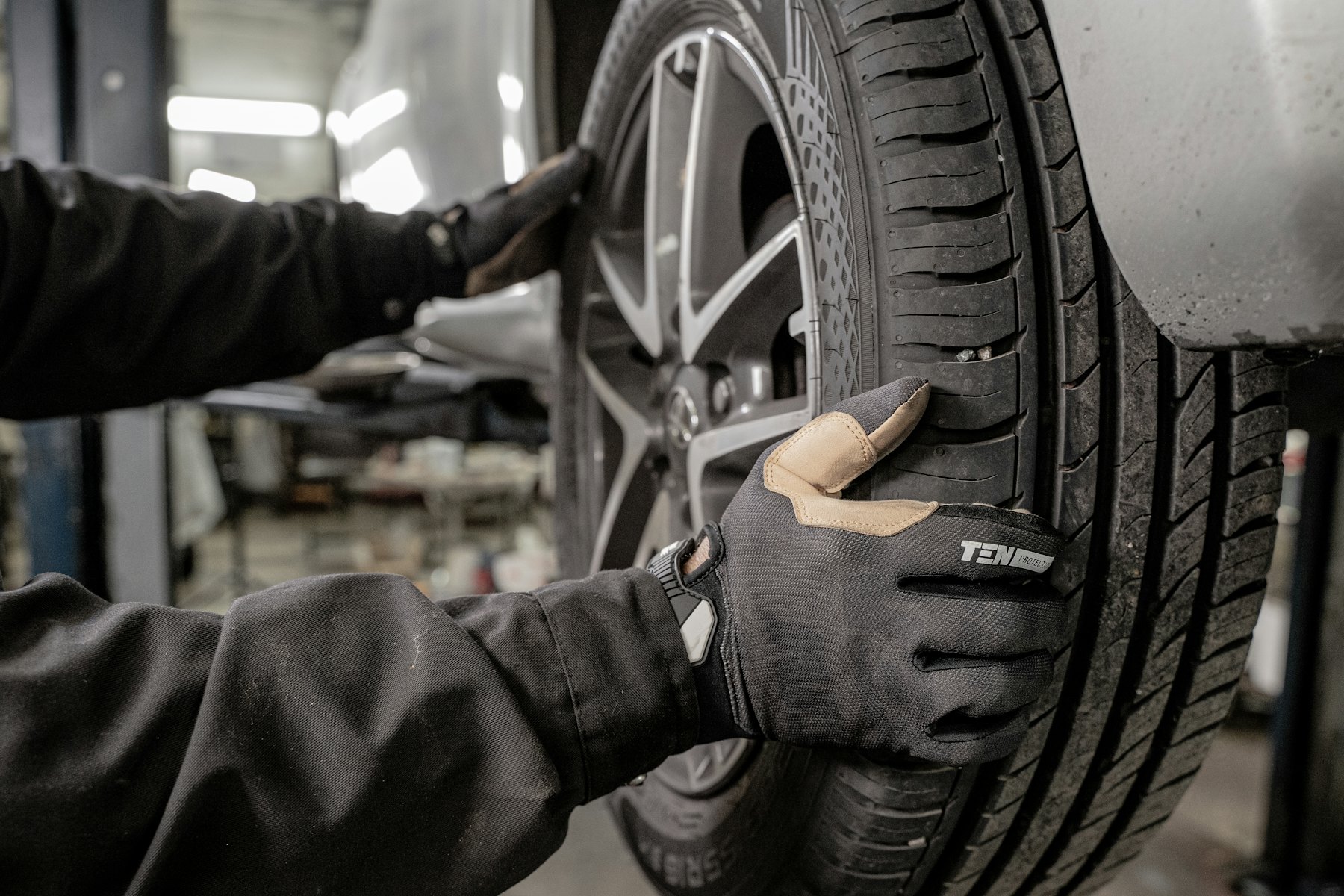
What you lose when that light stays on
Plenty of people drive for months with an ABS light because the vehicle feels completely normal. It does feel normal, right up until the moment it matters. The hydraulic brakes are untouched and will stop you the way they always did. What has gone is the system that pumps the brakes faster than any foot can, so instead of the wheels modulating on a wet off ramp they lock, and a locked wheel does not steer.
On a damp morning coming down into Vallejo, or on the descent toward the Carquinez Bridge behind traffic, that is the difference between a controlled stop and a slide with no steering. Stability control and traction control usually switch off alongside ABS too, because they all read the same wheel speed signals. One failed sensor can take three systems with it.
Still safe to drive?Normally yes, carefully, in dry conditions. Your service brakes work. Treat wet roads and long downgrades with a lot more room than usual until it is fixed.
What it usually isA wheel speed sensor, a corroded sensor connector, a damaged reluctor ring, a chafed sensor lead at the wheel, or a wheel bearing with a sensor built into it.
What you payYou hear a price before work starts, and reading the module is charged as the short job it is when that is all it turns out to need.
Four sensors, one corroded plug, the whole system down
ABS works by comparing wheel speeds. Each wheel has a sensor reading a toothed ring, called a reluctor or tone ring, that spins with the hub. The module watches all of those signals and looks for one wheel slowing much faster than the others, which means it is about to lock. Take away one signal and the comparison is worthless, so the module does the responsible thing: it shuts the system off and turns the light on.
That is why a single fault disables everything rather than three quarters of it. And the most common single fault is not a dead sensor at all. It is the connection to one. Those sensors live at the wheel, in spray, brake dust, grit and salt, with a short lead running past suspension components that move constantly. Connectors fill with water and corrode. Leads chafe where they pass a bracket. A sensor face packs with metal debris until it cannot read the teeth.
The ring itself matters too. Rust can lift and crack a pressed on reluctor, and teeth get damaged during other work at the hub. A ring with damaged teeth produces a signal that looks fine sitting still and goes erratic at road speed, which is the sort of fault that only shows up when the vehicle is actually moving.
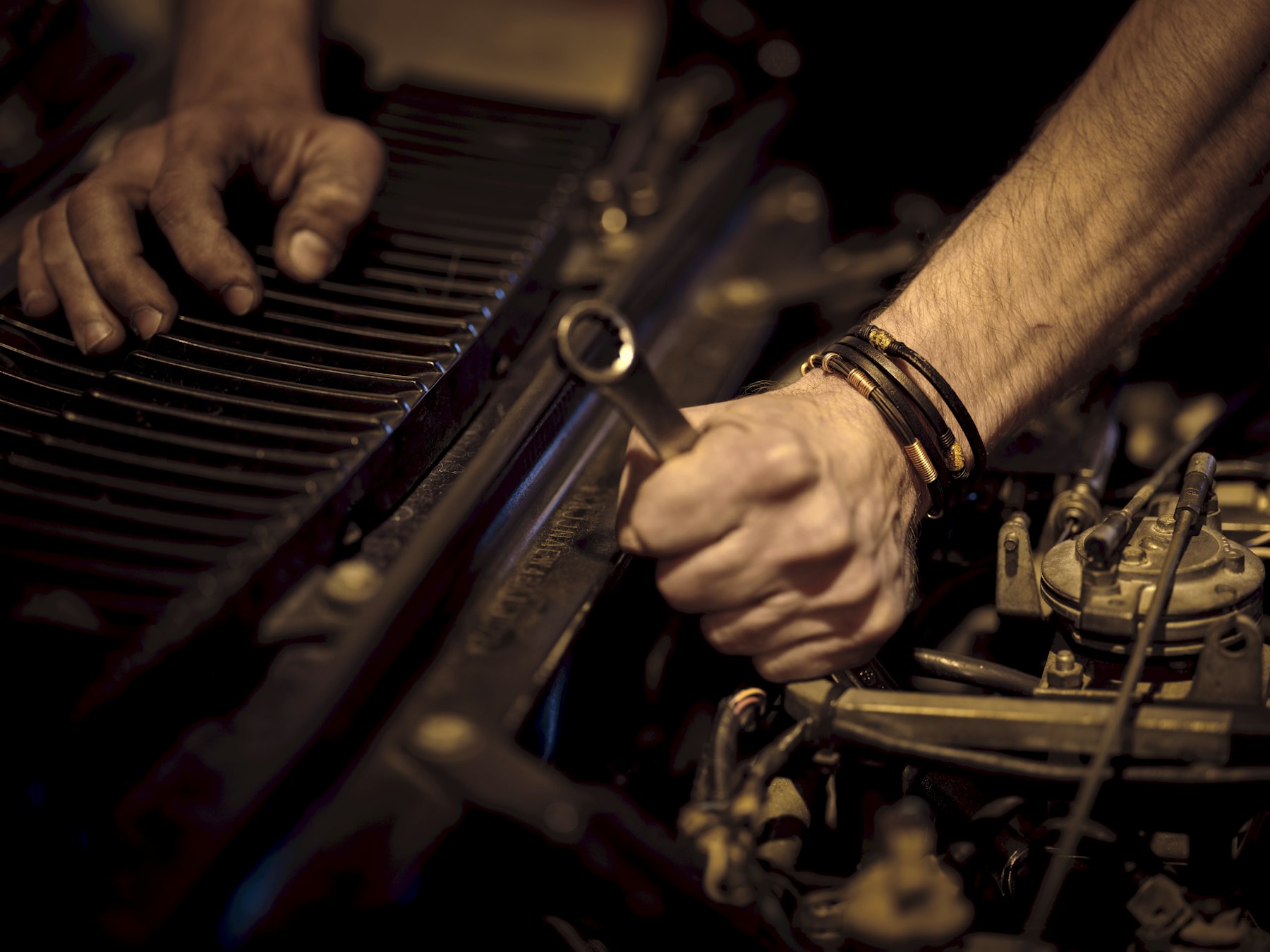
A code tells you which corner to look at. It does not tell you what to buy.
Patrick Freeman, owner
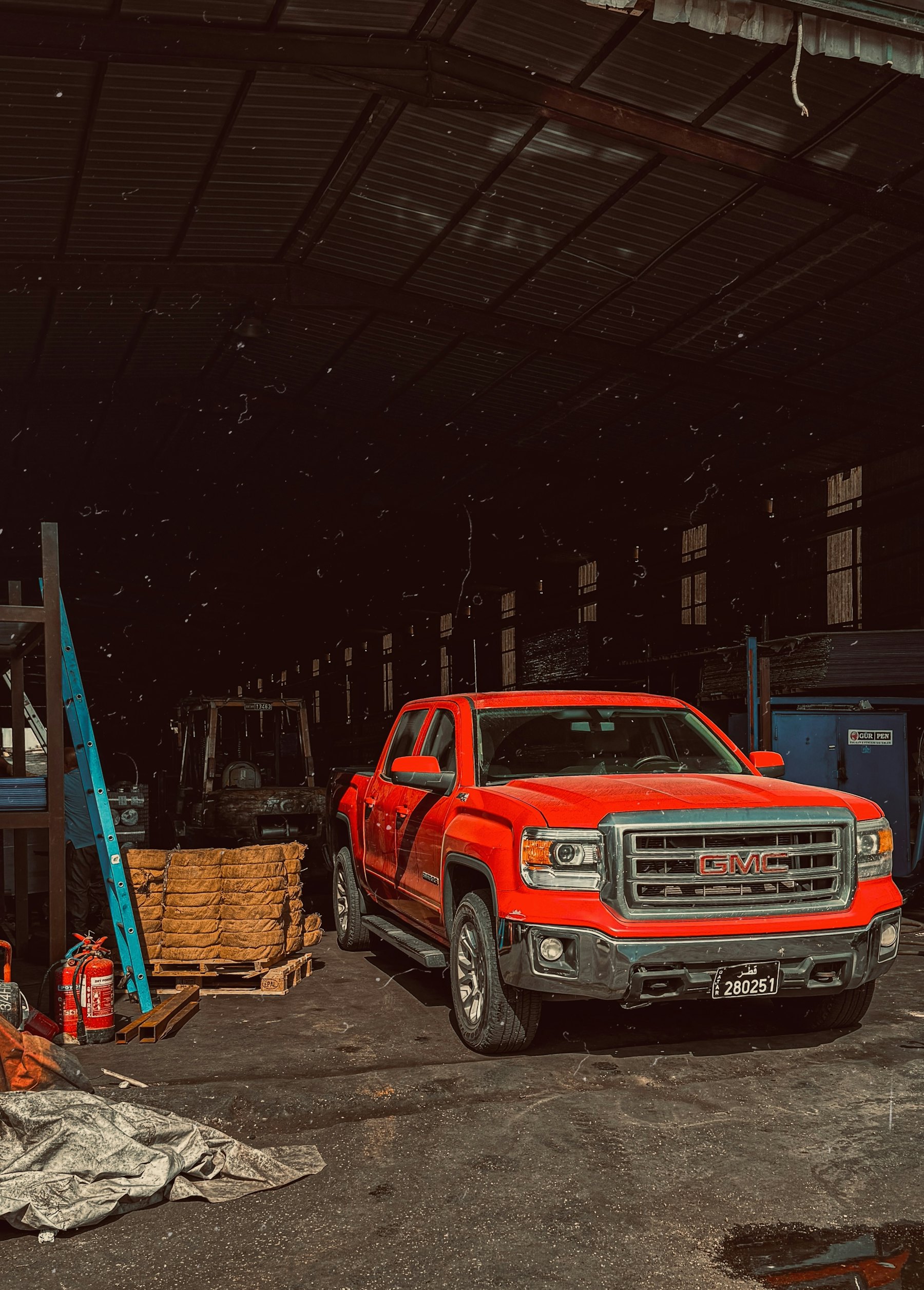
On a commercial rig it is also a compliance problem
For a car, a lit ABS light is a safety issue and an inconvenience. For a truck or trailer it is both of those plus a violation waiting to be written. Air braked vehicles and the trailers behind them carry their own antilock systems, and an inoperative one is the kind of thing that gets noticed at a weigh station or during an annual inspection. Nobody wants to discover it there.
Trailer systems are worse for faults than trucks, and the reason is simple: everything is outdoors and low to the road. The trailer lamp is meant to light briefly and go out. When it stays lit, it is usually a sensor lead damaged along the frame, a connector full of water, or a power feed problem coming through the cable from the tractor rather than a failed module.
Because we are mobile, this gets sorted in the yard before a unit rolls, rather than after an inspector has already written it up. If you run several units, catching ABS lamps during routine checks is far cheaper than catching them at the scales. Take a look at the kind of calls we get sent to.
What an ABS fault often turns into
Sometimes the answer is a sensor. Often it is the wiring going to one, or something at the wheel that the sensor is simply reporting honestly.
Wheel bearing replacement
Many modern hubs carry the speed sensor inside the bearing, so a rough bearing and an ABS light arrive together.
Wiring repair
Sensor leads run past moving suspension in constant spray, and a chafed lead is one of the most common causes of all.
Vehicle electrical diagnostics
When the module itself is not communicating, the question becomes power, ground and network rather than brakes.
Brake inspection
While the wheel is off, pads, rotors, hoses and hardware get looked at properly instead of on the next visit.
Air brake repair
On air braked trucks and trailers the antilock system sits on top of the foundation brakes, and both get checked together.
BIT and FMCSA inspections
Where a lit ABS lamp is found, recorded and fixed before it becomes something written on a roadside report.
Common questions about a lit ABS lamp
Here are the ones that come up on nearly every call. For anything else, pick up the phone and ask.
Is it safe to keep driving with the ABS light on?
Your normal brakes are unaffected and will stop the vehicle, so short careful trips in dry conditions are generally reasonable. What you have lost is the system that prevents wheel lockup in a panic stop, and usually traction and stability control along with it. Leave much more following distance, take wet roads and steep descents seriously, and get it looked at rather than living with it for months.
The light goes off sometimes and comes back later. What does that mean?
That usually points at a connection rather than a failed part. A corroded sensor connector, a chafed lead that only opens when the suspension moves, or a sensor sitting slightly too far from its ring will all produce a signal that comes and goes. The module tests itself at every start, so a fault that clears on one trip and returns on the next is behaving exactly like an intermittent electrical connection.
What is the difference between a stored code and an active fault?
A stored code is history. It records that the module saw a problem at some point, and the problem may well be gone. An active fault is happening right now and is why the lamp is currently lit. We read both, clear the stored ones where appropriate, and then see what comes back, because chasing a fault that was fixed months ago is a good way to spend money on nothing.
Can you test this without driving the vehicle around?
Partly. A lot is visible at a standstill: sensor resistance, the signal produced by turning a wheel by hand, connector and lead condition, and module communication. Some faults only appear at road speed, and for those we watch live wheel speed data while the vehicle moves so the corner that drops out identifies itself. Either way the testing happens at your location.
Do you work on trailer ABS as well as trucks?
Yes, and trailers are a regular part of this. They carry their own antilock system, their own module and their own warning lamp, and faults there are usually damaged sensor leads along the frame, water in a connector, or a supply problem arriving through the cable from the tractor. We can test the trailer independently of whatever is pulling it.
Does a new sensor always fix it?
No, and fitting one blind is a common way to waste a part. The sensor reports what it sees, so a damaged or rusted reluctor ring, a sensor bore packed with scale, excess bearing play or a broken wire will all make a perfectly good sensor look guilty. We test the signal and inspect the ring before anything is replaced, which is often the difference between one visit and three.
Get the safety system switched back on.
Tell us the vehicle, whether the lamp is steady or comes and goes, and whether anything else lit up with it. That usually narrows the corner before we arrive. You will hear what the job runs and when we can be there, at any hour, from the person who will be doing the work.
HoursMonday to Sunday, 24 hours
Based inAmerican Canyon, CA
Brakes and beyondBrake inspection · Air brakes · Contact