
Stopped in Woodland. Fixed in Woodland.
From American Canyon, east on 80 past Vacaville. Calls come off I-80, Highway 113 and the streets either side of them. With row-crop and seed agriculture around town, the same handful of failures come up again and again. One call and Patrick is on the road.
- East on 80 past Vacaville
- Open 24 hours, seven days
- No hourly minimum
- Cars, trucks, farm and heavy equipment
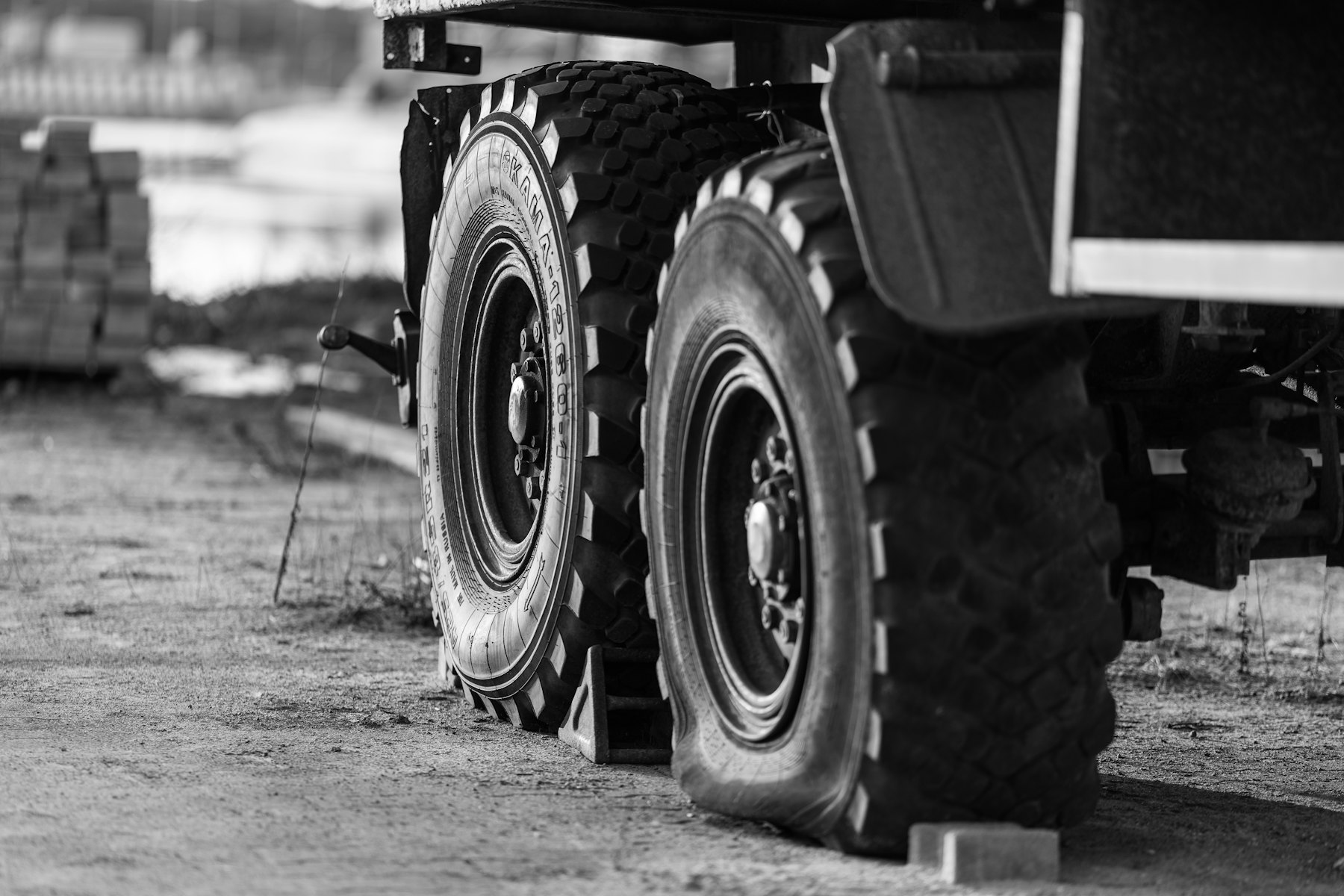
We run out of American Canyon, and east on 80 past Vacaville. We come in on I-80, which is why we can tell you a window on the phone instead of asking you to wait and see. Whatever is stopped in Woodland, it gets diagnosed and in most cases fixed at the roadside, and where it genuinely cannot be you get a straight answer rather than an afternoon of hopeful attempts. That local knowledge is the whole product: anyone can own a toolbox, but knowing what I-80 does at five on a Friday is what makes the arrival time real. We would rather arrive with the part than book a second trip, so we ask what the vehicle is doing before we load up for Woodland.
How a call from here actually goes
First contact
No call center in between. Say whereabouts in Woodland you are and what it is doing, and you are talking to the person who will turn up.
We price it
Cost and timing settled before we move. Where the repair is not worth the money we will tell you that instead of driving out.
We set off
In on I-80 normally, traffic depending.
Found, not guessed
We find the actual fault before anything is replaced, which is the part most roadside outfits skip.
It gets fixed or it gets a plan
Most of it is finished at the roadside. Where it cannot be, you get a straight answer about what happens next.

Equipment, not just vehicles
A lot of shops will not touch farm machinery. We will, and in Woodland that is most of the reason the phone rings.
In practice that means tractors, gators, sprayers and the implements behind them, diagnosed where the machine is standing rather than after somebody has paid to move it.Which in this area means tractors, gators, sprayers and the implements behind them, and the awkward part is almost never the repair itself but getting a working mechanic to where the machine actually is.
Practical detail
What Woodland does, and what that breaks
What a town does for work decides what breaks in it. In Woodland that means row-crop and seed agriculture, and the failures follow from it.
Add UC Davis to that and you get vehicles that work hard on a schedule somebody else set, which is exactly the situation where a breakdown costs more than the repair.
So the van is packed for what this area actually breaks, rather than for an average that fits nowhere and leaves you waiting on a second trip.
The work that is not an emergency
The emergency calls are how people meet us. The scheduled work is what they come back for in Woodland.
Oil and filter services, brakes, batteries before they die, inspections, and the small faults that are cheap now and expensive later. Done at your house or your yard, at a time that does not cost you a day.
Ask before it gets expensive
If you are weighing whether it is worth a call, that hesitation is worth addressing.
The call costs nothing. If it is something you can safely drive on, we will tell you that and you can get on with your day. If it is not, you have found out before it became a tow and a much larger repair.
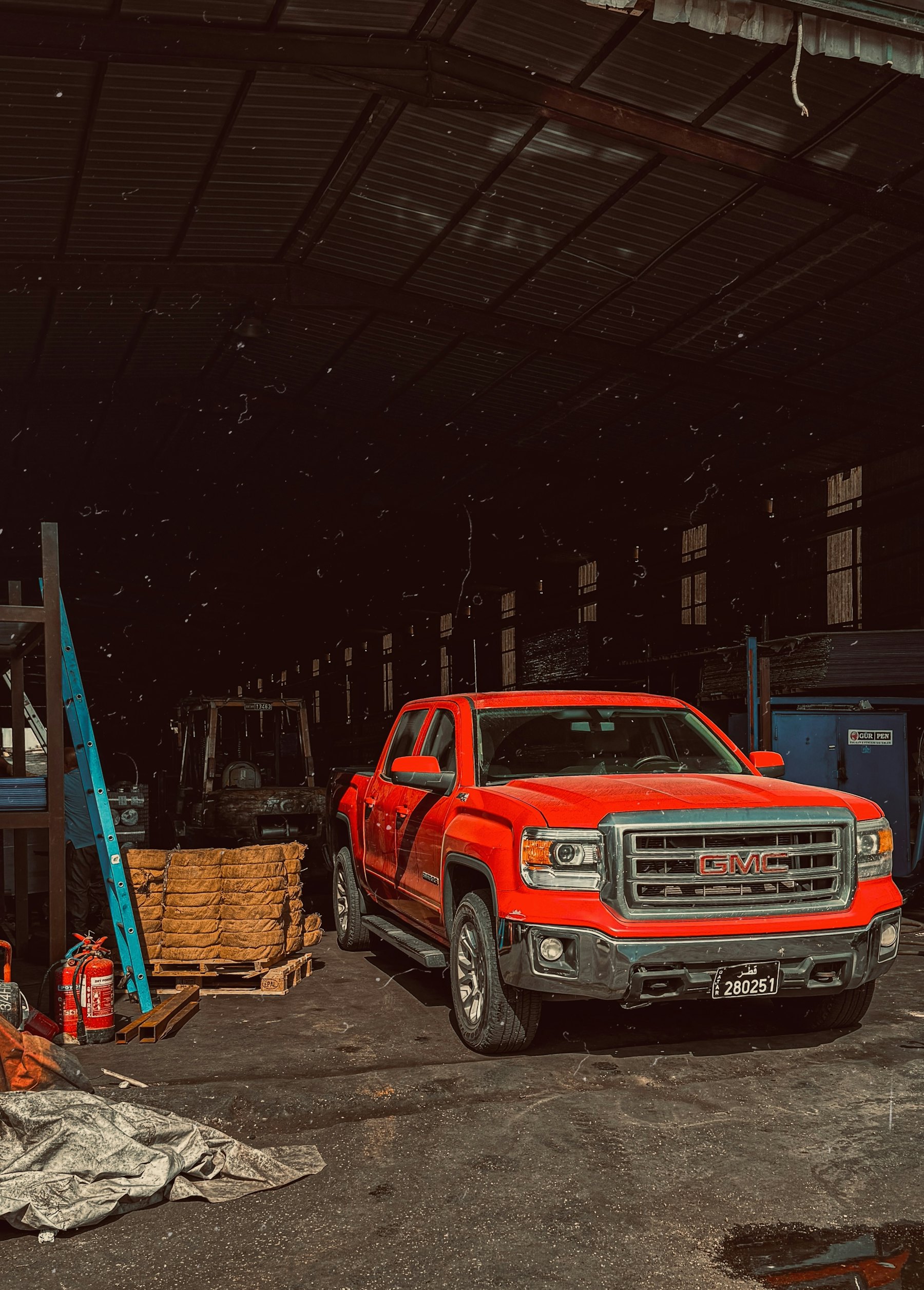
Getting to you in Woodland
I-80 is the spine of this. It is how we get to you and it is where a good share of the breakdowns happen, because it is the road everything in Woodland uses.
Off that, Highway 113 and County Road network take the rest. Knowing which of them is moving at a given hour is the difference between a thirty minute arrival and an hour of it.
Before a tool comes out we deal with position and visibility, because most of the danger on a call like this is other drivers.
Woodland and its neighbors
Around here
Woodland is not an island. These are the towns we reach on the same kind of notice.
Distance on a map and time on the road are different things around here. Every town page says which one applies, and what I-80 is doing at the hour you call.
There is also the whole of Yolo County and the full service area.
Questions we get from Woodland
Short answers. The phone is faster if yours is not here.
How quickly can you get to Woodland?
East on 80 past Vacaville. You get a real window on the phone before we set out, based on what I-80 is doing at that hour rather than a number that sounds good.
Do you charge a minimum to come out to Woodland?
None. You are quoted for the work itself, agreed before anything starts, and a short job stays a short job on the invoice. That is deliberate: a minimum charge punishes exactly the early call that would have kept the repair cheap.
What hours do you answer?
Every hour there is. The late calls are a real part of the work rather than something we tolerate, which is why somebody actually picks up.
Can you work on row-crop equipment?
Yes. Woodland being row-crop and seed agriculture country is exactly why we carry what we carry. Cars and trucks are the baseline; farm machinery, heavy equipment and fleet vehicles are the rest of the week.
Do I need to get the vehicle somewhere first?
No. That is the point of a mobile mechanic. If it is in a driveway, a yard, a parking space or on a shoulder, that is where we work on it.
Do you charge more to come out to Woodland at night?
No. Nights, weekends and holidays are the same rate as a Tuesday morning. The hours when nobody else answers are most of the reason this business exists, and charging a premium for them would defeat the point.
Do some jobs still end up at a garage?
It happens, and you will hear it as soon as we know. A diagnosis you can trust is worth having even when the repair has to move indoors.
Woodland, day or night.
No queue and no script. Call from Woodland, say what is wrong, and get a price and a time before anything is agreed.