
The mechanic who drives to Lathrop instead of towing it away.
East through the Altamont. I-5, Highway 99 carry most of the trouble we get called to here. This is Central Valley agriculture country, so the faults have a pattern to them. One call and Patrick is on the road.
- East through the Altamont
- Open 24 hours, seven days
- No hourly minimum
- Cars, trucks, farm and heavy equipment
The honest answer about how quickly we reach Lathrop is geography: east through the Altamont. I-5 is the way in, and knowing that road at every hour is what makes the window we quote worth something. What we get called to here follows from what the town is: Central Valley agriculture, distribution warehousing at Tracy and Lathrop. It also means we know where in Lathrop a vehicle can safely be worked on and where it cannot, which matters more than people expect. We would rather arrive with the part than book a second trip, so we ask what the vehicle is doing before we load up for Lathrop.
Ask before it gets expensive
A fair number of Lathrop calls open with somebody saying they are not sure this counts as a real problem.
There is no charge for the conversation. Describing the noise to somebody who works on these every day usually settles it in a minute.
What Lathrop does, and what that breaks
Lathrop runs on Central Valley agriculture. That shapes the call list more than anything else.
Add distribution warehousing at Tracy and Lathrop to that and you get vehicles that work hard on a schedule somebody else set, which is exactly the situation where a breakdown costs more than the repair.
The practical upshot is that we carry parts for the failures this area actually produces rather than a generic van load.
Pickup points and regular stops
What we get called out for in Lathrop
The Lathrop call list does not vary much. These are the regulars.
Brakes that started making noise
Pads and rotors get done in a driveway or a yard as readily as in a shop, and we would rather look at it early than after something seizes. In Lathrop these come in off I-5 more than anywhere else.
No-starts with no obvious cause
Starter, alternator, fuel delivery or something electrical. We test rather than guess, which is what stops you paying for the wrong part. With Central Valley agriculture in the mix, this one repeats more here than it should.
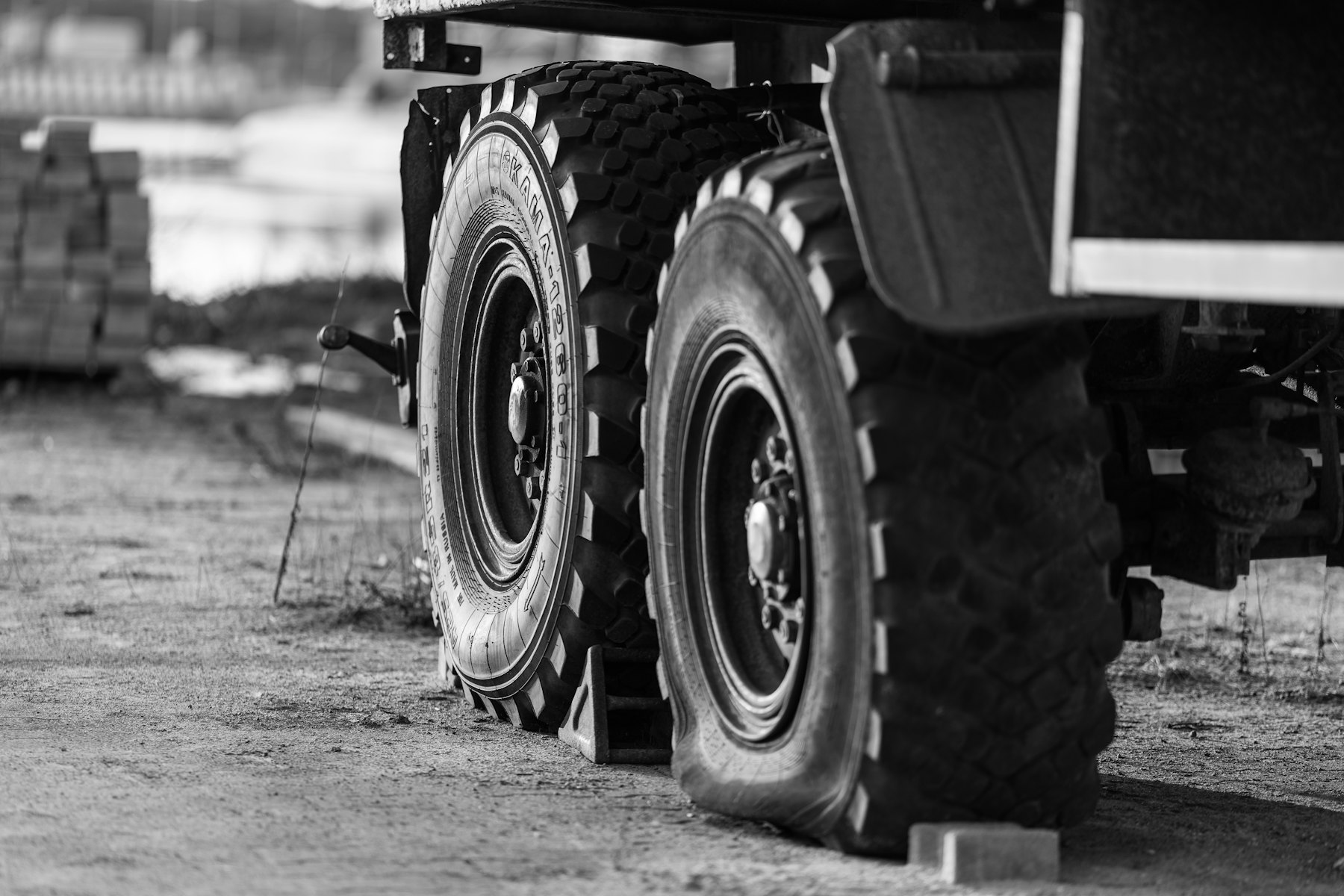
Flat and shredded tires
Changed on the spot where there is a usable spare, and where there is not we can talk through the next step before anybody calls for a tow. Nothing exotic, and it is finished at the roadside most times.
Batteries that died overnight
A vehicle that turned over fine yesterday and does nothing today is usually the battery or a corroded terminal, and both get handled at the roadside. In Lathrop these come in off I-5 more than anywhere else.
Trailers that will not roll
Bearings, lights, brakes and couplings, including on a shoulder when the load still has somewhere to be. We carry the parts for it because Lathrop asks often enough.
The work that is not an emergency
Not all of this is roadside. A good share of what we do in Lathrop is arranged in advance.
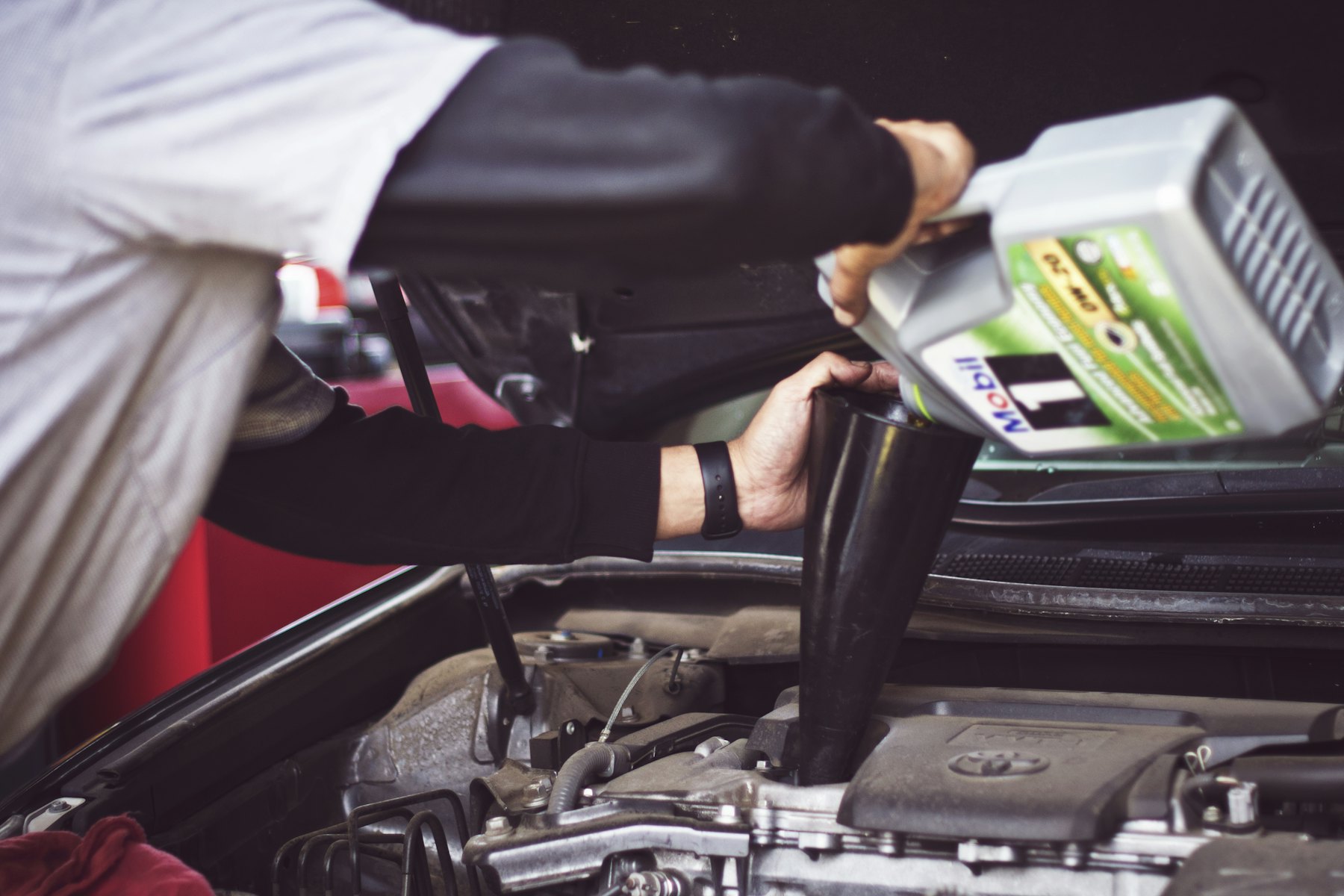
Routine servicing, inspections and the catch-it-early repairs. The advantage of a mobile mechanic is that the vehicle keeps working while it waits for its slot.
Equipment, not just vehicles
Farm machinery is where a mobile mechanic earns the description, because moving it to a workshop is the expensive part.
That covers tractors, gators, sprayers and the implements behind them, diagnosed and repaired on site.
Getting to you in Lathrop
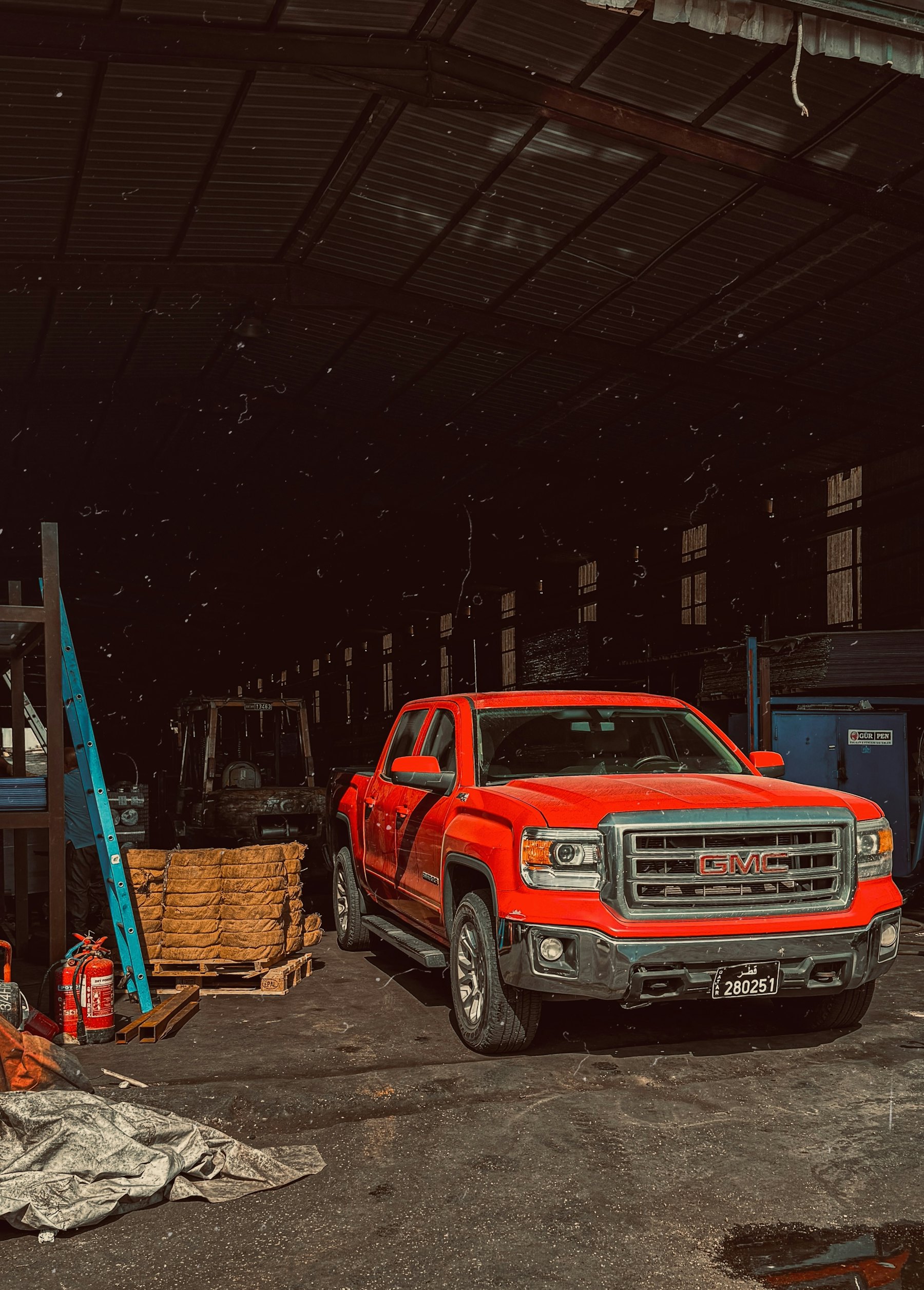
I-5 is the spine of this. It is how we get to you and it is where a good share of the breakdowns happen, because it is the road everything in Lathrop uses.
We also work Highway 99 and I-205 regularly, and we pick between them by time of day rather than distance.
Roadside work has one rule before any diagnosis: get the vehicle and the people in a position where traffic is not the biggest hazard.
Lathrop and its neighbors
Around here
Lathrop is not an island. These are the towns we reach on the same kind of notice.
Distance on a map and time on the road are different things around here. Every town page says which one applies, and what I-5 is doing at the hour you call.
Wider still, the rest of San Joaquin County and the full service area.
Questions we get from Lathrop
Short answers. The phone is faster if yours is not here.
How quickly can you get to Lathrop?
It depends on the hour, and we will tell you honestly. East through the Altamont. That window is what we plan around, not a promise made to end the call.
Do you charge a minimum to come out to Lathrop?
None. You are quoted for the work itself, agreed before anything starts, and a short job stays a short job on the invoice. That is deliberate: a minimum charge punishes exactly the early call that would have kept the repair cheap.
What hours do you answer?
Every hour there is. The late calls are a real part of the work rather than something we tolerate, which is why somebody actually picks up.
Can you work on Central equipment?
Yes, and it is a large part of the work here. Central Valley agriculture means machinery that cannot easily be moved, which is the case a mobile mechanic exists for.
Do I need to get the vehicle somewhere first?
No. Wherever it stopped in Lathrop is where we start, whether that is a roadside space, a work yard or a field gate.
Is a weekend call to Lathrop priced differently?
There is no night surcharge. A two in the morning call is billed like any other, which is the only arrangement that makes sense when the whole promise is that somebody picks up.
What happens if it cannot be fixed in Lathrop?
It happens, and you will hear it as soon as we know. A diagnosis you can trust is worth having even when the repair has to move indoors.
Lathrop, day or night.
No queue and no script. Call from Lathrop, say what is wrong, and get a price and a time before anything is agreed.