Help on the shoulder, not a queue and a two hour wait.
A flat on the I-780 approach, keys locked in a car at the ferry lot, nothing at all when you turn the key on a damp morning. We are based in American Canyon at the top of the city, so the drive here is short and the fix usually happens where you stopped.
- Open 24 hours, seven days
- No hourly minimum
- A price before the truck leaves
- Cars, trucks and trailers

Breaking down on the freeway through town
I-80 runs along the eastern side of the city and I-780 cuts across toward Benicia, and between them they produce most of the after-hours calls that come from Vallejo. The on-ramps at Redwood Parkway and Tennessee Street are the ones we hear about most often, because a car that has been running rough all week tends to give up when it has to accelerate onto a busy freeway from a standing start.
The Carquinez Bridge approach is its own category. Traffic backs up on that grade, there is nowhere generous to pull over, and a vehicle stopped there is a safety problem before it is a mechanical one. Those calls get priority, and the truck is parked to shield your vehicle from the live lane while the work happens. If the spot is genuinely too dangerous to work in, we will tell you that instead of pretending otherwise.
The usual spotsThe I-80 on-ramps at Redwood Parkway and Tennessee Street, the I-780 stretch toward Benicia, the Carquinez Bridge approach, the ferry terminal lot, and Sonoma Boulevard.
Typical callA jump start that turns out to be a corroded terminal, a lockout, a flat with sidewall damage, or a car that started fine this morning and died on the freeway tonight.
What it costsA real number before we roll, and no hourly minimum on any of it. Send the details if you are somewhere safe and it can wait.
The ferry lot and the port blocks have their own problems
- Keys shut inside at the terminalA commuter comes back from San Francisco in the evening and the keys are sitting on the seat. That is a call we take regularly, and it ends in the parking space rather than with a tow.
- A flat in a parking stallChanging a wheel in a lot is straightforward, but plenty of cars now carry a sealant can instead of a spare. Sidewall damage will not seal, which is the point at which the can stops being useful.
- A car that sat all day in salt airThe strait puts salt into every terminal and cable end. A large share of the no-start calls down here are connection faults rather than dead batteries.
- Work vehicles in the waterfront blocksVans and contractor trucks parked around Mare Island and the industrial streets. Same jobs, bigger inconvenience if they sit until morning.
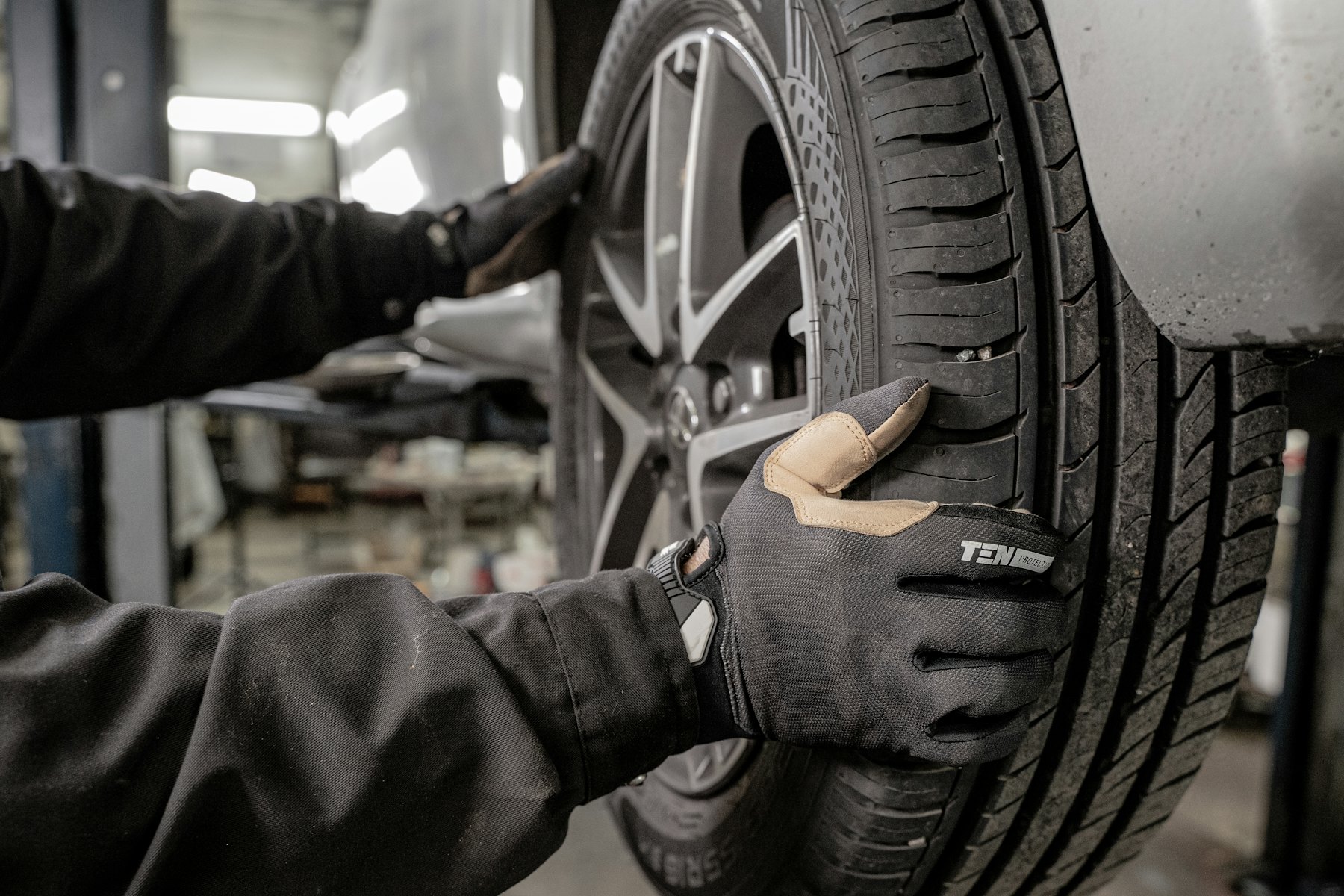
What gets solved where you stopped
These overlap constantly. A jump start that will not hold is a charging fault, and a flat that keeps going down is usually a bead or a valve rather than the tire.
Roadside assistance
The parent service and everything under it. Jump starts, lockouts, flats, fuel delivery and on-the-spot diagnosis, anywhere in the city.
Battery replacement
When the jump start proves the battery is finished rather than flat. Tested first, replaced in the space you are parked in.
Mobile auto repair
Once the vehicle is drivable but the underlying fault is not fixed. Starters, alternators, sensors and the rest, at your house or your workplace.
Flats and wheels
A proper wheel change on the shoulder with the truck positioned as a shield, or a spare fitted in a lot. Shredded trailer tires included.
Lockouts
Doors opened without damage to the vehicle. Common at the ferry terminal and the shopping corridors off Sonoma Boulevard.
Fuel and fluids
Running dry on a freeway stretch happens more than people admit. Enough fuel to get you to a station, or the fluid the vehicle is actually low on.
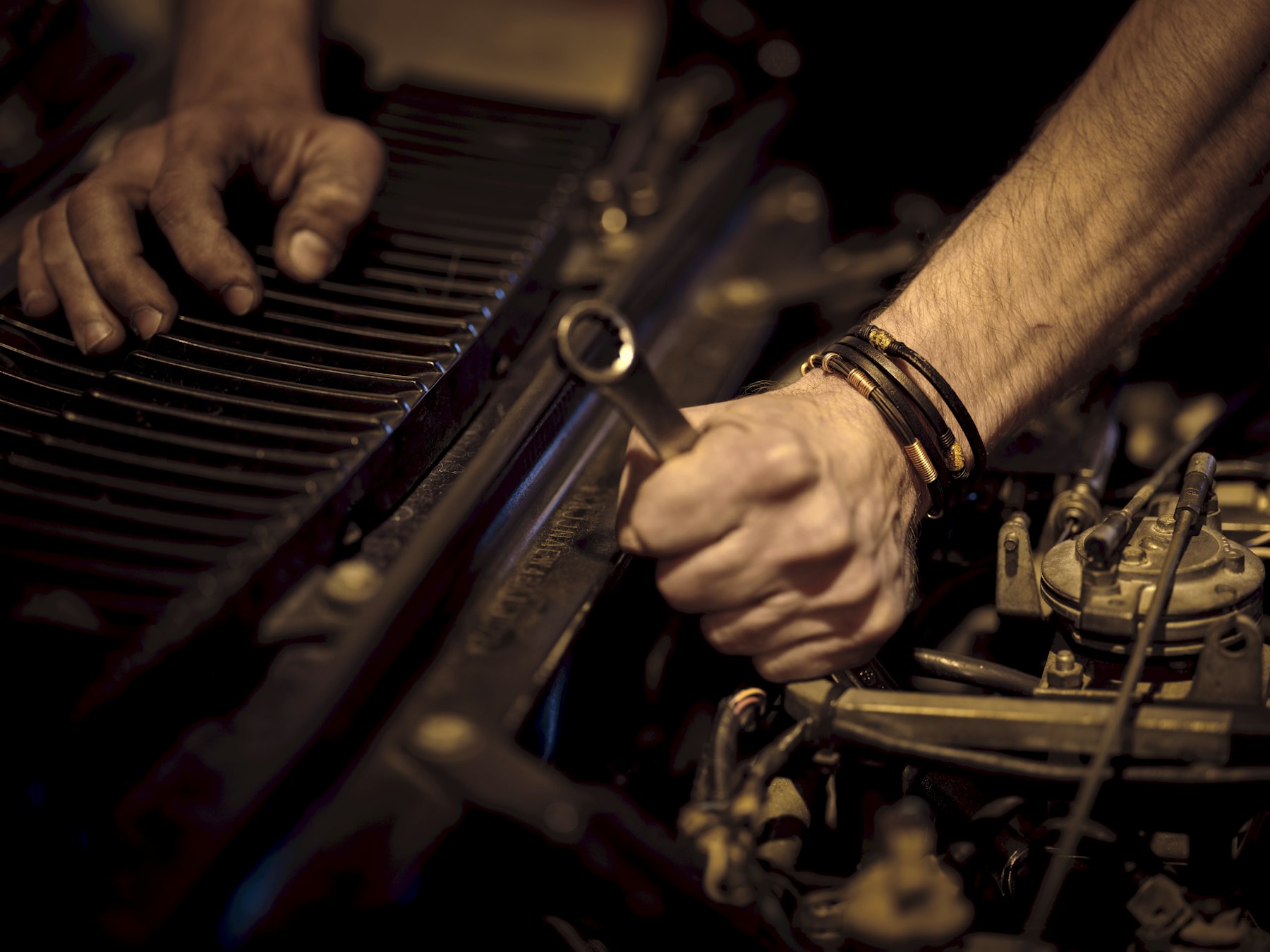
Why the first call of the day is nearly always a jump start
A battery that has been quietly failing for months will still start a warm engine in August. The first genuinely cold, damp morning is when it stops being able to, which is why the phone rings early and repeatedly through the colder half of the year. The battery did not break overnight. It reached the point where the margin ran out. Around here that is made worse by the salt in the air off the strait, which builds a crust on terminals and cable ends faster than it would somewhere inland. A crusted connection has resistance, the starter never gets the current it wants, and the symptom is identical to a flat battery.
So a jump start here is a test, not just a favor. If the vehicle fires and the charging system is healthy, you are done. If the voltage collapses the moment the cables come off, the battery is finished and we can replace it where you are parked. If it charges fine and dies again a few miles later, that is the alternator, and knowing which of the three you have is what stops you paying for the wrong part.
Fixed on the shoulder, or genuinely a tow
Honesty about this is most of the job. Nobody benefits from a mechanic who starts work he cannot finish, and nobody should pay for a flatbed when the repair takes fifteen minutes.
- Fixed where it sitsBatteries, terminals, cables, starters and alternators. Flats, including trailer tires. Fuel delivery. Belts and hoses on most vehicles. A stuck caliper that is dragging a wheel.
- Usually fixed, sometimes notFuel pumps and fuel delivery faults depend on where the pump lives and whether the tank has to come down. We will know within a few minutes of looking and we will say so straight away.
- Worth diagnosing on site either wayAn overheat. Finding out whether it is a hose, a thermostat, a fan or a head gasket decides whether you drive home or wait for a truck, and that answer is worth having before anybody is dispatched.
- Genuinely needs a towA brake line that has let go, a broken timing belt, a seized engine, a transmission that will not engage, or a vehicle stopped somewhere with no safe working room at all.
- The call that saves the towRing before you book a flatbed. Describing the symptom on the phone costs nothing, and a good share of Vallejo callers find out their problem is the ten minute kind.
One simple promise: reliability when it matters most. No hourly minimums, and nobody sitting on a shoulder waiting for a callback that never comes.
The promise the business started with
Where we cover across the city
The whole of Vallejo, the freeway stretches on either side, and everything between here and American Canyon. See the Vallejo page for the rest of what gets done in town.
What people ask from the side of the road
Short answers. If yours is not here, calling is faster than typing.
Can you come out to a freeway shoulder on I-80?
Yes, including the on-ramps at Redwood Parkway and Tennessee Street and the I-780 stretch toward Benicia. The truck is positioned to shield your vehicle from the live lane while the work happens. If the spot you are in is genuinely unsafe to work in, we will tell you that and help you work out the cheapest way to get somewhere it is not.
My car will not start at the ferry terminal. Is that a tow?
Usually not. A vehicle that has sat all day in salt air and will not turn over is most often a battery or a corroded terminal, and both get handled in the parking space. Call before you arrange a flatbed, because paying to tow a car that needs a ten minute fix is money thrown away.
Do you do lockouts, or only mechanical work?
Both. Doors get opened without damaging the vehicle, and it is a regular call at the ferry lot and the shopping corridors off Sonoma Boulevard. It is also one of the jobs where having no hourly minimum matters most, because a short job is billed like a short job.
I have a flat but no spare. What happens?
Plenty of cars now ship with a sealant can instead of a wheel, and sealant will not fix sidewall damage or a shredded trailer tire. We carry what it takes to deal with a flat properly rather than leaving somebody on a jack at the edge of a live lane. If the tire is beyond saving we will tell you before anything comes apart.
How do I know whether it needs a tow before you arrive?
Describe the symptom on the phone. A vehicle that cranks but will not fire, one that is dead silent, or one that died on the freeway after running fine all day are three different faults with three different answers. Most of them are fixable where you stopped, and you will get a straight answer rather than a dispatch.
Is there an extra charge for coming out at night?
No. The visit and the repair are one figure, quoted before anything starts, with nothing billed by the hour and no different number for three in the morning. The whole reason this business exists is that the owner watched too many people get quoted one number and billed another.
Stopped somewhere in Vallejo? Call before you book a tow.
The phone reaches the mechanic directly, whatever hour it is. Tell us where you are parked, what the vehicle did, and whether you are somewhere safe. You will have a price and a real arrival window before we hang up, and more often than not you will drive away yourself.
HoursMonday to Sunday, 24 hours
Based inAmerican Canyon, CA
ElsewhereGallery · Diesel work · Contact