
A parked van earns nothing. So we service it where it sleeps.
Oil, filters, fluids, belts, brakes and the walkaround that catches the rest, performed on your lot at the hour your vehicles are actually sitting still. Freeman Roadside Repair services fleets across Napa, Solano and the East Bay without anyone driving anywhere.
- Open 24 hours, seven days
- No hourly minimum
- A real number before we roll
- Vans, pickups, box trucks, trailers

The math nobody puts on the invoice
Count what a shop visit really costs a working vehicle. There is the service itself, which is the small part. Then there is a driver taking the unit across town, a second person following to bring the driver back, the hours the van sits in a queue behind somebody else’s transmission, and the same trip again in reverse. All of that happens between eight and five, which is the exact window your vehicles are supposed to be earning. The repair was cheap. The day was expensive.
Mobile service removes the whole trip. We park next to the unit, do the work, and the vehicle has not moved from the space it was going to occupy anyway. For a two-van outfit that is a morning saved. For an outfit running fifteen units on a maintenance schedule it is the difference between planned downtime and a rolling shortage of vehicles every time something comes due.
What we handle on a maintenance visit is the ordinary stuff that keeps a vehicle out of trouble: oil and filter, the rest of the fluids checked and topped, air and fuel filters, belts and hoses looked over, tires and brakes measured, battery and charging system tested, lights and wipers, and a scan for anything the computer has stored but not yet turned into a dash light. Anything we find that needs parts gets priced then, not discovered later.
Who this suitsContractors with work trucks, delivery and courier outfits, landscapers, plumbers and electricians running service vans, small trucking companies, and anyone whose vehicles are the business rather than a way to get to it.
The numberYou hear a real number before we roll, and there is no hourly minimum, so a short visit is billed as a short visit.
SchedulingEarly mornings before the run, evenings after it, or weekends when the whole lot is home. Tell us your dispatch pattern and we will work around it.
A few units at a time, until the whole lot is current
Nobody can hand over their entire fleet for a day, so we do not ask. The usual pattern is two or three units a visit, worked through in whatever order suits dispatch, until every vehicle on the lot has been serviced and written up. Then it starts again at the top.
The write-up is the part that pays for itself. Every unit gets its mileage, what was done, and what was measured but left alone: pad thickness, tread depth, belt condition, battery load test result. That record is what turns next quarter into a plan instead of a series of surprises.
By the second or third pass through a fleet, the work has spread itself out. Instead of four vehicles needing brakes in the same fortnight because they all went into service the same month, the jobs land one at a time, each one scheduled, each one on a vehicle that was going to be parked anyway.
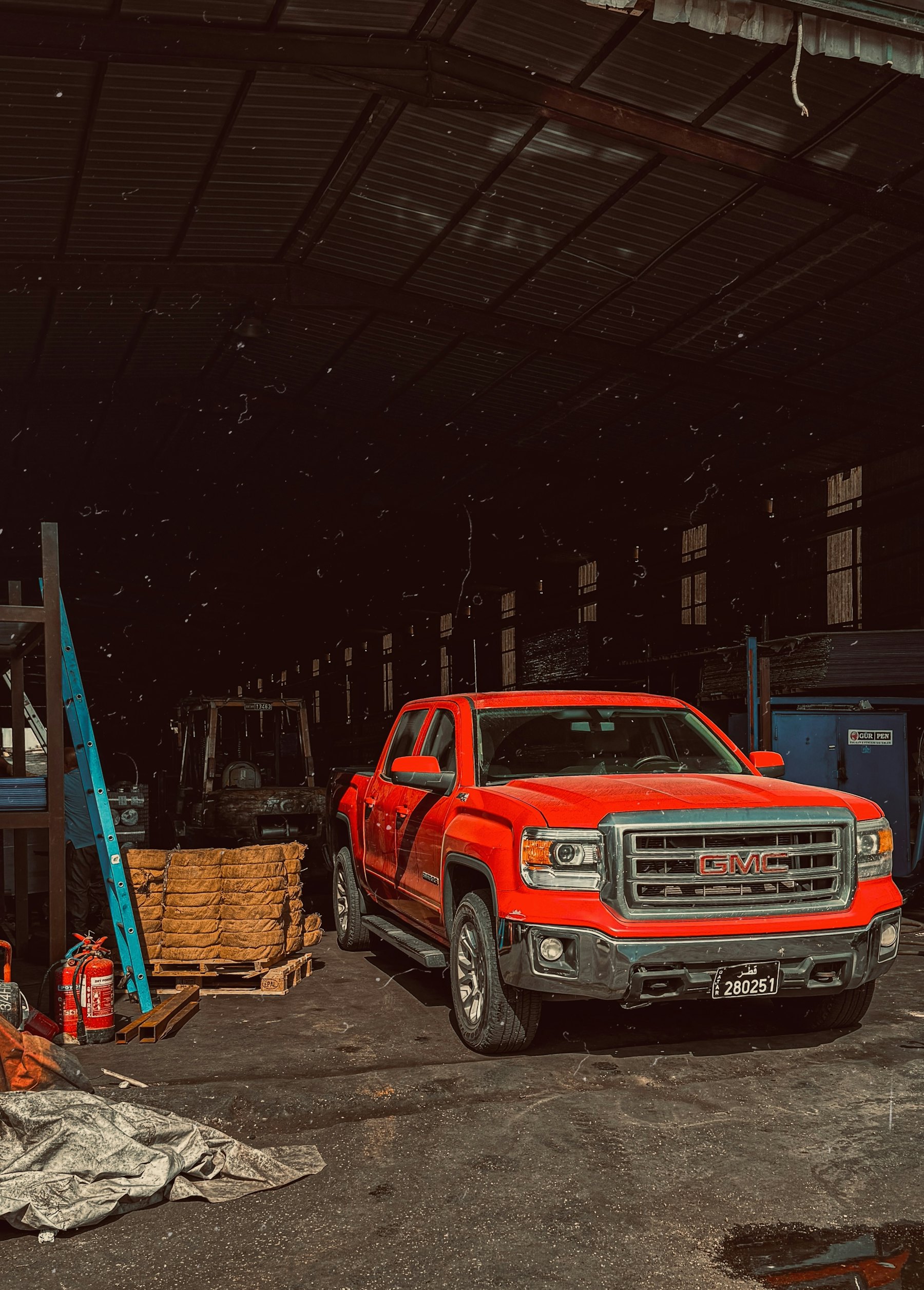
What a maintenance visit usually includes
These are separate pages because some customers only want one of them. On a scheduled fleet visit they tend to happen together, in one stop, on one price.
Mobile oil changes
The backbone of any interval. Oil and filter at your yard, with the used oil taken away rather than left in a drum by your fence.
Scheduled maintenance
The manufacturer’s interval items, done on time instead of whenever somebody notices the sticker is three thousand miles out of date.
Fluid checks and top offs
Coolant, transmission, power steering, brake fluid and washer. Cheap to check, expensive to ignore on a loaded truck.
Air filter replacement
Dusty jobsites and vineyard roads eat filters faster than the book interval assumes. We check rather than guess.
Battery testing
A load test at every visit. Most fleet no-starts are a battery that tested weak two visits before it finally quit.
Fleet diagnostics
Stored codes pulled on every unit, including the ones that have not yet lit the dash. Cheaper to read now than to chase on a shoulder.
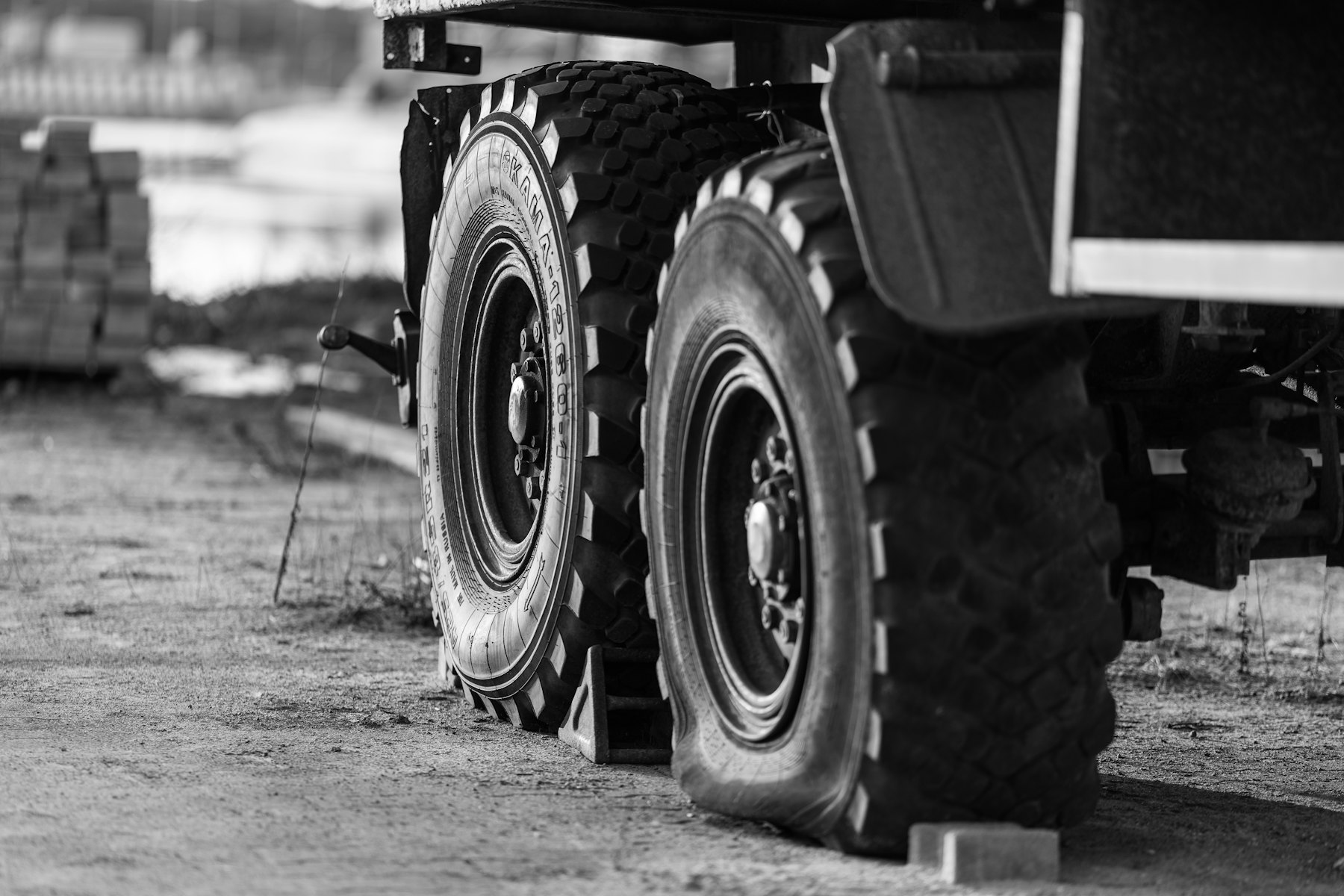
Why the hour we come matters as much as the work
Most shops keep the same hours your vehicles do, which is the entire problem. A van that runs from seven to four can only visit a shop by giving up part of a working day, and there is no arrangement of those hours that makes it free.
We are open around the clock, seven days, so the visit can land in the gap instead of the shift. Before a crew leaves in the morning. After the last drop. Saturday, when nothing is out and every unit is sitting in a row. The work takes the same time either way. It just stops costing you the route.
That flexibility is also why the maintenance actually happens. Service that requires a customer to sacrifice a working day gets postponed, and postponed maintenance is how a fleet ends up with four breakdowns in one month. Service that happens while the lot is closed does not get postponed, because nothing is being given up to allow it.
If a unit is already down rather than due, that is a different call: fleet repair covers the breakdown side, and after hours repair covers the ones that happen at an inconvenient hour, which is most of them.
How a fleet account usually starts
There is no contract to sign and no minimum number of vehicles. Most accounts start with one van and grow because the first visit was easier than the alternative.
- A call about the fleet, not a vehicleHow many units, what they are, what they do all day, and when they are actually parked. That conversation decides everything else.
- A first pass on two or three unitsWe service a handful, write down what we found on each, and you get a picture of where the fleet stands before committing to anything further.
- A rhythm that fits dispatchWhether that is every month, every quarter, or tied to mileage, the visits go in the calendar at hours your vehicles are home.
- A running record per unitMileage, work done, measurements taken. Over two or three passes it turns into a maintenance history you own rather than a folder of receipts.
- Work that spreads outItems flagged at one visit get scheduled into the next, so repairs arrive one at a time and on your terms.
The cheapest repair on any fleet is the one that got written down three months before it became urgent.
Freeman Roadside Repair
What fleet owners ask first
If yours is not on this list, one call gets a straight answer. Somebody picks up at any hour.
How small can a fleet be before this makes sense?
One vehicle, if that vehicle is how you earn. The economics do not depend on the count, they depend on whether a shop trip costs you working hours. A single plumber with one van loses a morning to a shop visit, and that morning is worth more than the service. Outfits running ten or more units get the extra benefit of a written record per vehicle, but nothing about the arrangement requires a certain size.
Do you need our vehicles all available at once?
No, and we would rather you did not offer them. The normal pattern is two or three units per visit, worked in whatever order dispatch can spare, until the whole lot has been through. That way the fleet keeps running while it gets serviced, and we are never the reason a job got covered short.
What do you need from us at the yard?
A flat space to park beside the unit and the keys. That is the whole list. The truck carries its own power, lighting, fluids and waste containment, so we are not drawing on your shop air or borrowing a drain pan. Used oil and old filters leave with us.
Can you service both light vehicles and heavy trucks?
Yes. Mixed fleets are common around here, where the same company runs pickups, a couple of box trucks and something with air brakes. The intervals and the parts differ, but the visit does not. We schedule the heavier units where they need more time and keep the light vehicles moving quickly.
What happens when you find something that needs fixing?
You hear about it while we are standing there, with a price, and you decide. Small items we usually have the parts for and can do in the same visit. Bigger ones get written down with a measurement so you can schedule the repair rather than have it schedule you. Nothing gets done to a vehicle without a yes first.
How is this different from having inspections done?
Maintenance is the work. Inspections are the record. Most fleets end up wanting both, and the same visit can cover them, but they answer different questions. If what you need is a written condition report on each unit, fleet inspections is the page for that, and the statutory side lives under BIT and FMCSA inspections.
Your lot, your hours, your schedule.
Tell us what you run and when it sits still. We will tell you what a pass through the fleet looks like and what it costs, before anybody commits to anything. One number reaches the mechanic, not a call queue.
HoursMonday to Sunday, 24 hours
Based inAmerican Canyon, CA
Also for fleetsMaintenance programs · Uptime management · Photos of the work