Opened without wrecking the door.
Anybody can get a car open if they do not care what it looks like afterward. The skill is leaving the weatherstrip flat, the trim unbroken and the door skin straight. That is the part we charge for, and the part people call back about.
- Any hour, seven days
- No hourly minimum
- What the job runs, said first
- Cars, vans, pickups, cabs
Older doors give. Newer ones argue.
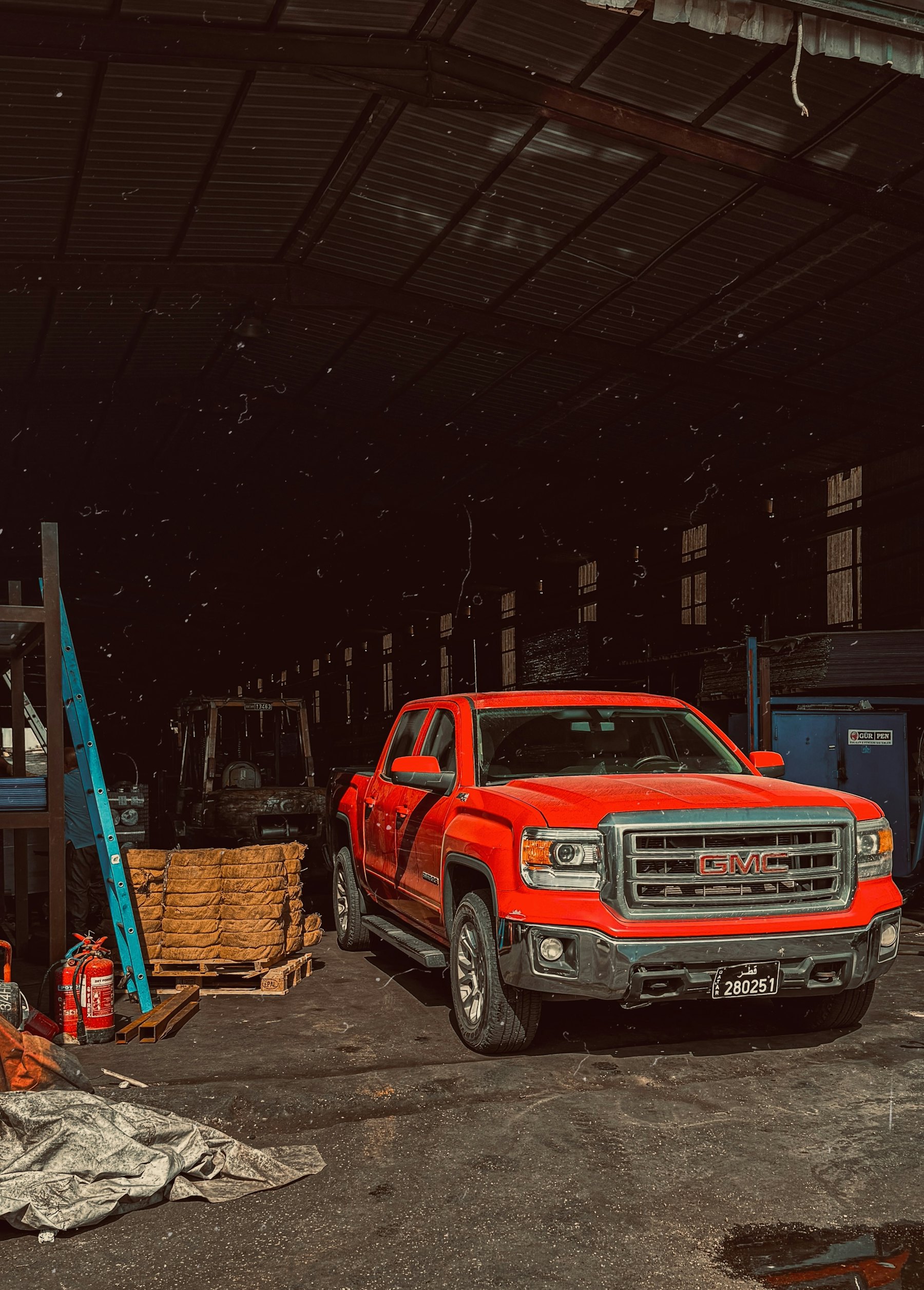
A lockout is one job with two completely different difficulty levels, and which one you have depends almost entirely on what year the vehicle rolled off the line. On a work truck from the nineties or early two thousands there is real room behind the door frame, the lock rod runs where you expect it, and a wedge plus a long reach tool gets the button up in a couple of minutes with nothing to show for it afterward.
Anything built in the last fifteen years or so fights back. The door skin is thinner and dents at a pressure you would not think twice about. The weatherstrip is a single molded piece that will not sit back down properly once it has been stretched, so the car whistles on the freeway forever after. Curtain airbags run down the pillar right where a careless tool wants to go. Some doors have the unlock built into a handle sensor with no mechanical linkage to reach at all.
So the first thing that happens on arrival is a look at the vehicle rather than a tool coming out. Which door has the most forgiving frame, whether there is a mechanical lock knob or only an electric switch, where the airbag is routed, and whether the glass has room to flex without the regulator binding. Two minutes of looking saves a body shop visit.
Have this ready on the callYear, make and model, which doors are locked, whether a window is cracked at all, and whether the engine is running. That decides which tools come off the truck.
The billYou hear a price before work starts, and it does not climb because the door turned out to be stubborn. Short jobs bill short here.
Ground coveredAmerican Canyon out through Napa and Solano most days, and regularly across the bridges into the East Bay. See where we run.
Three versions of this call, and they are not the same job
Keys sitting on the driver’s seat with the doors shut is the ordinary one. Nothing is at risk except your afternoon, so the work goes slowly and carefully. There is no reason to rush a door when the only cost of patience is a few more minutes.
Keys locked inside a running engine changes the math. Fuel is burning, and on a diesel that has been idling in a yard the temperature is climbing too. It is still no reason to force anything, because a bent door frame costs more than the fuel, but it moves the call up the queue.
Keys in the trunk is its own animal. Plenty of cars have no mechanical path from the cabin to the trunk latch once the battery is disconnected or the fob is shut inside, and a rear seat pass-through that looks promising from outside is often bolted. Sometimes the honest route is through the cabin and then the seat backs, and sometimes there is no route at all without a key cut, which we do not do.
How the door actually gets opened
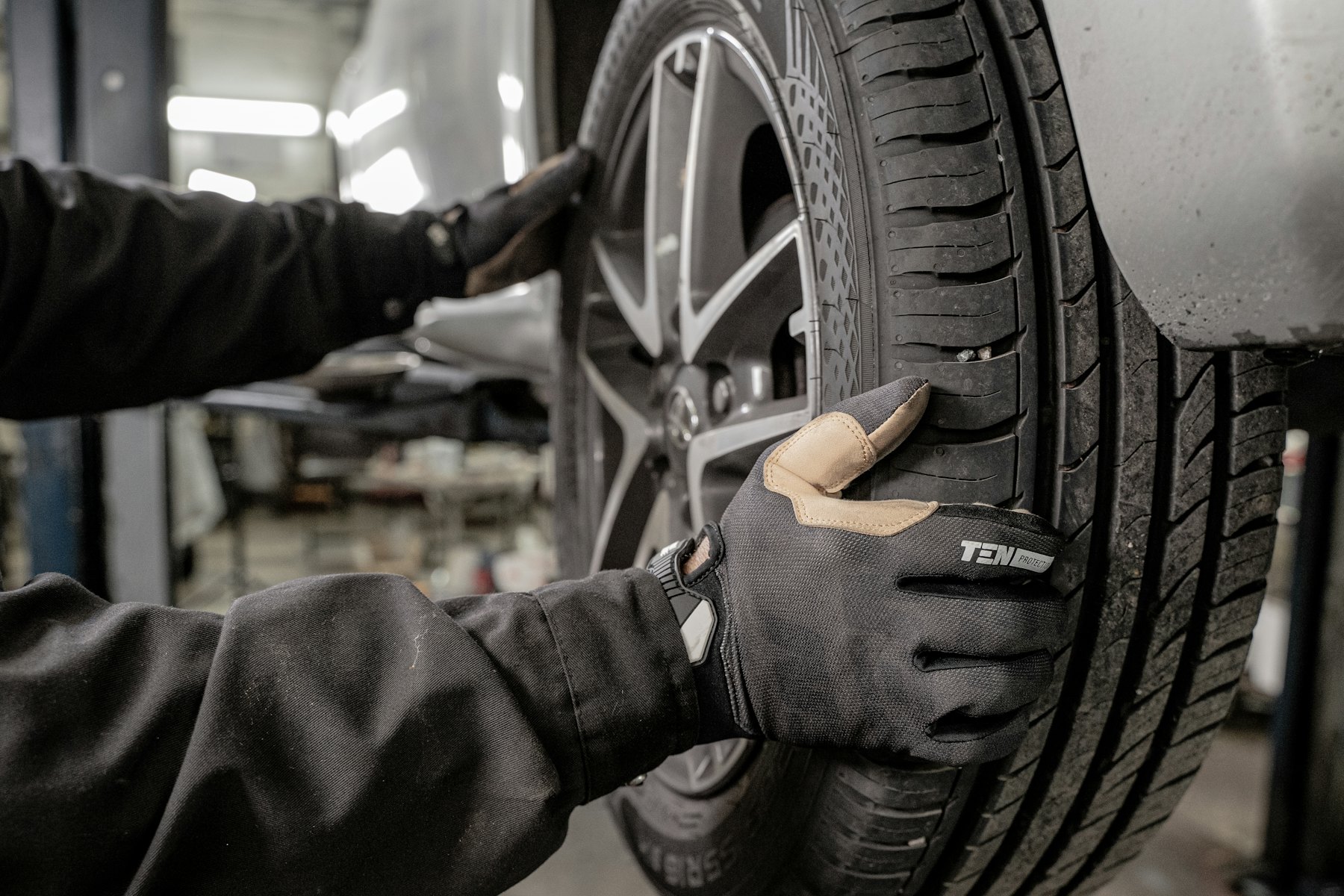
The sequence below is what a clean entry looks like. It is deliberately boring, and boring is the point.
- Pick the door, not the nearest doorThe rear passenger door is often the softest target because there is less hardware behind the frame and no airbag routing in the way. Which door you are standing next to has nothing to do with it.
- Protect the paint firstA plastic shim goes in ahead of anything rigid, so the frame never takes metal directly. This is the step people skip when they try it themselves with a screwdriver, and it is why the door never sits right again.
- Open a gap, do not create oneAn air wedge inflates slowly against the frame until there is just enough room for a rod. Slowly matters. A fast wedge bends the door at the top corner where the pressure concentrates.
- Reach the actuator the car gives youA knob, an interior handle, a lock switch or the door pull, whichever one the vehicle still operates mechanically. On cars with electric-only locks the target is usually the switch itself.
- Put the weatherstrip back and check itThe seal gets pressed flat and inspected along its whole run before we leave. A door that whistles at sixty is a failed job even though the customer got in.
The part most companies will not say out loud
Some doors we cannot open cleanly, and on those the right answer is a locksmith, not a bent door frame.
Patrick Freeman, owner
There are vehicles where the entry path simply is not there. Heavily armored door structures on certain newer models, an all-electronic lock with the battery dead so no switch will respond, a truck where the glass is fixed and the frame has no gap to work with at all. On those, forcing it means damaging something, and damaging something is worse for you than the extra call you have to make.
When that is the situation you hear it plainly, and you hear it before anything is charged for a wasted trip. A locksmith with the right gear will get you in for less than a body shop would charge to straighten what a determined roadside entry would have done. Pointing you there costs us the job and keeps you whole, which is the trade Patrick decided to make when he started this in 2022.
While we are there anyway
A lockout often arrives alongside something else that failed in the same parking lot. A mechanic is already standing there rather than a tow driver, so these usually get handled on the same visit.
Jump starts
A dead battery and a locked door arrive together more often than you would guess, especially after a door was left ajar.
Battery replacement
When the boost is only going to buy you a day, the battery gets changed where it sits.
Flat tire service
Spare mounted or the tire swapped, and a straight read on whether the sidewall is finished.
Roadside assistance
The wider service this sits inside, for everything that stops a vehicle away from a shop.
After hours repair
Nights, weekends and holidays are ordinary working time, not a surcharge line.
Wiring repair
When a lock switch or door harness is the actual fault rather than the keys, the wiring gets traced.
What people ask while standing next to the car
Standing in a lot with your keys visible on the seat is a bad time to read. The phone answers faster.
Will opening the door leave marks on my vehicle?
Done properly, no. The frame is shimmed with plastic before anything else touches it, the wedge goes in slowly, and the weatherstrip gets pressed back and checked before we leave. Damage on lockouts comes from speed and from rigid tools going in dry. If we look at a particular vehicle and think a clean entry is not realistic, you get told that instead of finding out afterward.
The engine is still running with the keys inside. Does that change anything?
It moves you up the queue, and it is worth mentioning when you call, particularly on a diesel that has been idling a while. It does not change how the door gets opened. Rushing a door frame to save a few minutes of fuel is a bad trade, so the work still goes at the pace that keeps the vehicle straight.
My keys are shut in the trunk rather than the cabin.
Tell us that on the phone, because it is a different job. Some vehicles allow a route through the cabin or a folding seat back once the doors are open, and plenty do not, especially where the trunk release is electric and the battery has gone flat. If there is no mechanical path we will say so rather than bill you for a visit that was never going to finish.
Can you make me a replacement key if mine are lost?
No. Cutting blanks and programming transponders is locksmith and dealer work, and we do not pretend otherwise. A lockout gets you into a vehicle whose keys are inside it. If the keys are genuinely gone, opening the door does not get you moving, so we would point you somewhere useful instead of taking the call.
What do you need from me before you open it?
Something that ties you to the vehicle. Registration, an insurance card, or a license matching a name on the paperwork inside once we are in. It is not us being difficult, it is the only thing standing between this service and helping somebody into a car that is not theirs.
Do you come out to a parking garage or a private yard?
Yes, and a good share of these calls are exactly that: office lots, hotel garages, shipping yards, park and ride lots near the bridges. Ground level is easier for the truck, so mention the deck level or the gate code when you call and we will sort the access out before arriving rather than circling.
Locked out right now? Call it in.
Give us the year and model, which doors are shut, and where the vehicle is sitting. You will have a price and a window before you hang up, and the right tools leave with the truck instead of being guessed at on arrival.
HoursMonday to Sunday, 24 hours
Based inAmerican Canyon, CA
Nearby pagesJump starts · Work photos · Contact