24-hour dispatch(707) 553-3369
Home About
Services Services Mobile Auto & Truck Repair Mobile Auto Repair Mobile Vehicle Diagnostics Check Engine Light Diagnostics Pre-Purchase Vehicle Inspections Work Truck Repair Spark Plug Replacement Serpentine Belt Replacement Timing Belt Replacement Valve Cover Gasket Replacement Head Gasket Diagnostics Brake Repair Mobile Brake Repair Brake Pad Replacement Brake Rotor Replacement Brake Caliper Replacement Brake Line Repair Brake Fluid Flush Brake Inspection ABS Diagnostics Air Brake Repair Battery & Electrical Mobile Battery Replacement Battery Testing Alternator Replacement Starter Replacement No-Start Diagnostics Vehicle Electrical Diagnostics Battery Cable Replacement Wiring Repair Oil & Maintenance Mobile Oil Changes Synthetic Oil Changes Air Filter Replacement Fuel Filter Replacement Fluid Checks and Top-Offs Coolant Flush Transmission Fluid Service Power Steering Fluid Service Differential Fluid Service Scheduled Maintenance Cooling & Climate Radiator Replacement Thermostat Replacement Water Pump Replacement Cooling Fan Repair Coolant Leak Repair Overheating Diagnostics AC Diagnostics AC Compressor Replacement Blower Motor Replacement Fuel & Exhaust Fuel System Diagnostics Fuel Pump Replacement Fuel Injector Replacement Throttle Body Cleaning Oxygen Sensor Replacement Exhaust Leak Repair Suspension & Steering Shock Replacement Leaf Spring Repair Control Arm Replacement Tie Rod Replacement Wheel Bearing Replacement Steering System Diagnostics Power Steering Pump Replacement Roadside Assistance Roadside Assistance Jump Starts Flat Tire Service Lockout Service Breakdown Assistance After-Hours Repair Mobile Diesel Repair Mobile Diesel Mechanic Diesel Engine Maintenance Diesel Fuel System Service Turbocharger Replacement DPF Diagnostics DEF System Repair EGR System Repair Heavy Equipment Repair Mobile Heavy Equipment Repair Heavy Equipment Diagnostics Heavy Equipment Maintenance Jobsite Equipment Repair Excavator Repair Bulldozer Repair Skid Steer Repair Backhoe Repair Wheel Loader Repair Forklift Repair Boom Lift Repair Motor Grader Repair Dump Truck Repair Undercarriage Repair Final Drive Repair Heavy Equipment Electrical Repair Hydraulic Repair Hydraulic System Repair Hydraulic Hose Replacement Hydraulic Cylinder Repair Hydraulic Pump Repair Hydraulic Valve Repair Hydraulic Fluid Service Agricultural Equipment Repair Mobile Farm Equipment Repair Agricultural Machinery Diagnostics Tractor Repair Combine Repair Baler Repair Sprayer Repair Tillage Equipment Repair Grain Equipment Repair Irrigation Equipment Repair Agricultural Hydraulic Repair Agricultural Diesel Repair Farm Equipment Electrical Repair Industrial Machinery Repair Mobile Industrial Machinery Repair Industrial Machinery Diagnostics Industrial Hydraulic Repair Industrial Electrical Repair Industrial Pump Repair Conveyor Repair Material Handling Equipment Repair Generator Repair Air Compressor Repair Industrial Blower Repair Manufacturing Equipment Repair Industrial Diesel Engine Repair Fleet Maintenance Mobile Fleet Maintenance Fleet Inspections BIT and FMCSA Inspections Fleet Diagnostics Fleet Repair Commercial Truck Maintenance Service Van Maintenance Trailer Maintenance Fleet Maintenance Programs Fleet Maintenance Reporting Fleet Uptime Management Municipal Fleet Maintenance Construction Fleet Maintenance Farm Fleet Maintenance Industrial Fleet Maintenance
Areas Service Areas
Napa County, CA Napa County, CA American Canyon, CA Napa, CA Yountville, CA St. Helena, CA Calistoga, CA Angwin, CA Rutherford, CA Oakville, CA Deer Park, CA Pope Valley, CA Silverado, CA Carneros, CA Atlas Peak, CA Oak Knoll, CA Soda Canyon, CA Browns Valley, CA Napa Junction, CA
Solano County, CA Solano County, CA Vallejo, CA Fairfield, CA Suisun City, CA Vacaville, CA Benicia, CA Dixon, CA Rio Vista, CA Elmira, CA Green Valley, CA Cordelia, CA Travis AFB, CA Birds Landing, CA Collinsville, CA Suisun, CA
Sonoma County, CA Sonoma County, CA Sonoma, CA Petaluma, CA Santa Rosa, CA Rohnert Park, CA Cotati, CA Healdsburg, CA Windsor, CA Sebastopol, CA Cloverdale, CA Geyserville, CA Glen Ellen, CA Kenwood, CA Boyes Hot Springs, CA El Verano, CA Agua Caliente, CA Eldridge, CA Graton, CA Forestville, CA Occidental, CA Freestone, CA Bodega, CA Bodega Bay, CA Penngrove, CA Fulton, CA Larkfield-Wikiup, CA Guerneville, CA
Marin County, CA Marin County, CA Novato, CA San Rafael, CA Mill Valley, CA San Anselmo, CA Larkspur, CA Corte Madera, CA Fairfax, CA Tiburon, CA Sausalito, CA Ross, CA Kentfield, CA Point Reyes Station, CA Bolinas, CA Stinson Beach, CA Inverness, CA Dillon Beach, CA
Contra Costa County, CA Contra Costa County, CA Crockett, CA Rodeo, CA Hercules, CA Pinole, CA Richmond, CA San Pablo, CA El Sobrante, CA Martinez, CA Concord, CA Pleasant Hill, CA Walnut Creek, CA Pittsburg, CA Antioch, CA Brentwood, CA Oakley, CA Bay Point, CA Clayton, CA Lafayette, CA Moraga, CA Orinda, CA Danville, CA San Ramon, CA Discovery Bay, CA
Alameda County, CA Alameda County, CA Berkeley, CA Albany, CA Emeryville, CA Oakland, CA Alameda, CA San Leandro, CA Hayward, CA Castro Valley, CA Pleasanton, CA Livermore, CA Dublin, CA Union City, CA Newark, CA Fremont, CA Sunol, CA
Yolo County, CA Yolo County, CA Davis, CA Woodland, CA Winters, CA West Sacramento, CA Clarksburg, CA Esparto, CA Madison, CA Knights Landing, CA Dunnigan, CA
Sacramento County, CA Sacramento County, CA Sacramento, CA Elk Grove, CA West Sacramento, CA Rancho Cordova, CA Carmichael, CA Fair Oaks, CA Citrus Heights, CA North Highlands, CA Rio Linda, CA Antelope, CA Florin, CA Rosemont, CA La Riviera, CA Arden-Arcade, CA Foothill Farms, CA Orangevale, CA Gold River, CA
San Francisco County, CA San Francisco County, CA San Francisco, CA
San Mateo County, CA San Mateo County, CA Daly City, CA South San Francisco, CA San Bruno, CA Pacifica, CA San Mateo, CA Foster City, CA Burlingame, CA Millbrae, CA Belmont, CA Redwood City, CA
Santa Clara County, CA Santa Clara County, CA Palo Alto, CA Mountain View, CA Sunnyvale, CA Santa Clara, CA Milpitas, CA Cupertino, CA Los Altos, CA Campbell, CA Saratoga, CA Los Gatos, CA
San Joaquin County, CA San Joaquin County, CA Tracy, CA Stockton, CA Lathrop, CA Manteca, CA Lodi, CA French Camp, CA Garden Acres, CA Morada, CA Taft Mosswood, CA Lockeford, CA Linden, CA
Lake County, CA Lake County, CA Lower Lake, CA Clearlake, CA Clearlake Oaks, CA Kelseyville, CA Soda Bay, CA Lakeport, CA Lucerne, CA
Colusa County, CA Colusa County, CA Arbuckle, CA Williams, CA Colusa, CA
Sutter County, CA Sutter County, CA Yuba City, CA South Yuba City, CA Live Oak, CA
Stanislaus County, CA Stanislaus County, CA Patterson, CA Modesto, CA Riverbank, CA Oakdale, CA
Gallery Blog Contact
Call · (707) 553-3369 Open 24 hours, Monday to Sunday. No hourly minimum.
Skip to content
The fluid nobody thinks about

Brake fluid absorbs water, and water boils.

It is the only fluid in the vehicle that is expected to soak up moisture from the air, and the only one where doing so can put the pedal on the floor halfway down a grade. We change it where the vehicle is parked.

  • Open 24 hours, seven days
  • No hourly minimum
  • DOT 3 and DOT 4 on board
  • Cars, trucks, trailers and fleet
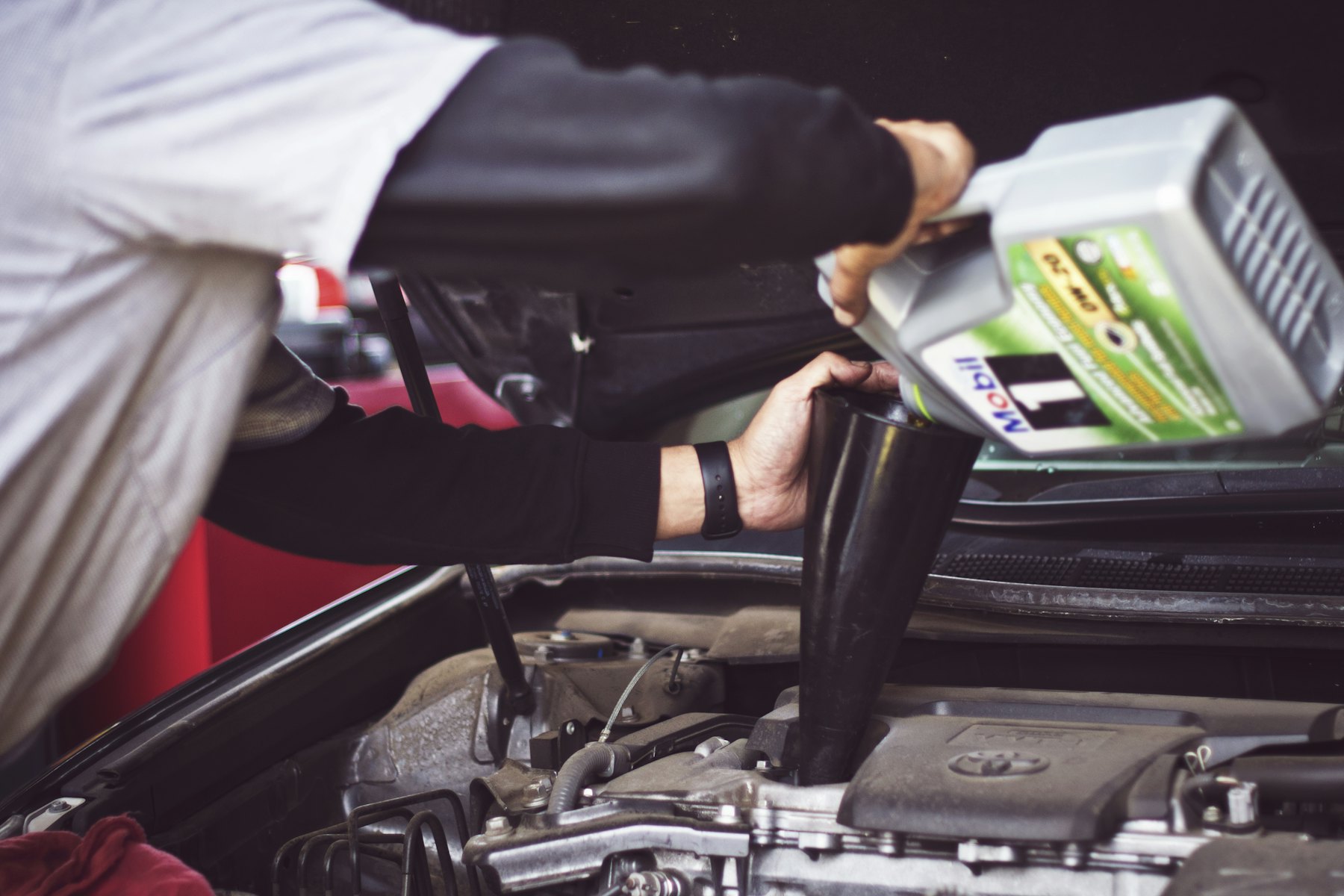
Motor oil being poured into an open engine bay

Hygroscopic is a long word for a simple problem

Brake fluid pulls moisture out of the air. That is not a defect, it is the design. Water has to get into a brake system eventually through seals, the reservoir cap and the flexible hoses, and fluid that holds that water in suspension is safer than fluid that lets it pool in a low spot and rust the caliper bore from the inside.

The catch is what the water does to the boiling point. Fresh DOT 3 boils somewhere well above four hundred degrees. Let it take on a few percent moisture over a couple of years, which is ordinary, and that number falls by well over a hundred degrees. The fluid is still doing its job at every temperature you normally see. It has simply lost most of its safety margin for the one day you need it.

Nothing on the dash tells you this is happening. There is no light, the pedal feels normal, and the fluid in the reservoir often looks fine because it darkens slowly. That is exactly why it gets skipped. It is a maintenance item that only announces itself at the worst moment.

Worth doing now ifIt has been three years or more, the fluid is dark brown rather than pale, you tow regularly, or the pedal went soft on a long hill and came back afterward.

What you payYou get a price before work starts, covering the fluid and the bleed. A short job stays a short job on the bill.

Where the truck goesNapa and Solano first, the I-80 corridor, with runs into Sonoma, Marin, Contra Costa and Alameda. See the coverage map.

What a long descent actually does to old fluid

Brakes work by turning motion into heat, and that heat has nowhere to go but into the caliper, the pad backing and the fluid sitting behind the piston. On flat ground you brake in short bursts and everything sheds heat between them. On a sustained downgrade you are feeding heat in continuously.

If the fluid has taken on water, the water in it boils first, and vapor compresses where liquid does not. You press the pedal and instead of moving a piston you are squeezing a bubble. The pedal goes long, then to the floor. Let off, let it cool, and the brakes come back, which is what makes people think they imagined it.

This is not a racetrack problem. The grades coming out of the Napa hills, the drop into Vallejo, and any loaded trailer on a sustained descent are enough. Drivers who tow see it first because weight multiplies the heat going in.
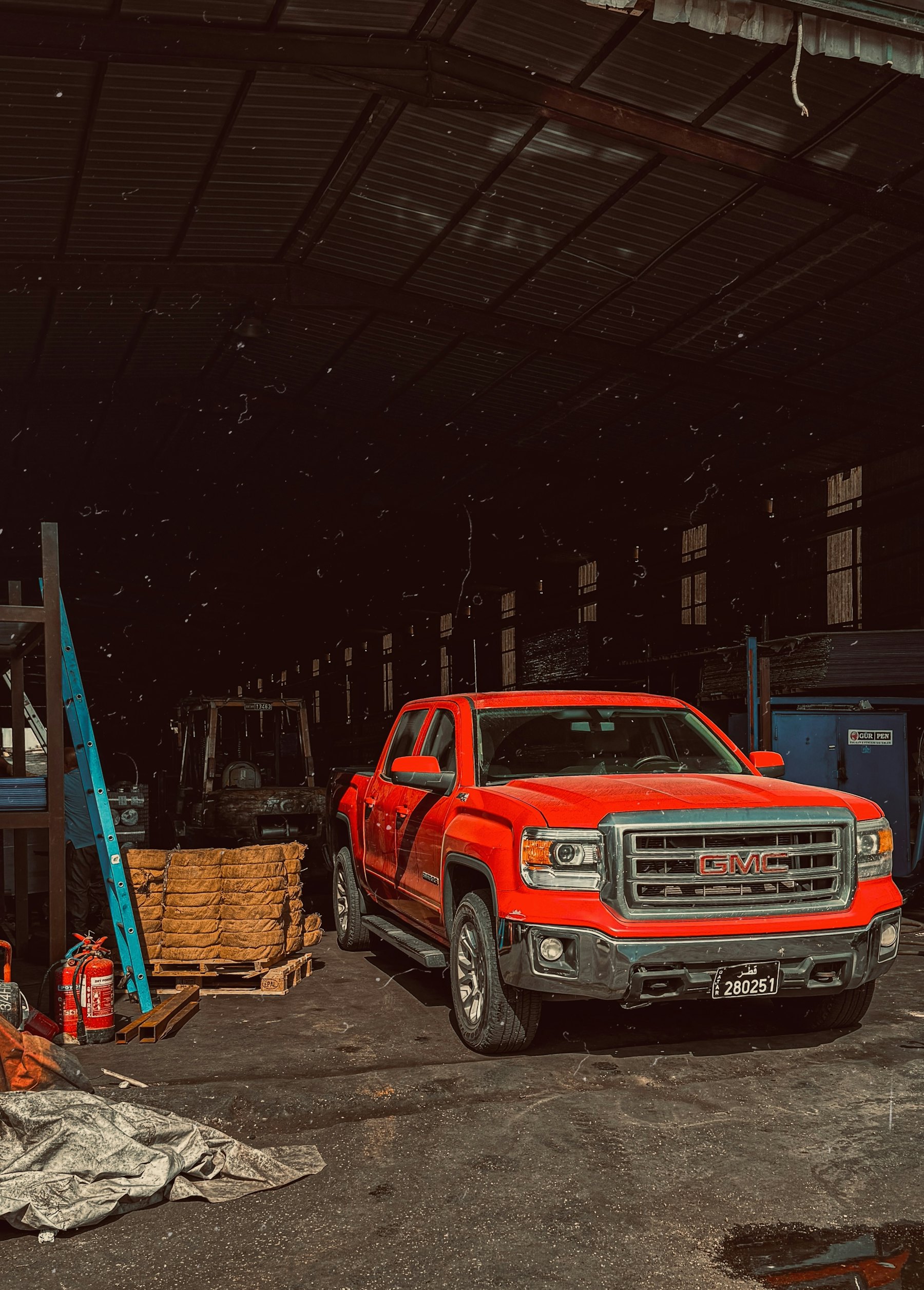
A red truck parked inside an industrial workshop
Anything that tows or carries weight cooks its brake fluid faster than the same vehicle running empty. Interval by calendar alone undercounts it.

A flush, done properly, at your curb

A flush and a top up are different things. Adding fluid to a reservoir dilutes nothing, it just raises the level of the old fluid already in the lines.

  1. Check what is in there firstColor tells you something and a moisture reading tells you more. If the fluid is genuinely fresh we will say so rather than sell you a service you do not need yet.
  2. Empty and refill the reservoirThe old fluid comes out of the reservoir before anything else, so the new fluid is not chasing sludge through the whole system.
  3. Push it through, corner by cornerA pressure bleeder moves fresh fluid out to each wheel in the correct order until what comes out of the bleeder runs clear and matches what went in.
  4. Check the pedal against resistanceFirm and high, with no sponginess left. Then the reservoir goes to the full line and the cap seals properly, because a loose cap is its own moisture problem.

Stranded 150 miles from home, late at night.

Abel Vargas, Google review
Typical flushAround an hour on most cars and light trucks once we are parked.
On boardDOT 3 and DOT 4 from sealed containers, a pressure bleeder and a catch bottle.
IntervalMost manufacturers say two to three years. Towing and hills argue for the shorter end.
The numberA price before work starts, and no minimum to pad it out to.
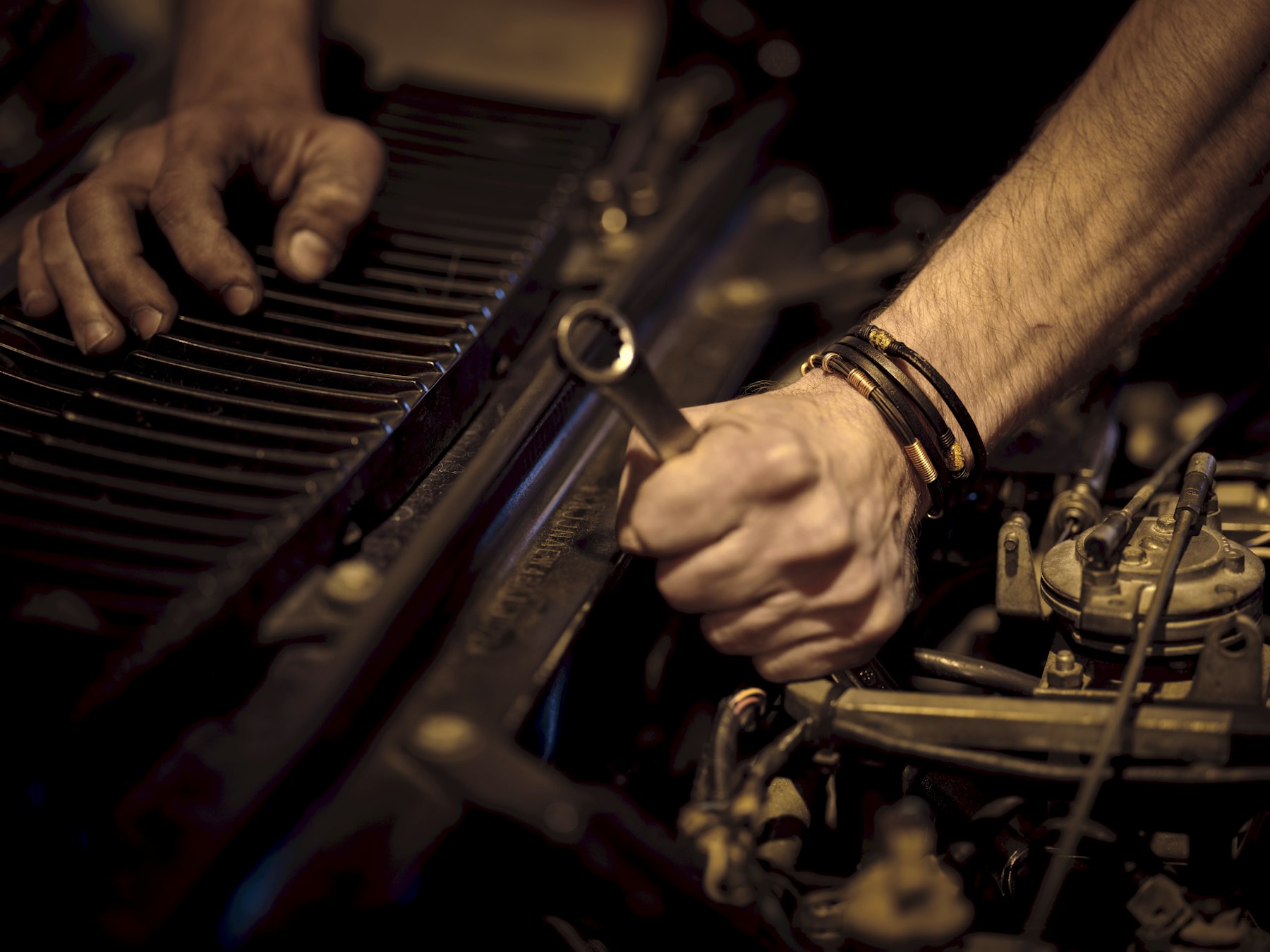
A mechanic's grease-stained hands turning a metal wrench on an engine component
Fluid comes from a sealed container every time. A jug that has been open in a truck bed has already started absorbing what we are trying to remove.

The interval on paper and the interval in real life

Most manufacturers put brake fluid on a two or three year schedule, independent of mileage, because the clock is what matters rather than the miles. Moisture creeps in whether the vehicle is driven daily or sits in a driveway.

What actually happens is that it gets missed. Brake fluid is not part of an oil change, it does not trigger a reminder, and a vehicle that gets its oil done faithfully for a decade can still be on its original fluid. We regularly open reservoirs on well maintained vehicles and find fluid the color of dark tea.

If you cannot remember it being done, it has not been done. That sounds glib but it holds up, because it is memorable work: somebody spent an hour at each wheel. If it is not in your records and not in your memory, plan on it, particularly before a summer of towing or a trip over the hills.

What a flush pairs with

Fresh fluid is often the finishing step on other work rather than a visit by itself, which saves you a second call out.

Brake line repair

Any repair that opens the hydraulic system lets air in. Fresh fluid through the whole circuit is the sensible finish rather than bleeding one corner.

Brake caliper replacement

Old moisture-laden fluid corrodes bores and seizes pistons from the inside. Replacing a caliper without changing the fluid that killed it invites a repeat.

Brake inspection

A moisture reading takes a minute and settles whether a flush is due. It is part of a full look at the system rather than a guess from the reservoir color.

Brake pad replacement

Pushing a piston back into its bore drives old fluid up the line. A good moment to change what is in there, while the wheels are already off.

ABS diagnostics

Contaminated fluid is hard on pump and valve internals. Anything expensive in the hydraulic system lasts longer on clean fluid.

Questions

What people ask about brake fluid

If yours is not here, calling is faster than typing. Somebody picks up.

How often does brake fluid actually need changing?

Most manufacturers say every two to three years regardless of mileage, because moisture gets in over time rather than over distance. If you tow, run loaded, or drive hills regularly, the shorter end of that is the sensible target. If you cannot remember it ever being done, it is due.

Can you tell if my fluid is bad just by looking at it?

Color is a hint, not a verdict. Fresh fluid is pale and clear, and dark brown fluid is definitely old, but fluid can hold enough water to matter while still looking acceptable. A moisture reading takes a minute and answers it properly, which is why we check rather than eyeball it.

What does boiling brake fluid feel like?

The pedal goes long and soft partway down a descent, often sinking further the harder you press, and then firms back up once things cool off. That recovery is why people talk themselves out of it. The vapor that formed under heat compresses where liquid fluid would not, and it will happen again on the next hill.

Is a flush the same as topping off the reservoir?

No, and this one matters. Adding fluid raises the level but leaves the old fluid sitting in the lines and calipers where the heat actually is. A flush pushes fresh fluid all the way out to each wheel until what comes out of the bleeder matches what went in.

Can this be done at my house or my workplace?

Yes, this is one of the more straightforward things to do away from a shop. It needs the wheels accessible, a pressure bleeder and somewhere for the old fluid to go, all of which live in the truck. Driveway, parking lot or yard all work fine.

Book it before the hills

Old fluid only shows itself when you need the brakes.

Tell us the vehicle and roughly when it was last done, or that you have no idea, which is a perfectly normal answer. You will hear what the job runs and when we can be there before the call ends.

HoursMonday to Sunday, 24 hours

Based inAmerican Canyon, CA

Pairs withInspection · Gallery · Contact