
One hour with a mechanic beats a year of regret.
You found a car online, the seller seems fine, and it drives well enough on a ten minute test. That is exactly the point at which an independent set of eyes is worth the most. We meet you and the car wherever it is parked, go through it properly, and tell you plainly what you are looking at.
- Private party or dealer lot
- No stake in whether you buy
- Findings explained in plain language
- Open 24 hours, seven days
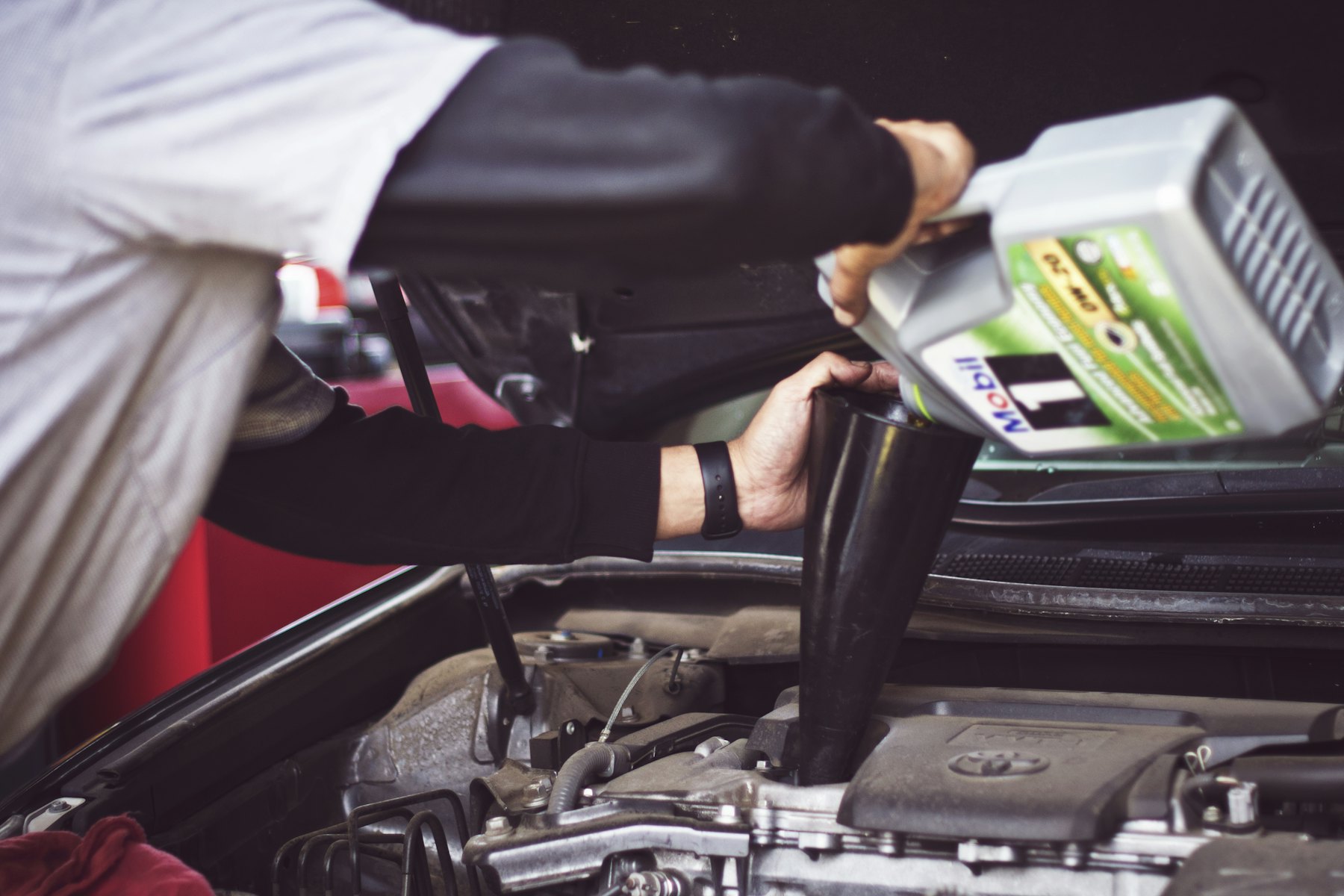
What an hour of looking actually finds
A test drive tells you how a car feels. It does not tell you that the coolant is the color of chocolate milk, that two tires are from different decades, or that the undercarriage carries the fine orange dust of a car that spent a winter somewhere with salted roads. Those take a flashlight, a jack and somebody who has seen a few thousand cars.
The inspection covers the mechanical story: engine and transmission behavior cold and warm, fluid condition and level, belts and hoses, cooling system pressure, brakes measured rather than glanced at, suspension and steering play, tire age and wear pattern, exhaust condition, and everything the computer has stored. Underneath, we look for the things a buyer cannot see from the driver’s seat: fresh undercoating hiding rust, weld seams and crumpled metal behind a bumper cover, a bent radiator support, silt or a water line in the spare wheel well.
Timing matters as much as the checking. The right moment is after you have driven the car and decided you want it, but before a deposit or a signature. At that point the seller is still motivated and the findings are leverage: a set of brakes at the end of their life or a service due next month is a legitimate thing to talk about on price. Once money has changed hands the same information is just bad news you paid for.
What you get at the end is a verdict in ordinary words. Solid car with two things to budget for. Decent car being sold at the moment a timing belt is due. Walk away, here is why. We are not connected to the seller and we are not trying to sell you a repair afterwards, which is the entire reason the opinion is worth anything.
Book it before you commitIdeally after you have driven it and before any deposit changes hands. An inspection is leverage while the deal is still open.
The figureYou know what the visit runs when you book it, and it does not change based on what we find in the car.
Meeting pointsSeller’s driveway, a dealer lot, or somewhere neutral like a public parking area that suits you both. Towns we cover.
Fluids, history and codes that were cleared last week
Service records are easy to lose and easy to exaggerate. Fluid tells the truth. Engine oil that is thick and black on a car sold as recently serviced says the opposite. Coolant that has gone brown and gritty points at neglect or a mixing problem. Transmission fluid that smells burnt is a much bigger conversation than the seller may realize. Brake fluid that has darkened has been in there a long time regardless of what the paperwork claims.
The computer is the other honest witness. A scan shows stored and pending codes, and it also shows readiness monitors. When those monitors are all sitting incomplete on a car that has supposedly been driven daily, it means the battery was disconnected or the codes were cleared very recently. That does not prove anybody is hiding anything, but it is a question worth asking out loud before signing, and most sellers answer it honestly when asked directly.
Tires get more attention than people expect, because they are a cheap thing that reveals expensive things. Four matching tires worn evenly suggest a car that has been looked after. Two new fronts and two cracked rears on a car with low miles suggest something else. Wear heavy on one shoulder points at alignment or worn suspension, and the date code stamped on the sidewall tells you how old the rubber is regardless of how much tread is left on it.
Frame and flood evidence gets the same attention. Factory seam sealer looks different from a repair, paint thickness varies where panels have been replaced, and water intrusion leaves marks in places nobody thinks to clean: under the carpet edges, inside the seat rails, in the fuse box. None of those findings automatically kill a deal. They just need to be known before the price is agreed, not after.
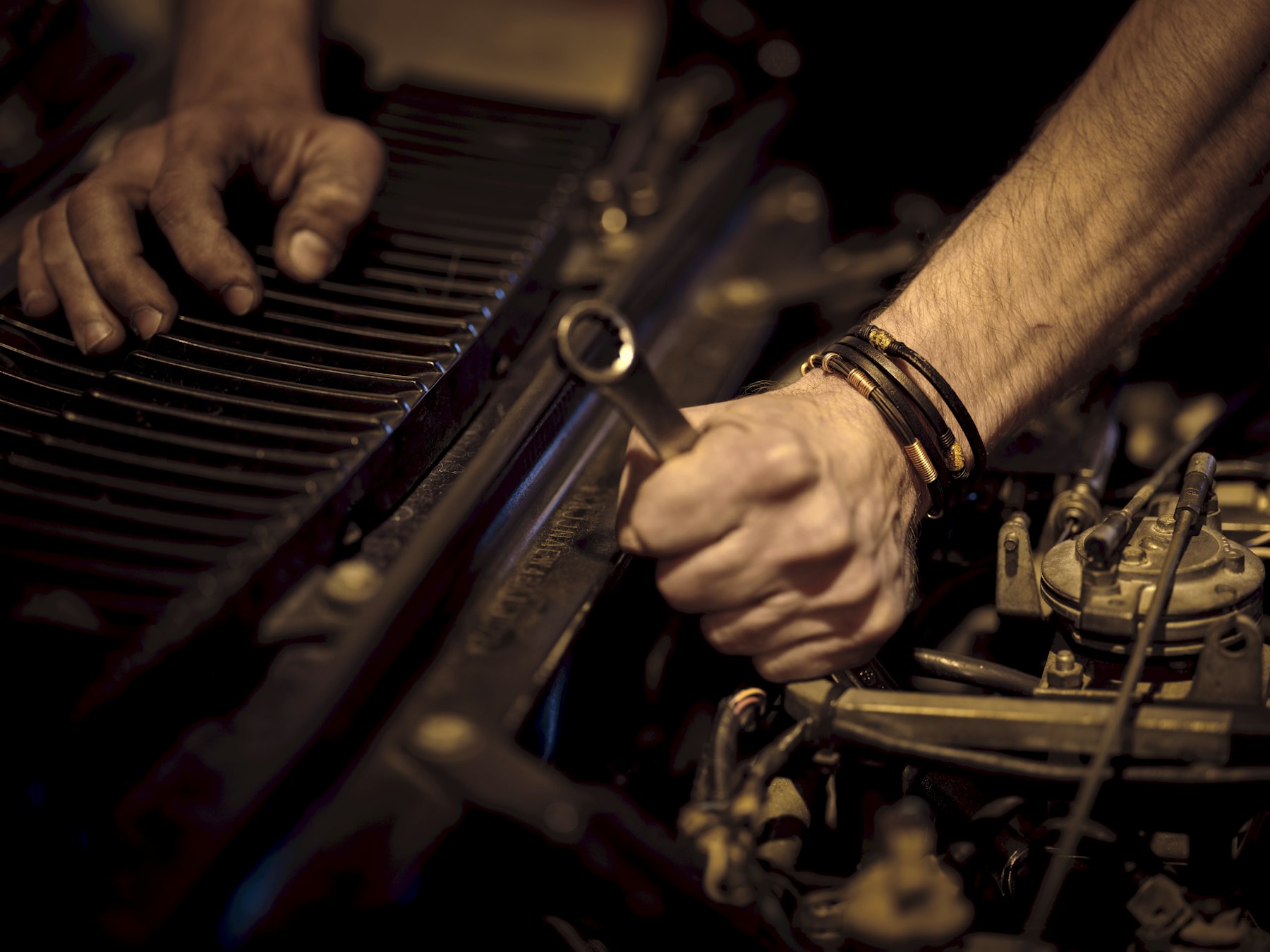
Where an inspection tends to lead
Most reports come back with a short list of things due soon. Knowing the list before you negotiate is the whole point, and the work itself can happen later at your own address.
Brake measurement
Pad and rotor thickness in numbers rather than a verbal assurance. A near-worn set is a reasonable thing to negotiate about.
Stored codes
What the computer remembers, including faults cleared recently enough that the monitors have not reset.
Battery and charging
Battery age and load performance, plus alternator output. A weak battery is minor and worth knowing anyway.
Cooling system
Pressure tested for slow leaks at hoses, the pump and the radiator, which is where deferred maintenance hides.
Timing belt status
Interval checked against mileage and age. Buying a car right before this job is due changes what it is worth.
Catching up service
Once the car is yours, the deferred items get sorted at your house rather than through another shop appointment.
We have no stake in whether you buy the car. That is exactly why the opinion is worth paying for.
Patrick Freeman, owner
What buyers ask before booking one
Most of these come up on the phone anyway. Call and ask about the specific car.
Do I need to be there during the inspection?
It helps but it is not required. Buyers who come along get a walkthrough of everything found, with the car in front of them, which makes the findings much easier to weigh up. If you cannot be there, we go through it with you by phone afterward in the same detail. Either way the seller hears nothing about your decision from us.
Will a seller actually let you do this?
An honest seller almost always says yes, and a refusal is information in itself. Most private sellers are used to the request, and dealers deal with it regularly. It goes more smoothly if you ask early and offer to work around their schedule. Meeting somewhere neutral is common and perfectly reasonable if either side prefers it.
Can you inspect a car at a dealership?
Yes. Dealer lots are routine, though a few require an appointment or restrict where a mechanic can work on their property. It is worth asking the salesperson before booking so nobody is standing around. Some will offer their own inspection instead, which is not the same thing, because that report comes from the party selling the car.
What does the inspection not cover?
We do not pull the car apart, remove panels, or road test it for long distances, and we cannot see inside a sealed transmission or predict when a healthy component will fail. Title history, liens and odometer records come from a separate report, not from us. What you get is the mechanical and structural condition on the day, checked by hand.
Is this worth it on a cheap car?
Often more so. On an inexpensive vehicle one unexpected repair can be worth more than the car, so knowing about it first matters even more than it does on something newer. Plenty of inspections end with a clear recommendation to buy, which is a good outcome too. You are paying for certainty either way.
Can you inspect a truck, van or trailer?
Yes, and buying a used work vehicle is exactly where this pays for itself, since a bad one costs you income as well as repairs. Commercial units get checked with their working life in mind. If you are buying for a fleet, this pairs naturally with fleet inspections once the vehicle is on your books.
Send the listing before you send a deposit.
Tell us the year, make, model and where the car is sitting. You will hear what the visit runs and when we can meet you there, often the same day, because good used cars do not wait around.