
Every unit checked. Every finding on paper.
A walkaround anybody can do. A written record of what was measured is the part that changes how a fleet gets run. We inspect at your yard and hand back numbers, not adjectives, on each vehicle.
- Open 24 hours, seven days
- No hourly minimum
- You hear what the job runs first
- Light vehicles through heavy trucks
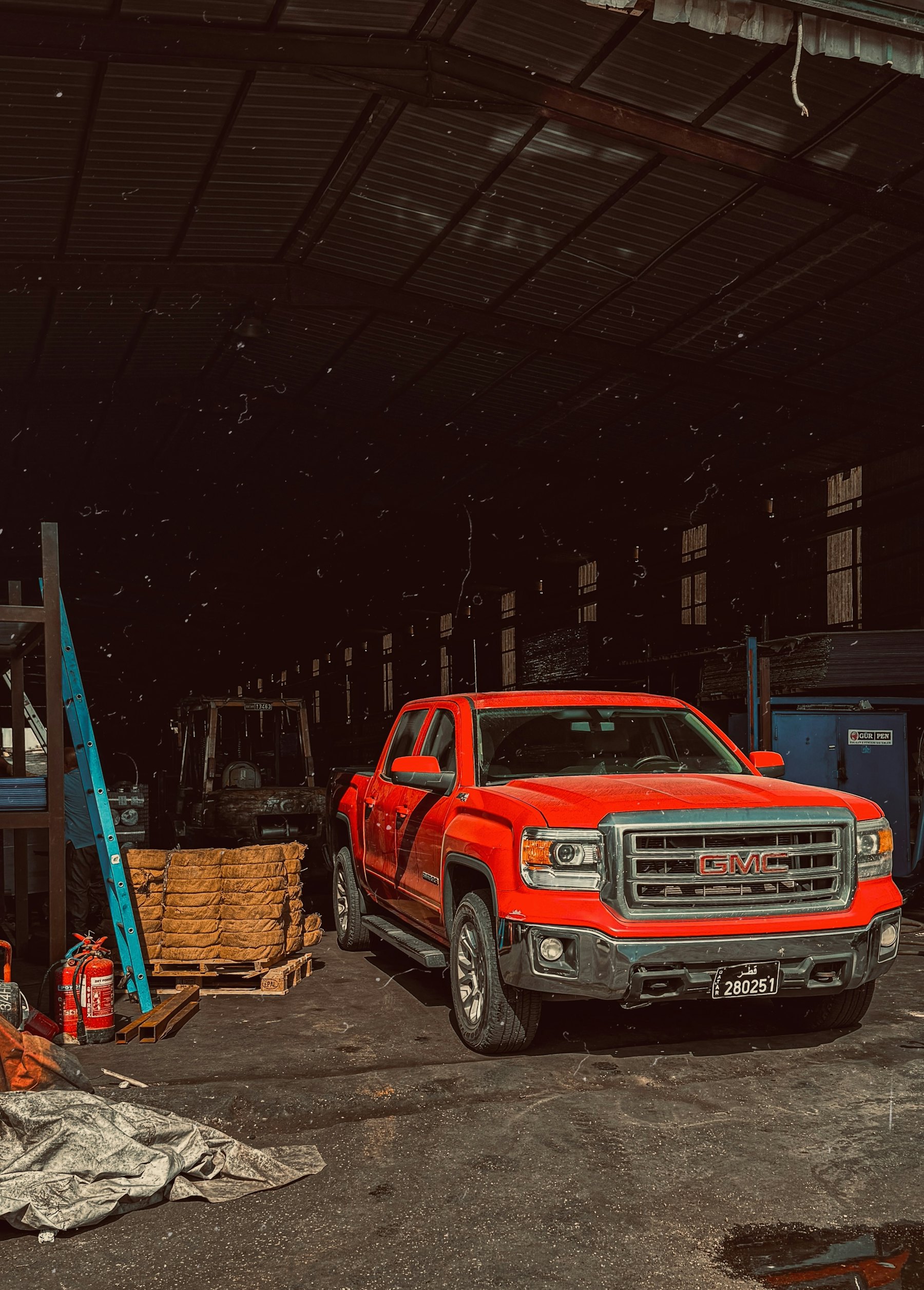
An inspection is a measurement, not an opinion
“Brakes look okay” is worth nothing three weeks later. “Left front at four millimeters, right front at four, rears at seven, measured at 84,300 miles” is worth a great deal, because it tells you roughly when that vehicle needs pads and lets you put the job in a calendar instead of a panic.
That is the whole idea behind inspecting a fleet on a rhythm. Each unit gets looked over the same way every time, the findings get written down with figures attached, and after two or three passes you can see which direction everything is moving. Tread going down faster on one side of one van tells you about alignment. A battery whose load test drops a little each visit tells you which morning it plans to ruin.
This is your own preventive rhythm, set by you, at whatever interval suits how hard the vehicles work. It is separate from the statutory inspections a commercial operation has to satisfy, which are a different job with different paperwork and live on the BIT and FMCSA inspections page. Plenty of customers have us do both. They are not the same thing and we do not pretend otherwise.
What you end up holdingA sheet per vehicle: mileage, date, what was checked, the measurements taken, and a short list of what deserves attention before the next visit.
CostYou hear what the job runs before we start, with no hourly minimum, so inspecting three units is priced like inspecting three units.
Where we comeNapa and Solano, the I-80 corridor, and across to Sonoma, Marin, Contra Costa and Alameda. The coverage map has the detail.
What actually gets checked, and what gets written down
Every item below produces either a number or a plain yes and no. Nothing on the sheet says “fine” without something behind it.
- BrakesPad or shoe thickness at each corner, rotor or drum condition, hoses and lines looked over, and on air systems the pushrod stroke and slack adjuster condition. The thickness figures are what make the record useful next quarter.
- Tires and wheelsTread depth measured at each position, not eyeballed, plus pressures, sidewall condition, uneven wear patterns, and lug torque. Wear that is odd on one corner is a suspension or alignment story.
- Under the hoodBelts, hoses, mounts, fluid levels and condition, coolant strength, and a load test on the battery with the actual reading recorded rather than a pass or fail.
- UnderneathLeaks and where they originate, steering and suspension play, driveline, exhaust condition, and frame or crossmember rust on older units.
- Lights and cabEvery lamp, signals and markers, wipers and washers, horn, mirrors, seat belts, and whether the parking brake holds on a grade.
- What the computer knowsStored and pending codes read on each unit, including the ones that have not lit a dash light yet. Those pending codes are often the earliest warning anything gives you.
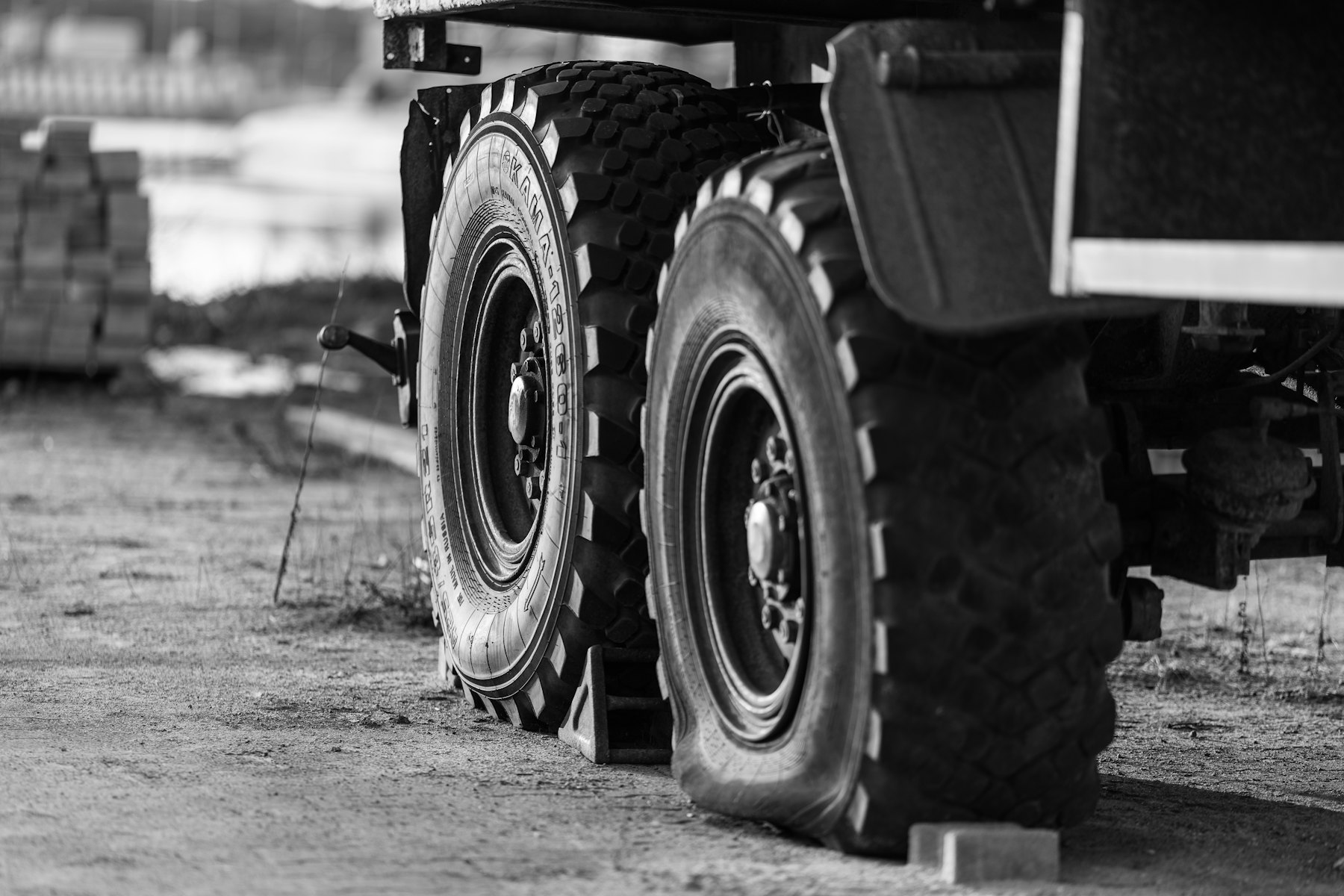
Small findings are cheap. The same findings later are not.
A weeping coolant hose noticed at a yard inspection is a hose. Left alone, it is an overheated engine on a grade somewhere, a tow, a driver waiting, and a load that did not arrive. The part did not change. The circumstances did.
The same is true of nearly everything an inspection catches. A pad at three millimeters is pads. The same pad ignored is pads, a rotor, sometimes a caliper, and a vehicle out of service while the parts get found. A battery testing weak is a battery on your schedule. Ignored, it is a no-start on the coldest morning of the season, with a route already assigned.
None of that requires special insight. It requires somebody to look at the vehicle on a schedule and write down what they saw, so the cheap window is not missed by accident.
Where inspection findings usually lead
Everything on this list is work we can do at your yard on a later visit, once you have decided it is worth doing.
Brake inspection
A deeper look at one vehicle when the fleet sheet shows a corner heading the wrong way faster than the rest.
Mobile fleet maintenance
The service side. Most customers pair the two so findings and the work that follows happen on one visit.
Fleet maintenance reporting
When the sheets need to add up into something you can hand a bookkeeper or an insurer.
Trailer maintenance
Trailers get inspected too. Lights, brakes, bearings and the wiring that fails first on anything towed.
Pre purchase vehicle inspections
Before a unit joins the fleet. A used truck bought unchecked is somebody else’s deferred maintenance.
Fleet repair
For the findings that will not wait, on the units that need them fixed before the next run.
We write down the numbers so the decision about a vehicle belongs to its owner, not to whatever breaks first.
Freeman Roadside Repair
Common questions about inspecting a fleet
Anything not covered here, the phone answers faster. There is always somebody on the line.
How often should our vehicles be inspected?
It depends on how hard they work. A van doing local deliveries on paved roads can go quarterly. A truck on jobsites, gravel and dust is better monthly, because that environment eats filters, bushings and tires far faster than any book interval assumes. We will suggest a starting rhythm after the first pass and adjust it once the sheets show how fast things are actually moving.
Is this the inspection our drivers are supposed to do?
No. Driver walkarounds are a daily habit and they catch the obvious: a flat, a dead lamp, a puddle. What we do is measured, recorded and deeper, and it happens on a schedule rather than in the two minutes before a route. The two work together. A good driver check finds today’s problem, and an inspection finds next quarter’s.
Do you fix what you find during the inspection?
Small items yes, if you want them handled. A bulb, a wiper, a loose clamp, low fluid, anything the truck already carries parts for. Larger repairs get written down with the measurement behind them so you can decide, and we will tell you which ones genuinely should not wait. Nothing beyond the inspection happens without your say so.
Can you inspect trailers and equipment as well as trucks?
Yes. Trailers get lights, brakes, bearings, coupling and frame checked, and they are worth doing because trailer faults are the ones nobody notices until something is wrong on the road. Yard equipment and heavier machines can be looked at too, though what gets checked differs from a highway vehicle.
What form does the record take?
A sheet per vehicle with the date, mileage, the checklist, the measurements, and the items worth attention. Straightforward enough for an owner to read and detailed enough that the next inspection can be compared against it. If you need the whole fleet summarized rather than unit by unit, fleet maintenance reporting handles that.
Do we have to shut the yard down for this?
No. We work through a few units per visit at hours that suit you, including evenings and weekends, so the fleet keeps operating while it gets inspected. Most customers have us come when the lot is fullest, which is usually after the last vehicle is back or before the first one leaves.
Find out what your fleet is actually sitting on.
A first pass over a few units usually tells an owner more than a year of receipts. Call and describe what you run, and you will know what an inspection round costs and how long it takes before agreeing to anything.
HoursMonday to Sunday, 24 hours
Based inAmerican Canyon, CA
Related pagesBIT and FMCSA · Gallery · Reach us