
Stopped in San Francisco. Fixed in San Francisco.
Across the bridge, traffic-dependent. Most of what we answer in San Francisco is on or near I-80, Highway 101. This is dense urban service calls country, so the faults have a pattern to them. One call and Patrick is on the road.
- Across the bridge, traffic-dependent
- Open 24 hours, seven days
- No hourly minimum
- Cars, trucks, farm and heavy equipment
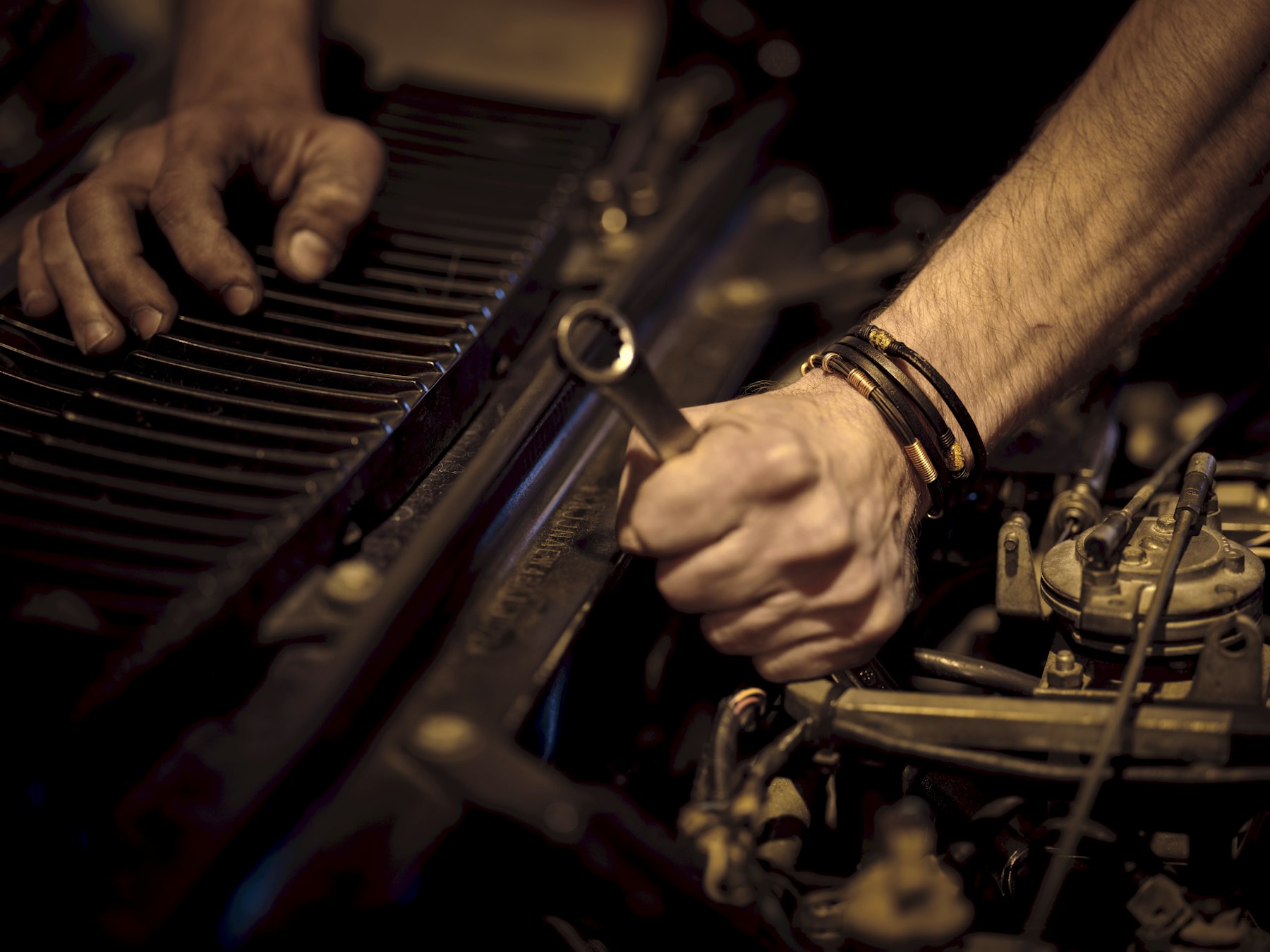
The honest answer about how quickly we reach San Francisco is geography: across the bridge, traffic-dependent. The route in is I-80, so an arrival window we give you over the phone is a real one rather than a number meant to keep you holding. What we get called to here follows from what the town is: dense urban service calls, parking-structure work. It also means we know where in San Francisco a vehicle can safely be worked on and where it cannot, which matters more than people expect. The van is loaded before it leaves, so a San Francisco call is usually one visit rather than a diagnosis today and a repair on Thursday.
How a call from here actually goes
The call
Straight to Patrick. Where in San Francisco, what the vehicle is, what changed.
What it costs
You hear the number first. No work starts on a maybe.
We set off
In on I-80 normally, traffic depending.
The diagnosis
Tested rather than guessed at, so you are not paying for parts the vehicle did not need.
Finished, or a straight answer
Most of it is finished at the roadside. Where it cannot be, you get a straight answer about what happens next.

The machines nobody else will drive out to
A lot of shops will not touch trucks and trailers. We will, and in San Francisco that is most of the reason the phone rings.
That covers work trucks, trailers and the vans local businesses run on, diagnosed and repaired on site.
The basics
Why San Francisco vehicles fail the way they do
San Francisco runs on dense urban service calls. That shapes the call list more than anything else.
There is also parking-structure work, which puts a different kind of load on the same machinery.
That is why we ask what the vehicle does for a living before we set off, because a truck that runs loaded every day fails differently from one that sits five days a week.
Before it strands you
The emergency calls are how people meet us. The scheduled work is what they come back for in San Francisco.
Routine servicing, inspections and the catch-it-early repairs. The advantage of a mobile mechanic is that the vehicle keeps working while it waits for its slot.
Not sure it is worth a call?
If you are weighing whether it is worth a call, that hesitation is worth addressing.
There is no charge for the conversation. Describing the noise to somebody who works on these every day usually settles it in a minute.
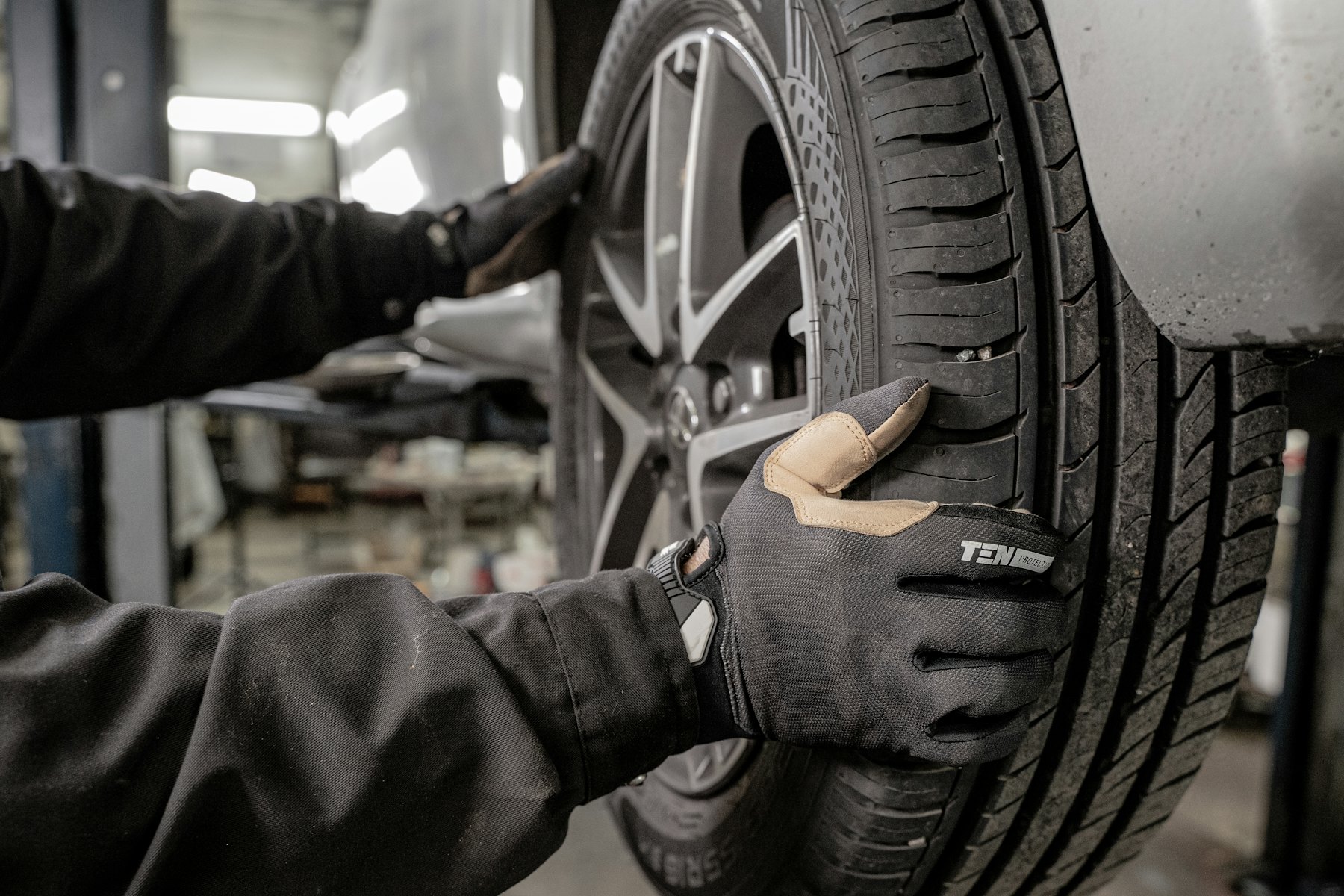
How we reach San Francisco
I-80 is the spine of this. It is how we get to you and it is where a good share of the breakdowns happen, because it is the road everything in San Francisco uses.
We also work Highway 101 and the bridge approaches regularly, and we pick between them by time of day rather than distance.
Before a tool comes out we deal with position and visibility, because most of the danger on a call like this is other drivers.
Where San Francisco sits
Other towns on the same run
Same trip, different exit. These towns sit alongside San Francisco on our map.
The drive from San Francisco to any of these is short enough that one call usually covers a second vehicle at the same yard.
Wider still, the rest of San Francisco County and the full service area.
The usual San Francisco questions
Short answers. The phone is faster if yours is not here.
How quickly can you get to San Francisco?
It depends on the hour, and we will tell you honestly. Across the bridge, traffic-dependent. That window is what we plan around, not a promise made to end the call.
Do you charge a minimum to come out to San Francisco?
No hourly minimum. A ten minute fix is billed as a ten minute fix, which is the whole point of the way we work. The alternative, charging a block of time regardless, teaches people to wait until something is genuinely broken before they pick up the phone.
What hours do you answer?
All of them. The phone goes to the mechanic at two in the morning the same as it does at two in the afternoon, and that is not a voicemail promising a call back. The people who need a mobile mechanic most are rarely the ones calling during business hours, which is the entire reason the number is answered around the clock.
Can you work on dense equipment?
Yes, and it is a large part of the work here. Dense urban service calls means machinery that cannot easily be moved, which is the case a mobile mechanic exists for.
Do I need to get the vehicle somewhere first?
No. That is the point of a mobile mechanic. If it is in a driveway, a yard, a parking space or on a shoulder, that is where we work on it.
Do you charge more to come out to San Francisco at night?
No. Nights, weekends and holidays are the same rate as a Tuesday morning. The hours when nobody else answers are most of the reason this business exists, and charging a premium for them would defeat the point.
What if it turns out to be too big to fix at the roadside?
Occasionally. When a San Francisco job needs a lift or a press we say so rather than burning your afternoon proving it, and you keep the diagnosis either way.
Stopped in San Francisco? Call.
You will speak to the person who does the work. Describe where you are in San Francisco and what happened, and we will tell you what it costs and when we will be there.