
Live Oak’s mobile mechanic, answering at three in the morning.
The northeastern edge. Highway 99, Highway 20 carry most of the trouble we get called to here. This is orchard and rice farming country, so the faults have a pattern to them. One call and Patrick is on the road.
- The northeastern edge
- Open 24 hours, seven days
- No hourly minimum
- Cars, trucks, farm and heavy equipment
The honest answer about how quickly we reach Live Oak is geography: the northeastern edge. We come in on Highway 99, which is why we can tell you a window on the phone instead of asking you to wait and see. What we get called to here follows from what the town is: orchard and rice farming, Yuba City ag equipment dealers. It also means we know where in Live Oak a vehicle can safely be worked on and where it cannot, which matters more than people expect. The van is loaded before it leaves, so a Live Oak call is usually one visit rather than a diagnosis today and a repair on Thursday.
What we get called out for in Live Oak
Over a normal month, these are the Live Oak calls that repeat.
Tractors and implements in the field
Hydraulics, diesel faults and PTO trouble get diagnosed where the machine sits, because getting it onto a trailer is half the cost. With orchard and rice farming in the mix, this one repeats more here than it should.
Orchard machinery between rows
Narrow-track tractors and sprayers that cannot easily be moved get repaired in place. Nothing exotic, and it is finished at the roadside most times.
Brakes that started making noise
Pads and rotors get done in a driveway or a yard as readily as in a shop, and we would rather look at it early than after something seizes. Most of them reach us from Highway 99 or the streets feeding it.
Warning lights nobody can read
We pull the codes on site and tell you plainly whether it is drive-it-home or stop-now. We carry the parts for it because Live Oak asks often enough.
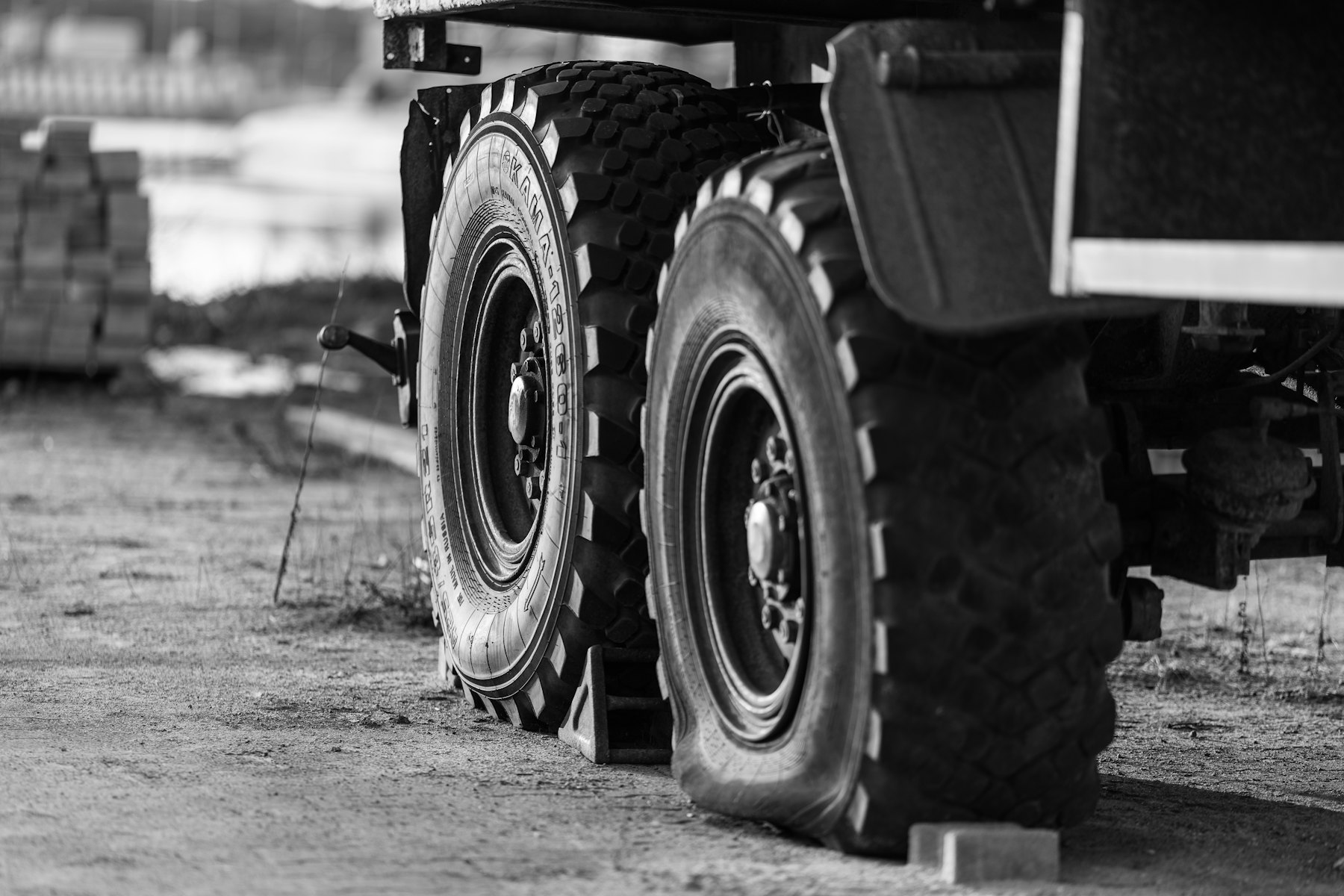
Flat and shredded tires
Changed on the spot where there is a usable spare, and where there is not we can talk through the next step before anybody calls for a tow. With orchard and rice farming in the mix, this one repeats more here than it should.
The work that is not an emergency
Not all of this is roadside. A good share of what we do in Live Oak is arranged in advance.
Routine servicing, inspections and the catch-it-early repairs. The advantage of a mobile mechanic is that the vehicle keeps working while it waits for its slot.
Pickup points and regular stops
What Live Oak does, and what that breaks
You can predict a lot about Live Oak repairs from one fact: this is orchard and rice farming country.
With Yuba City ag equipment dealers on top, the vehicles here rarely get an easy week, and the wear shows up in predictable places.
The practical upshot is that we carry parts for the failures this area actually produces rather than a generic van load.
Ask before it gets expensive
A fair number of Live Oak calls open with somebody saying they are not sure this counts as a real problem.
The call costs nothing. If it is something you can safely drive on, we will tell you that and you can get on with your day. If it is not, you have found out before it became a tow and a much larger repair.

Equipment, not just vehicles
Farm machinery is where a mobile mechanic earns the description, because moving it to a workshop is the expensive part.
That covers tractors, gators, sprayers and the implements behind them, diagnosed and repaired on site.

Getting to you in Live Oak
Highway 99 is the spine of this. It is how we get to you and it is where a good share of the breakdowns happen, because it is the road everything in Live Oak uses.
We also work Highway 20 and Highway 113 regularly, and we pick between them by time of day rather than distance.
A shoulder is a bad place to do anything slowly, so the first thing we sort out on arrival is whether the vehicle can be made safe where it is or needs to move first.
Live Oak and its neighbors
Around here
Same trip, different exit. These towns sit alongside Live Oak on our map.
The drive from Live Oak to any of these is short enough that one call usually covers a second vehicle at the same yard.
Or see the full Sutter County and the full service area.
Questions we get from Live Oak
Answered plainly. Anything not listed, ask on the phone.
How quickly can you get to Live Oak?
It depends on the hour, and we will tell you honestly. The northeastern edge. That window is what we plan around, not a promise made to end the call.
Do you charge a minimum to come out to Live Oak?
No. There is no hourly minimum and no call-out block to pay for. You pay for the work that gets done, and you hear the price before we start. Plenty of outfits bill an hour whether the job takes ten minutes or fifty, and that practice is most of why people put off calling until a small fault has become a tow.
What hours do you answer?
Twenty four hours, every day. Nights and weekends are ordinary working time here rather than an emergency surcharge, and the late calls are a real part of the week rather than something merely tolerated.
Can you work on orchard equipment?
Yes, and it is a large part of the work here. Orchard and rice farming means machinery that cannot easily be moved, which is the case a mobile mechanic exists for.
Do I need to get the vehicle somewhere first?
No, and it is worth saying plainly because people assume otherwise: the van carries the work to the vehicle, not the other way round.
What does an after-hours Live Oak call cost?
Same rate, whatever the hour. We would rather you called at three in the morning than sat on a shoulder until sunrise trying to avoid a fee.
What if it turns out to be too big to fix at the roadside?
Then we say so plainly and tell you what the real options are. You are not charged for a repair that was never going to work, and you will have a clear diagnosis to take wherever it goes next.
Live Oak, day or night.
You will speak to the person who does the work. Describe where you are in Live Oak and what happened, and we will tell you what it costs and when we will be there.