One code is a repair. The same code on four units is a cause.
We scan every unit in a fleet and then look at the results side by side. A fault that shows up on one van is a part. A fault that shows up on four is usually a spec, a route or a habit, and fixing that stops the repair from coming back.
- Light duty and heavy duty scan coverage
- Stored, pending and history codes
- Transmission and drivetrain modules
- Napa, Solano and the East Bay

Diagnosing a group is a different job than diagnosing a vehicle
Scan one truck and you get a list of codes and a decision about which part to change. That is useful and it is where most work ends. Scan eleven trucks that do the same route in the same week, lay the results out on a table, and something else appears. Three units have stored the same misfire history. Two have logged an overheat event nobody reported. The oldest four have cooling fan codes and the newest two do not. None of that is visible one vehicle at a time, and none of it is in the repair order.
That comparison is what a fleet owner is actually paying for. If four vans built the same year all log low fuel pressure at high mileage, the answer is probably a filter interval that was written for gentler use than yours. If the same code follows a truck rather than a driver, it is the truck. If it follows the driver rather than the truck, no part is going to fix it and you have saved yourself the cost of finding that out three times.
So the work is ordinary at the tool and different at the desk. Every unit gets connected, every module gets interrogated rather than just the engine, and the readings get written down against that vehicle’s number and mileage. Then we read the sheet across the fleet. That second step is the whole point, and it is the step a per vehicle repair order has no room for.
What gets readEngine and emissions, transmission, ABS and chassis, body and charging modules. Stored faults, pending ones that have not yet turned on a lamp, and the freeze frame data that says what the vehicle was doing when it happened.
What it costsYou get what the job runs spoken plainly before anybody plugs in, and there is no hourly minimum sitting underneath it.
Getting it doneScans happen at your yard while the units are parked. Send over your unit count and we will size the pass against the hours your lot is quiet.
The fault that clears itself is still telling you something
Intermittent codes get dismissed constantly. The lamp came on, the driver kept going, the lamp went out, nobody wrote anything down. Three weeks later the unit dies at the worst possible place and everyone treats it as sudden. It was not sudden. The module recorded it, twice, and nobody asked.
Most engine computers keep history whether or not a light is currently on, along with a snapshot of conditions at the moment the fault set. That snapshot is the useful part. A charging fault that only sets at low idle points somewhere different than one that only sets under load on a grade. An evaporative code that repeats after every fuel stop points at a cap or a driver routine, not a pump.
On a scan pass we pull the history as well as the live faults, so the self clearing problems end up on paper next to the loud ones. Then you get to decide which ones are worth chasing now and which ones are worth watching. Either way they exist in writing, which is more than they did before.

Where a fleet scan usually leads
Reading codes is the start. These are the jobs the readings most often turn into, each with its own page because plenty of customers arrive needing exactly one of them.
Check engine light diagnostics
When one unit’s lamp is on and the fleet pattern says it is that vehicle alone, it becomes a single vehicle problem again.
Transmission fluid service
Shift quality complaints across several units are often fluid condition and heat, not a failing gearbox.
Vehicle electrical diagnostics
Voltage faults that repeat across a group usually trace to charging, grounds or wiring rather than a sensor.
No start diagnostics
A unit that will not crank gets diagnosed on the spot instead of being towed somewhere to have the same question asked.
ABS diagnostics
Wheel speed and brake control codes, which matter twice over on anything that goes through an inspection.
DPF diagnostics
Diesel aftertreatment faults tied to short runs and heavy idle, which is a duty cycle problem wearing a parts costume.
Transmissions take the punishment a duty cycle hands out
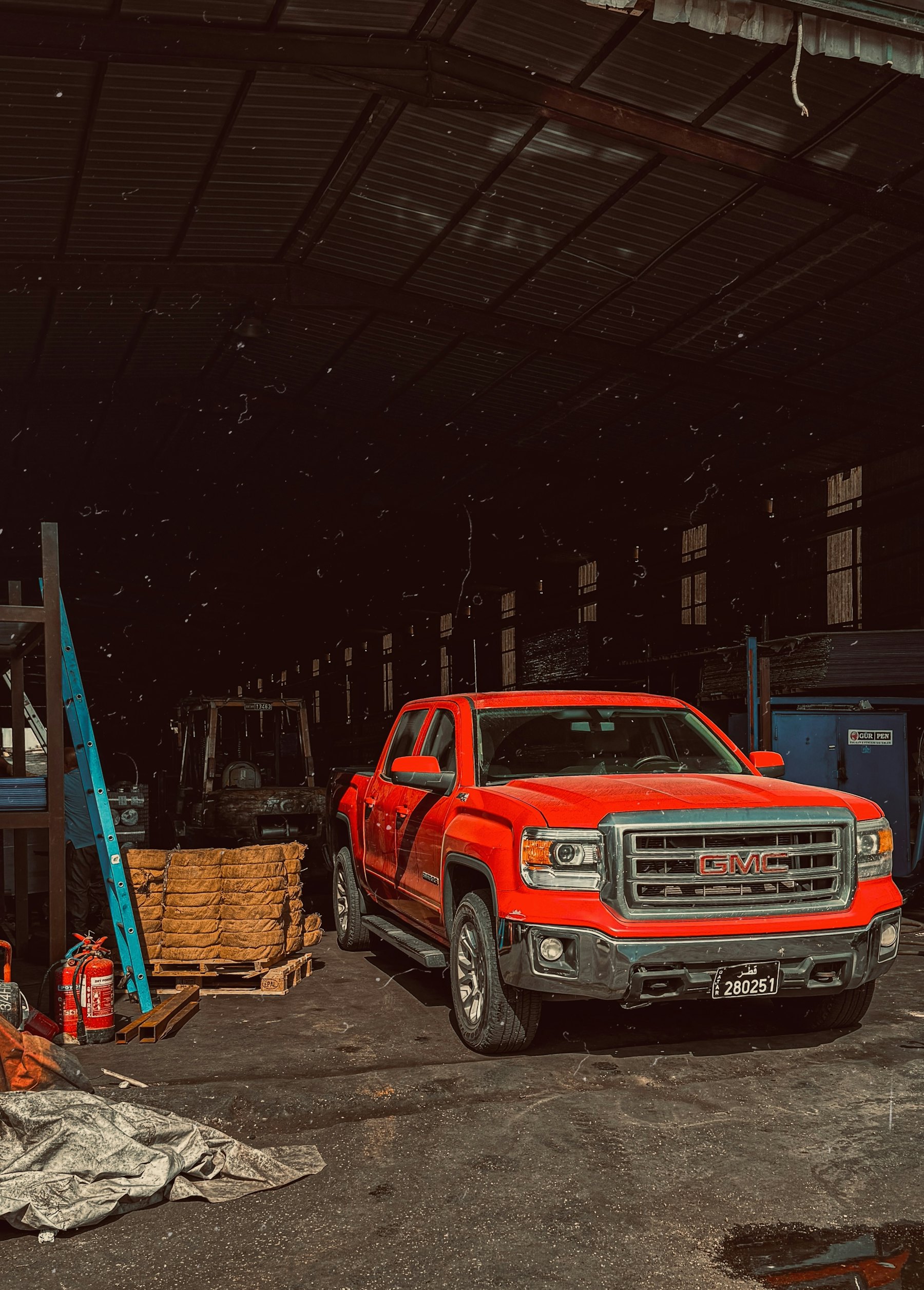
Gearboxes in working vehicles live harder lives than the book assumes. Loaded stop and start delivery work, a trailer on a grade in summer, a truck that spends its day at low speed with high engine load: all of that puts heat into fluid that was specified for something calmer. The gearbox usually complains in code before it complains in behavior.
Shift solenoid faults, torque converter lockup codes, ratio errors and high temperature events all get stored with the conditions attached. Read across a fleet, they say which units are being worked past what they were bought for. Sometimes that means a fluid and filter interval that needs shortening. Sometimes it means an auxiliary cooler. Occasionally it means a route is wrong for the vehicle assigned to it, which is a dispatch fix and costs nothing.
What it almost never means is that every unit needs a transmission. That is the expensive assumption the data exists to prevent, and it is worth reading before anyone commits to a rebuild.
If the readings turn into work, the repair side is fleet repair, and the scheduled side that keeps units out of this position is mobile fleet maintenance.
A code by itself is a symptom. Twelve codes from twelve trucks, read together, are an answer.
Freeman Roadside Repair
What operators want to know before we plug in
Anything missing here gets a straight answer on the phone. Somebody real picks up, at any hour.
Why scan a vehicle that has no warning light on?
Because the light is the last step, not the first. Modules store pending faults and history long before they decide something is bad enough to tell the driver about. On a working fleet those quiet records are where the useful information lives, since they show you a problem while it is still cheap and while the vehicle is still in your yard rather than somewhere on a shoulder.
Can you read heavy trucks as well as vans and pickups?
Yes. Mixed fleets are normal in this area, where one company runs a couple of pickups, a box truck and something with air brakes. The tooling covers gas and diesel and reaches past the engine computer into transmission, brake and body modules, which is where a lot of the useful data on a commercial unit actually sits.
Do you clear the codes after reading them?
Only after everything is written down, and only when you want it done. Clearing wipes the history that makes a pattern visible, so on a first pass we usually record and leave. There is also a practical catch on anything emissions related: clearing resets the readiness monitors, and a vehicle with monitors incomplete can fail a test until it has been driven enough to set them again.
What if the same fault keeps coming back on one unit?
Then the part was probably right and the cause was not. A repeat fault on a single vehicle usually means a wiring issue, a ground, a connector taking water, or something upstream loading the circuit. That is a hands on diagnosis rather than a scan, and it is the point where reading codes stops and actual testing starts.
How long does a scan pass take across a fleet?
Connecting to a unit and pulling everything takes a handful of minutes each. The realistic limit is access rather than tooling: how many vehicles are actually in the yard at once and whether the keys are available. Most small fleets get done in one session. Larger ones we split so nothing waits and no route loses a vehicle.
Is this the same thing as an inspection?
No, and they answer different questions. A scan reads what the electronics have recorded. An inspection is a person measuring and looking at physical condition, which no module reports on. Brake material, tire condition, leaks and mounting hardware all live on the inspection side, which is covered under fleet inspections.
Bring the data before the breakdown.
Tell us how many units you run and what they do all day. We will say what a scan pass across the group looks like, what the job runs, and what you get on paper at the end of it. The number rings a mechanic, not a front desk.
HoursMonday to Sunday, 24 hours
Based inAmerican Canyon, CA
Next steps from hereReporting · Commercial truck maintenance · See the work