
New pads, fresh hardware, and a pedal you stop thinking about.
Pad replacement is the job most drivers put off until it squeals. We measure what is left, fit the pads with new clips and greased slide pins, torque the wheels properly and bed them in before we leave. Your driveway, your yard, or a lot off the highway.
- Open 24 hours, seven days
- No hourly minimum
- A real number before we roll
- Cars, pickups, vans, trailers
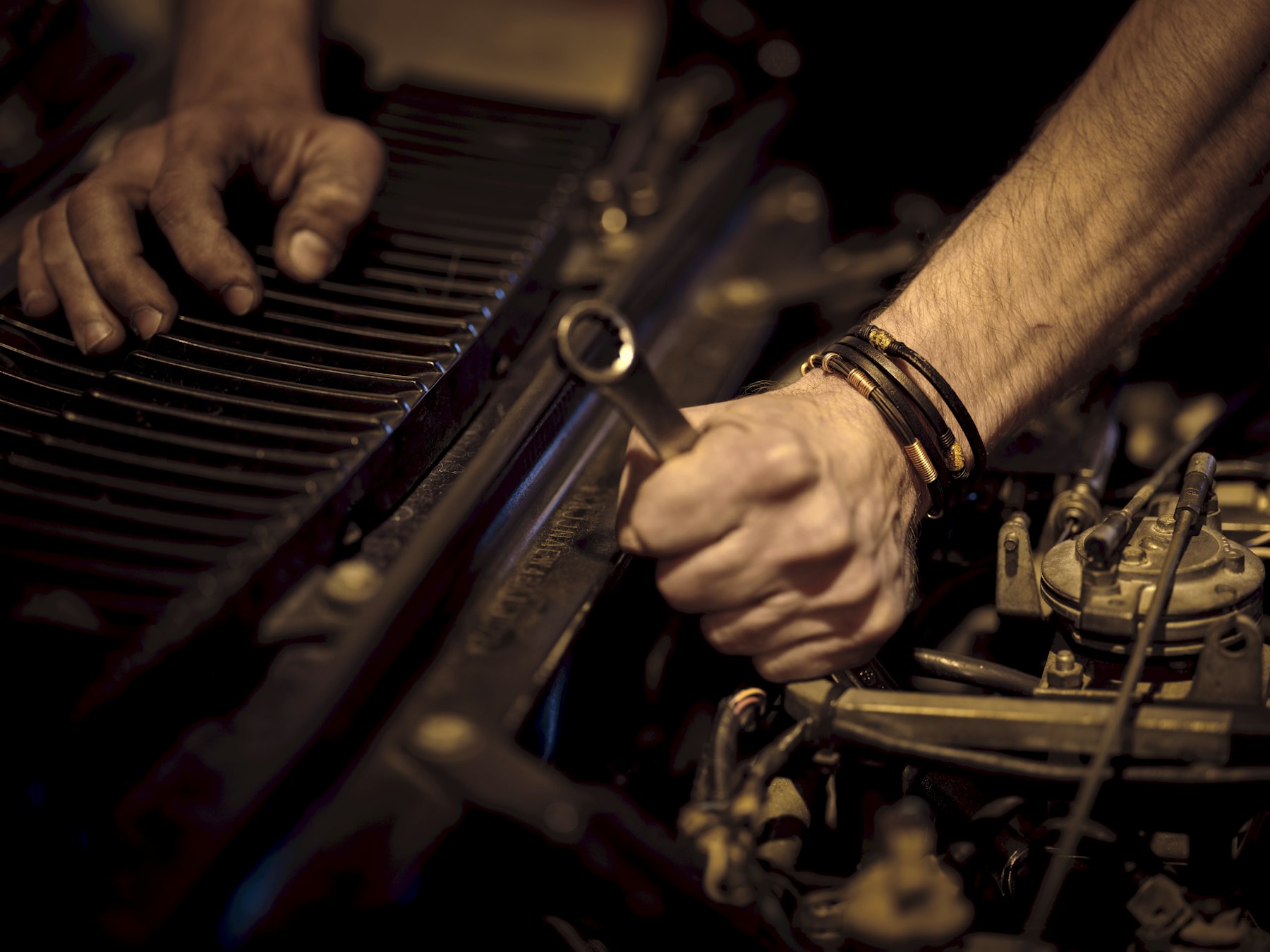
Start with a measurement, not a guess
A new pad leaves the box somewhere around twelve millimeters of friction material on top of the steel backing. By the time it squeals, most of that is gone. The wear indicator is a little metal tab designed to scrape the disc and annoy you into action, and it usually sits at about three millimeters. Below two, the backing plate is close enough to the disc that a single hard stop can put a groove in it.
So the first thing that happens when we pull a wheel is a caliper gauge on the pad and the disc. That reading decides everything else. Plenty of pads that sound terrible still have months in them, and the noise turns out to be a stone trapped in the shield or dust on a car that sat through a wet week. Plenty of pads that are quiet are nearly through. Neither of those is something you can tell from the driver’s seat.
We write the numbers down and tell you what they mean before we open a box. If the inner pad on one side is half the thickness of the outer, that is a caliper that is not releasing properly, and fitting new pads onto it just burns them up again in a few months. Catching that at the measurement is the difference between one visit and three.
When to have them looked atA steady squeal at low speed, a gritty scrape when you first move in the morning, a pedal that needs more travel than it used to, or brake dust that suddenly gets much heavier on one wheel.
What you payPatrick gives you what the job runs before a wheel comes off. There is no minimum charge attached to the visit, so a measurement that turns out fine is billed as what it was.
Where the truck goesNapa and Solano first, then out along I-80 and across into Sonoma, Marin, Contra Costa and Alameda. Full coverage map.
Hardware is what keeps a new pad quiet
Every brake job that comes back squealing has the same cause behind it, and it is almost never the pad itself. It is the metal around the pad. Stainless clips sit in the bracket and let the pad slide as the caliper clamps; when they corrode, they swell and pinch. Slide pins let the caliper float over the disc; when the grease in them dries out and the boot splits, the caliper hangs on one side and wears the pad at an angle.
Fitting fresh pads into cooked hardware is the corner that gets cut when a price sounds too good. It saves maybe fifteen minutes on the job and it is the reason that job needs doing again. We fit the clips that come in the kit, clean the bracket down to clean metal, and grease the pins with a high-temperature synthetic that does not wash out in a Napa winter.
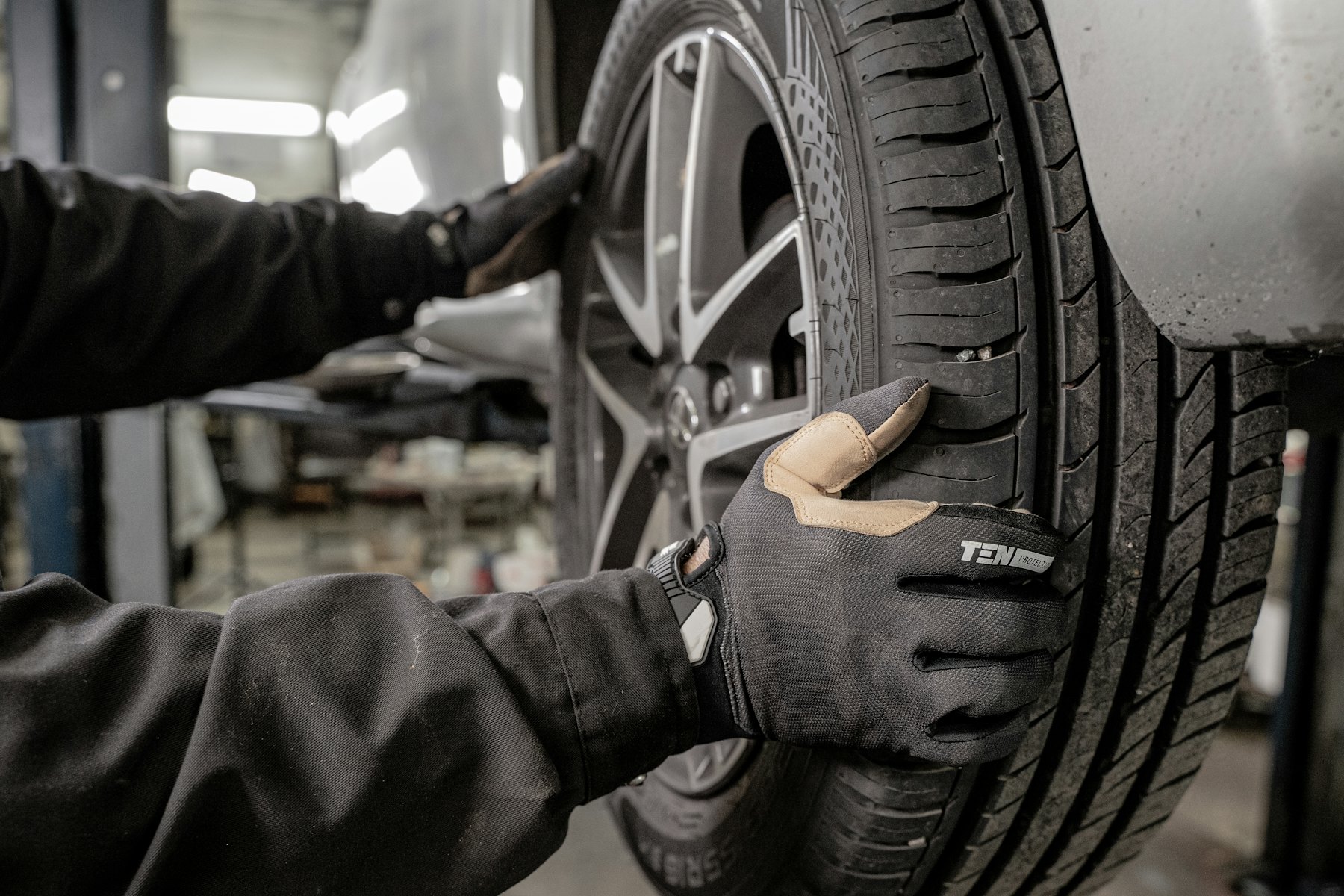
The bed-in drive, and why we do not skip it
New pads do not work properly straight out of the box. Braking works partly because a microscopic layer of pad material transfers onto the face of the disc, and the pad then grips against its own material. Laying that layer down evenly is called bedding in, and it takes about ten minutes of deliberate driving.
- A few gentle stops firstModerate pressure from around thirty miles an hour, letting everything come up to temperature slowly instead of shocking cold parts.
- Then a series of firmer onesHarder stops from higher speed, easing off before the vehicle comes to a standstill, which is what actually drives the transfer layer onto the disc.
- No sitting on the pedal at the endHolding a hot pad still against a hot disc prints a patch of material in one spot. That patch is what people feel later and call a warped rotor.
- A cool-down rollA few minutes of light driving so the heat leaves the assembly evenly rather than soaking into one part of the disc.
On a normal car we do that drive ourselves before we pack up. On a loaded work truck or a trailer we will often walk the driver through it instead, because the vehicle needs to be near its working weight for the bedding to mean anything. Either way you get told what it is and why it matters, because a customer who understands the step is a customer who does not call in a month asking why there is a shudder.
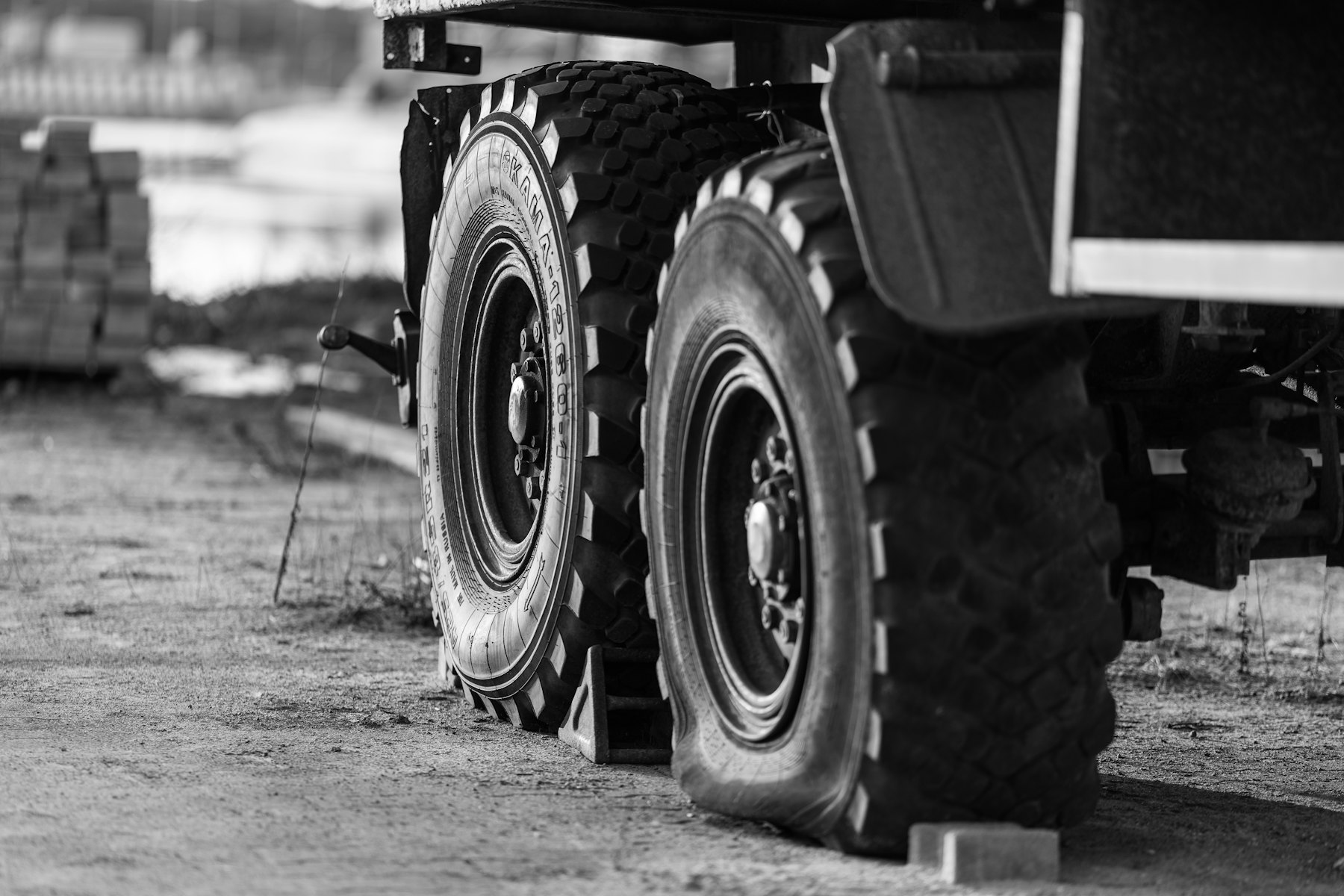
Which pad belongs on which vehicle
The compound matters more than most people are told. A ceramic pad on a commuter sedan is quiet, kind to the wheels and easy on the disc, and it is the right answer for someone doing school runs and a commute down the 29. Put that same ceramic on a three-quarter-ton pickup that tows, and it will glaze the first time it gets properly hot on a descent.
A work truck wants a semi-metallic compound: noisier cold, harder on the disc, and far more stable when the temperature climbs and stays there. Fleet vans that spend all day stopping and starting are somewhere in between, and the sensible choice there is usually whatever holds up to a hundred stops a shift rather than whatever makes the least dust.
Trailers are their own conversation, because electric brake shoes and discs behave differently again and the controller settings matter as much as the friction material. If you are running a trailer regularly, it is worth having the brakes and the wiring looked at as one system rather than waiting for a panic stop to reveal which axle is doing the work.
Ended up using him for my entire fleet.
Jamall Robinson, Google review
What tends to come up during a pad job
Pads rarely wear out alone. The measurement usually turns up one or two of these, and it is cheaper to hear about them while the wheel is already off.
Brake rotor replacement
If the disc is below its stamped minimum thickness or deeply scored, new pads on it will never settle.
Brake caliper replacement
Uneven pad wear across one wheel almost always traces back to a piston or a slide pin that has stopped moving.
Brake fluid flush
Fluid pulls in moisture over the years, which drops its boiling point right when a long descent needs it most.
Mobile brake repair
The wider picture: hoses, hydraulics, air brakes and everything else we handle at your location.
What people ask about pads
Anything not covered here is faster asked out loud. Somebody picks up at any hour.
How do I know whether I need pads yet?
Squealing at low speed is the wear indicator doing its job, and a gritty scraping sound means the material is gone and the backing plate is touching the disc. Before either of those, the honest answer is that you cannot tell without a wheel off and a gauge on the pad. We measure first and tell you the number, which quite often means nothing needs doing yet.
Do I have to replace the discs at the same time?
Not automatically. A disc that is still comfortably above its minimum thickness, with an even surface and no lip at the edge, will take a new set of pads perfectly well. What forces a disc change is thickness below the figure stamped on it, deep scoring you can catch a fingernail in, or cracking. We measure and show you rather than selling the pair by reflex.
Can you do this at my work while I am inside?
Yes, and a lot of our pad work happens in an office lot or a warehouse yard during the day. We need the vehicle on reasonably level ground with room to get a jack under it and swing a wheel off. Leave the key with someone if you cannot step out, and we will let you know when the bed-in drive is done.
Are your pads the same as what a dealer fits?
We fit known brands appropriate to the vehicle, and on most cars that means the same manufacturers who supply the parts sold in a dealer box. The compound gets chosen for what the vehicle actually does rather than what is cheapest in the catalog, and we will tell you which one is going on before we fit it.
Why did my last brake job start squealing after a month?
Nine times out of ten the hardware was reused. Corroded clips pinch the pad so it never fully releases, and dry slide pins let the caliper hang crooked. Both make noise and both chew through friction material at an angle. New clips and properly greased pins are part of the job here rather than an upsell.
Is there a charge just for coming out to look?
No minimum gets tacked onto the visit. You hear what it’ll cost before the truck leaves, and that figure covers the trip and the work together. The whole reason this business exists is that Patrick spent years watching shops quote one number and hand over a different one at the counter.
Worn pads only get more expensive.
Once the friction material is gone, the backing plate starts cutting the disc, and a pad job turns into pads and rotors. Call while it is still squealing rather than scraping. Say what the vehicle is and what it does, and you will have a number and a window before the call ends.