
Treat the oil as a part. It is the one doing the work.
Every pump, valve and cylinder on the machine is separated from metal-on-metal contact by a film of fluid. Look after that film and components last. Ignore it and they fail early, expensively, and in a way that looks like bad luck.
- Open 24 hours, seven days
- No hourly minimum
- What it’ll cost before the truck leaves
- Done where the machine sits
The oil is doing more jobs than you think
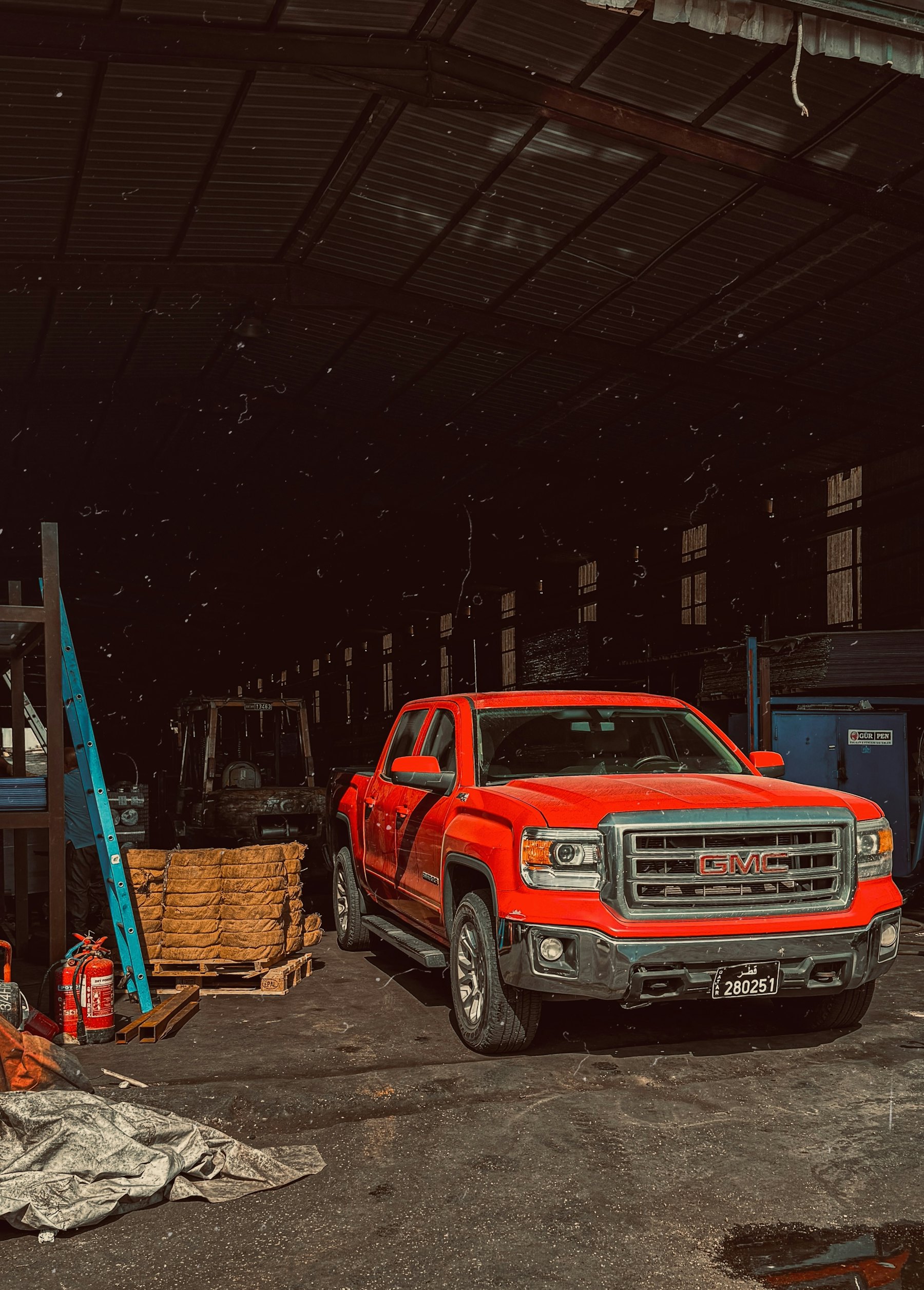
Most owners file hydraulic oil next to windshield washer fluid: a liquid, a level, something you add when it gets low. That habit is behind a large share of the component failures we are called out to. Hydraulic fluid is not a supply item sitting inside the machine. It is a working part of every circuit, and it is the only part that touches all the others.
Count what it is being asked to do at once. It carries the force from the pump to the cylinder. It lubricates gears, vanes, pistons and spools that would otherwise weld themselves together. It carries heat away from the places that generate it and drops it off at the cooler. It protects steel from rust, and it keeps the additives in suspension that let it go on doing all of that. A single fluid, four or five jobs, no rest.
When fluid degrades it does not fail in one dramatic moment. It quietly stops being good at each of those jobs in turn, and every component in the system starts living a harder life. By the time a pump is noisy or a valve is sticking, the oil has usually been telling the story for a while. Nobody was reading it.
Handy when you callThe make and model, roughly how many hours are on it, and the last time anyone changed the filters. Even a rough answer helps us load correctly.
Your figureYou get a price before work starts covering fluid, filters and the visit, and nothing gets added to it afterward for the drive.
If something already failedSay so on the phone. A system that has had a component come apart internally needs flushing, not just fresh oil. Give us the background.
Dirt you cannot see is the one that kills
The particles that destroy hydraulic components are not the ones you would notice on a dipstick. They are far below what an eye can resolve, and that is exactly why they do the damage. A pump’s internal clearances and a valve spool’s fit in its bore are measured in fractions of a thousandth of an inch, and a particle sized to match slides right into that gap and grinds.
What makes it compounding rather than merely bad is that every particle creates more particles. Metal scraped off a gear face or a bore becomes new contamination circulating at high speed toward the next component. A system that has been running dirty for a season is not just carrying the dirt it took in. It is carrying everything it has manufactured since.
The routes in are ordinary. Grit rides in past a rod seal on a cylinder working in mud. It falls into an open port during a repair that was done in a hurry. It arrives already in the oil, out of a container that was left open in a dusty shop. This is why we handle fluid the way we do: clean containers, ports capped while work is open, and a filter change treated as the point of the visit rather than an afterthought.
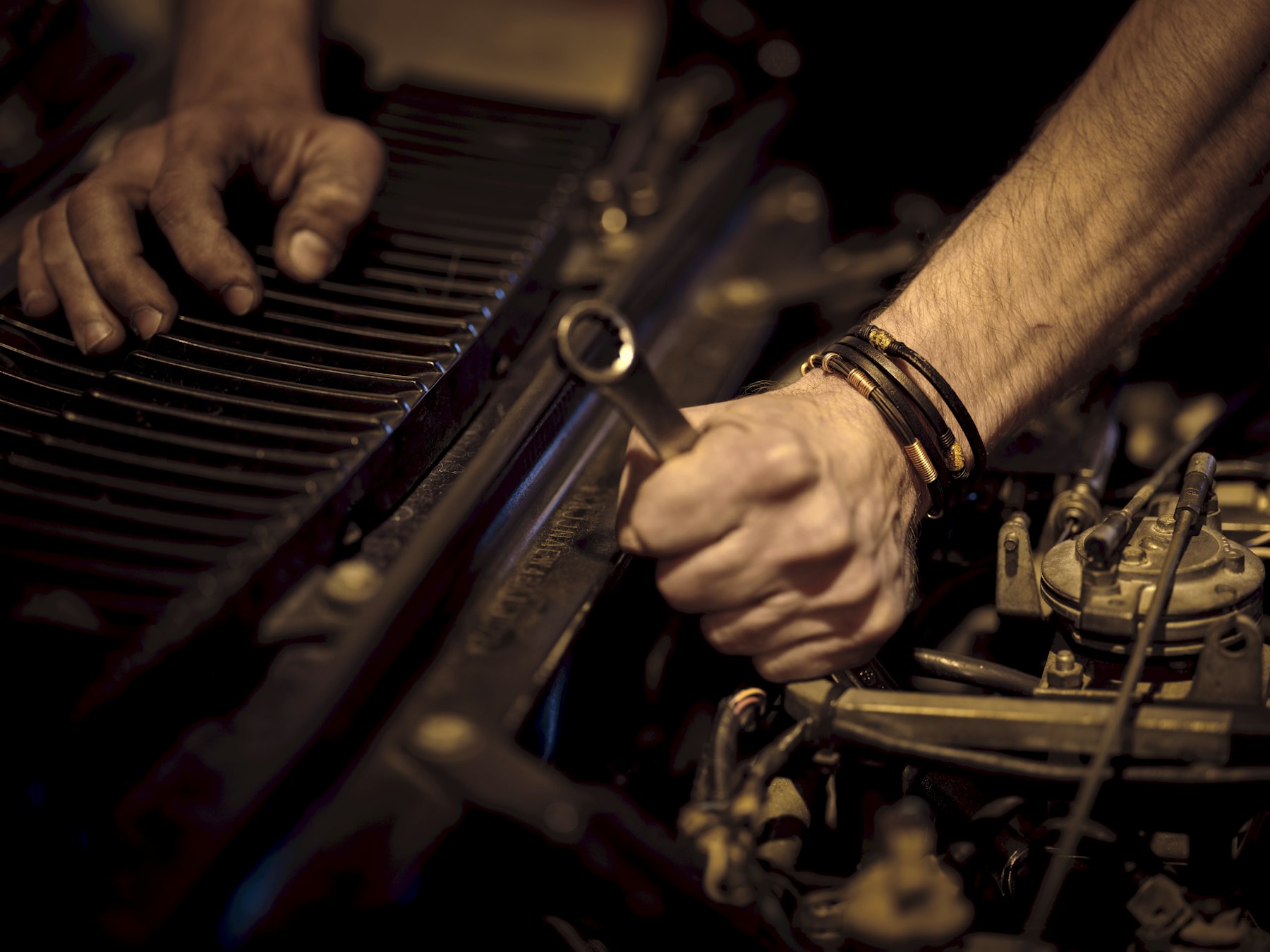
Clean oil and a filter on schedule is the cheapest thing anyone ever does to a machine. I have never once been called out to a system that failed because the fluid was too clean.
Patrick Freeman, owner

Topping off with whatever is on the shelf
A machine is down a couple of gallons, there is a drum of something hydraulic in the corner, and the work needs doing today. It is the most understandable shortcut in the yard and it causes problems that show up months later, long after anyone connects the two.
Hydraulic fluids are not interchangeable because they are not simply oil. Each is a base oil carrying a package of additives: anti-wear chemistry, rust inhibitors, anti-foam agents, and on many machines friction modifiers that the wet brakes and clutches depend on. Mix two packages that were never designed to meet and the additives can react with each other, drop out of suspension, or simply cancel out. You end up with a fluid thinner or thicker than specified, one that foams, or one whose anti-wear protection is no longer there when a pump needs it.
The other half of the problem is the seals. Elastomers are chosen to suit a particular fluid chemistry. Put the wrong one in and seals can swell, shrink or harden, which is how a machine develops leaks at half a dozen fittings at once with no mechanical cause. On many tractors and loaders the same fluid also serves the transmission and the brakes, so the wrong choice reaches well past the hydraulics. We go by what the manufacturer specifies for that machine, and if nobody knows what went in last, that is itself an argument for changing the lot rather than adding to it.
What a proper fluid visit includes
More than draining and refilling. The point is to leave the system cleaner than the oil alone would make it.
Fluid change to specification
The correct fluid for that machine, brought with us, with the old oil taken away. Quantity confirmed against the reservoir rather than guessed.
Filters as the actual job
Return, pressure, suction and case drain elements where fitted. The old one gets opened and looked at, because it holds the evidence.
Sampling before and after
A sample drawn properly tells you what is wearing and how dirty the system really is. Taken again later, it shows whether the trend is going the right way.
Flushing after a failure
When a component has come apart internally, the debris is everywhere. New parts installed into that system get fed the wreckage that killed the last set.
Reading the system’s condition
Fluid findings often point at something mechanical. Pressure and flow testing turns that suspicion into a measurement.
Folded into scheduled service
Simplest when it rides along with the rest of the machine’s service interval, in one visit to your yard or site.
Fluid questions owners actually ask
Not sure what your machine takes or when it was last done? Call it in. Somebody picks up around the clock.
How often should hydraulic fluid be changed?
Go by the manufacturer’s hour interval as the starting point, then adjust for how the machine lives. Equipment working in dust, heat, or a heavy duty cycle uses its fluid up faster than the same model doing light work in clean conditions. Filters usually come due more frequently than the oil itself. If a machine is worked hard enough that intervals are genuinely a guess, sampling settles it and often saves money by extending them.
Can I top off with a different hydraulic oil just this once?
It is the shortcut we most often find behind a puzzling failure. Different fluids carry different additive packages, and mixing them can make the additives drop out or work against each other, so you lose anti-wear protection or gain foaming. Some fluids also affect seals differently, which shows up as leaks at several fittings at once. If the machine is low right now and you have no choice, tell us what went in so it can be sorted before it causes damage.
Is a fluid sample worth paying for on a small fleet?
It usually pays for itself on any machine expensive enough to worry about. A sample reports wear metals, water content and how dirty the oil actually is, which tells you whether a component is quietly wearing long before it makes a noise. Sampled repeatedly, the trend is the useful part. For an owner deciding whether an interval is right for their conditions, it turns a guess into a number.
My oil looks cloudy. How serious is that?
Cloudy or milky oil means water, and it is worth acting on rather than watching. Water strips the fluid of its ability to carry a load, corrodes the parts it should be protecting, and encourages the additive package to break down. The fluid needs changing, but more importantly the way water is getting in has to be found first, whether that is a breather, a cap, a cooler, or pressure washing aimed somewhere it should not be.
Can this be done at my yard or out on a job site?
Yes, that is how nearly all of it gets done. The truck carries fluid, filters, pumps and containment, and the old oil leaves with us for proper disposal. Working at your site means the machine is not losing a day traveling, and it lets us look at the system in the conditions it actually works in rather than cold in somebody’s shop.
A pump just failed on my machine. Is new fluid enough?
No, and this is the one worth being firm about. When a pump or motor comes apart internally, it distributes metal through every line, the cooler, the reservoir and the valve bank. Draining and refilling leaves most of that debris exactly where it is, waiting for the replacement component. The system needs flushing and the filters changing again shortly after the repair, otherwise the new part is on a short clock.
Book the fluid before it books you.
Tell us the machine, the hours and what you know about its service history. We will bring the right fluid and filters, and you will know the price and the window before we set off.
HoursMonday to Sunday, 24 hours
Based inAmerican Canyon, CA
Often booked withPump work, valve repair and equipment repair. Past jobs are in the gallery.